
What's Happening?
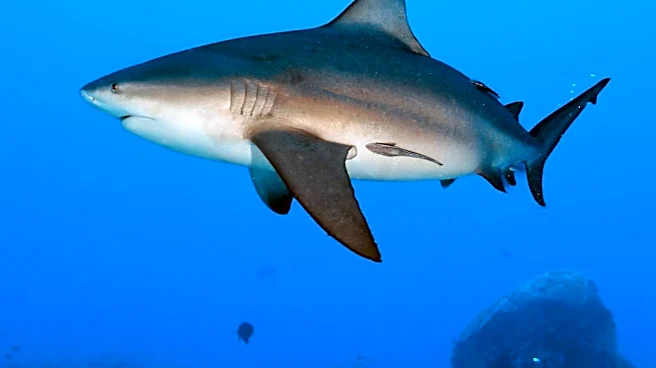
Coco Beach in Playa del Coco, Costa Rica, is a prominent location for advanced bull shark diving, with the prime season running from mid-May to early November. This activity is specifically designed for divers
holding an Advanced Open Water certification due to the demanding conditions and deep dive profiles involved. While dive operators cannot guarantee shark sightings, the odds are favorable during this period. Reputable dive shops meticulously vet participants to ensure they are adequately prepared for the experience. Prospective divers are advised to arrange their trips in advance, as many excursions require a minimum number of participants to proceed. Beyond bull shark diving, the region also offers year-round diving opportunities at the Catalina Islands, known for encounters with manta rays, reef sharks, and various fish species, particularly between November and April.
Why It's Important?
This specialized diving tourism contributes significantly to Costa Rica's ecotourism sector, attracting a niche market of experienced divers seeking unique marine encounters. The requirement for advanced certification highlights a commitment to diver safety and environmental responsibility, which can enhance the destination's reputation. Economically, these activities support local dive shops, guides, and related hospitality services in Playa del Coco. The seasonal nature of bull shark diving also influences local tourism patterns, creating peak periods for businesses. The emphasis on responsible diving practices, such as vetting divers and acknowledging the unpredictability of wildlife sightings, helps manage expectations and promotes sustainable interaction with marine life, which is crucial for the long-term viability of such attractions.
What's Next?
As the bull shark diving season progresses through early November, dive operators will continue to facilitate these advanced excursions, subject to minimum participant numbers and favorable ocean conditions. The transition into the dry season, from November to April, will see a shift in focus towards the Catalina Islands, where divers can anticipate increased sightings of giant Pacific manta rays. Local tourism boards and dive centers will likely continue to promote these distinct seasonal offerings to maintain a steady flow of visitors. Efforts may also be directed towards enhancing safety protocols and environmental education to ensure the sustainability of these popular diving experiences and protect the marine ecosystems that support them.
Beyond the Headlines
The existence of specialized activities like bull shark diving underscores a broader trend in adventure tourism, where travelers seek immersive and challenging experiences that connect them with nature. This trend often brings both economic benefits and ecological responsibilities. The need for advanced certification for bull shark diving reflects a growing awareness of the importance of skill and preparedness in potentially high-risk natural environments. Furthermore, the reliance on natural cycles for wildlife sightings highlights the delicate balance between human activity and marine ecosystems. This type of tourism can foster a deeper appreciation for marine conservation among participants, potentially leading to increased support for protective measures for shark populations and their habitats.