



What's Happening?
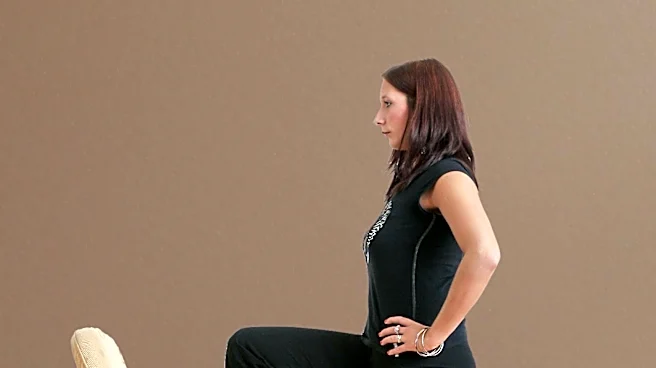
A new exercise regimen focusing on chair-based movements is being recommended for individuals over 65 to rebuild leg strength. This approach emphasizes controlled exercises that provide support and a clear target, making them accessible and repeatable
at home. The routine includes four key exercises: Sit-to-Stand, Chair-Supported Reverse Lunge, Seated Leg Extension with Pause, and Chair-Supported Calf Raise. These exercises target various leg muscles, including quadriceps, glutes, hamstrings, and calves, and are designed to improve balance, mobility, and overall independence. The program suggests performing these exercises two to four times per week, focusing on slow, controlled movements and progressive overload.
Why It's Important?
Maintaining leg strength is crucial for seniors over 65, as it directly impacts their ability to perform daily activities such as standing, walking, and climbing stairs, thereby supporting their independence and quality of life. This chair-based exercise program offers a practical and less intimidating alternative to traditional weightlifting, especially for those returning from a layoff or managing previous injuries. By providing a stable and controlled environment, these exercises help rebuild confidence and strength without excessive strain. The emphasis on consistency and gradual progression makes this approach a sustainable method for improving physical resilience and reducing the risk of falls among the elderly population, addressing a significant public health concern.
What's Next?
The recommendation of these chair exercises is likely to encourage more seniors and healthcare providers to adopt accessible home-based fitness routines. Fitness and healthcare professionals may integrate these types of exercises into rehabilitation programs and senior wellness initiatives. Further research could explore the long-term benefits and adherence rates of such programs, potentially leading to wider adoption and policy recommendations for senior health. Educational campaigns might also be developed to inform the elderly population about the benefits and proper execution of these exercises, promoting a proactive approach to maintaining physical health and independence.
Beyond the Headlines
The focus on chair exercises for seniors highlights a broader shift in fitness philosophy towards inclusive and adaptive exercise methods. It acknowledges that traditional gym settings or high-impact activities may not be suitable for all demographics, particularly older adults. This approach underscores the importance of functional strength training that directly translates to improved daily living activities, rather than solely focusing on muscle mass or athletic performance. Ethically, it promotes accessibility and empowers seniors to take control of their physical well-being, fostering a sense of autonomy and reducing reliance on external assistance. This trend could lead to more innovative and tailored fitness solutions for diverse populations with specific needs.