


What's Happening?
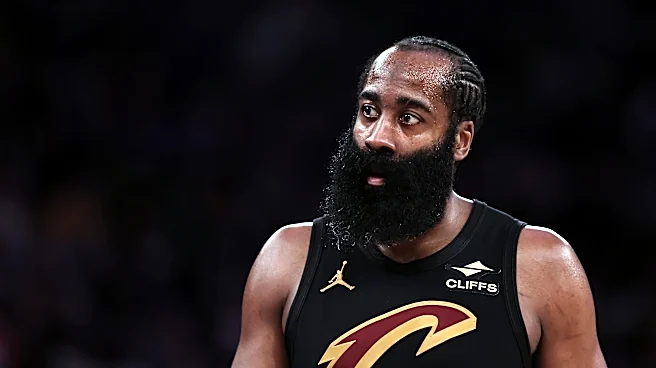
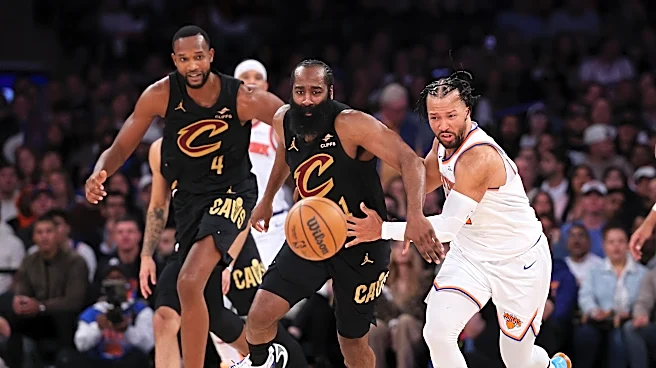
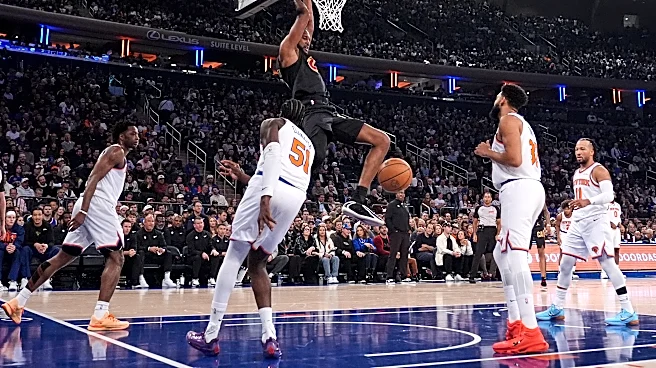
During the New York Knicks' recent loss to the Cleveland Cavaliers, ESPN commentator Mike Breen playfully jabbed Knicks superfan Spike Lee and analyst Richard Jefferson. As celebrities were being shown courtside before the game, Breen commented on Spike Lee not
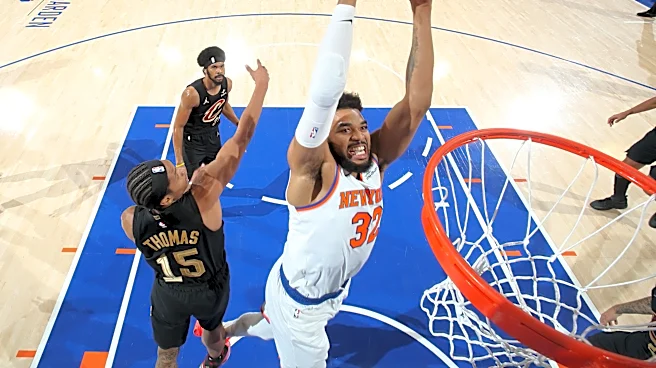
wearing his usual hat, asking, 'He always wears a hat.' Richard Jefferson then interjected, 'You don't like his bald head? I think he looks great.' Breen quickly recovered, stating, 'We don't discriminate against bald men,' and emphasized 'Clearly,' playfully taking a shot at Jefferson, who is also bald. Spike Lee was among several celebrities, including Tracy Morgan, Woody Harrelson, and Paul Rudd, attending the game where the Knicks' four-game winning streak was snapped by an eight-point loss to the Cavaliers.
Why It's Important?
This lighthearted exchange, while seemingly trivial, highlights the intersection of sports, celebrity culture, and media commentary in the U.S. It demonstrates how personal interactions and playful banter among public figures can become part of the broader sports narrative, engaging fans beyond the game itself. For sports broadcasting, such moments add a human element and entertainment value, fostering a more dynamic and relatable viewing experience. It also underscores the significant presence of celebrities like Spike Lee at major sporting events, reinforcing their role as cultural icons whose attendance and reactions are often as newsworthy as the game's performance. The incident, though minor, contributes to the ongoing narrative of fan engagement and the personalities surrounding professional sports.
Beyond the Headlines
The playful jab by Mike Breen, and the subsequent interaction, reflects a broader trend in sports media where commentators are increasingly encouraged to show personality and engage in informal banter. This shift moves beyond purely analytical commentary to include more entertainment-focused elements, making broadcasts more appealing to a wider audience. It also subtly touches on societal perceptions of appearance and humor, demonstrating how public figures navigate such topics in a live, unscripted environment. The incident, while humorous, also serves as a reminder of the constant scrutiny public figures face, even in casual settings, and how their personal attributes can become subjects of public discussion, albeit in a lighthearted manner in this instance.