






What's Happening?
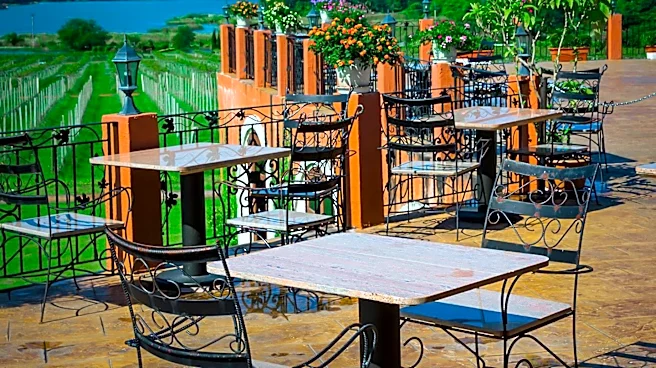
Grandview, Washington, a quiet city in the Yakima Valley, is gaining recognition as a prime location for wine tasting and enjoying scenic mountain views. The city, platted in 1906, was named for its clear views of Mount Rainier, Mount Adams, and Snipes
Mountain, which remain prominent features of its landscape. Located in the narrow band of latitude ideal for wine grape cultivation, Grandview is home to Yakima Valley Vintners, a teaching winery operated by Yakima Valley College's Vineyard and Winery Technology program. Students in this program are responsible for the entire winemaking process, from crushing to bottling, and serve their creations in a public tasting room. The city's downtown features historic brick buildings, and local dining options include the 10-4 Cafe and Taqueria Tepeque. The Grandview Museum also offers a glimpse into local history with exhibits such as a 19th-century side saddle and a vintage Kiblinger automobile.
Why It's Important?
The emergence of Grandview as a wine tourism destination highlights the growing diversification of the U.S. wine industry beyond traditional regions like California's Napa Valley and Oregon's Willamette Valley. This development provides economic opportunities for the Yakima Valley, attracting tourists and supporting local businesses, including wineries, restaurants, and historical sites. The unique aspect of a student-run teaching winery, Yakima Valley Vintners, offers a distinct educational and experiential draw, potentially fostering innovation and skilled labor within the regional wine sector. This model not only produces wine but also cultivates future professionals, contributing to the long-term sustainability and reputation of Washington's wine industry. The focus on local history and community engagement further enriches the visitor experience, promoting cultural tourism alongside agricultural tourism.
What's Next?
As Grandview continues to develop its wine tourism offerings, it is likely to see increased visitor traffic, particularly from those seeking authentic and less-traveled wine country experiences. The success of Yakima Valley Vintners could inspire similar educational and commercial ventures in other emerging wine regions. Continued promotion of the city's scenic beauty and historical attractions will be crucial for sustained growth. Local businesses may expand to accommodate more tourists, and infrastructure improvements could be considered to enhance accessibility and visitor services. The region's ability to maintain its quiet charm while growing its tourism sector will be a key challenge, requiring careful planning and community involvement to ensure sustainable development.
Beyond the Headlines
Grandview's rise as a wine destination reflects a broader shift in consumer preferences towards authentic, locally sourced, and experiential travel. This trend is not just about wine but about connecting with the story behind the product, the people who make it, and the unique environment it comes from. The involvement of students in the winemaking process adds a layer of educational tourism, appealing to those interested in learning about viticulture and enology. This model could serve as a blueprint for other agricultural regions looking to leverage their local products for economic development and educational enrichment. Furthermore, the preservation of historic downtown areas and local museums in conjunction with new tourism ventures demonstrates a holistic approach to community development, balancing economic growth with cultural heritage.