



What's Happening?
Manchester United Co-Chairman Avram Glazer has publicly stated that the club's commercial strength is not dependent on winning silverware. Speaking at Deutsche Bank's Sports Investment Conference in London, Glazer drew parallels between Manchester United and
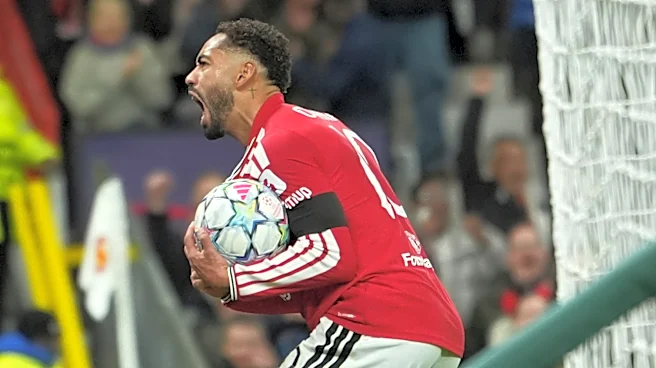
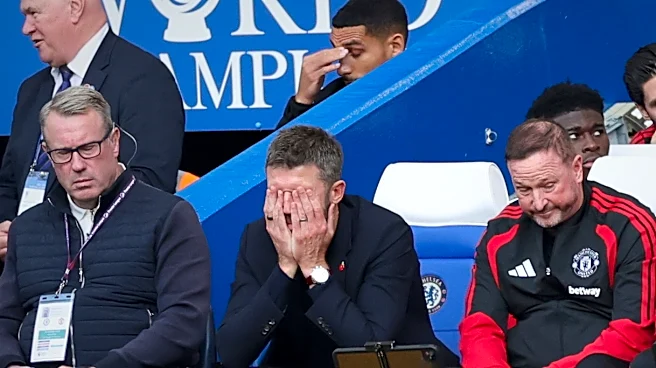
American sports franchises like the New York Yankees and Dallas Cowboys, suggesting these organizations maintain a global profile despite varying on-field achievements. This comment comes as manager Michael Carrick faces intense scrutiny due to the team's poor performance, currently sitting 17th in the Premier League. The club recently secured a 3-2 comeback victory against Roma in the Champions League, providing some temporary relief after a nine-game winless streak. However, fan discontent remains high, with protests against the Glazer family's ownership continuing, including the release of green and gold balloons and chants for their removal during recent matches.
Why It's Important?
Glazer's remarks are significant as they highlight the ownership's perspective on the club's value, potentially prioritizing commercial viability over sporting success. This stance is likely to further alienate a fanbase already critical of the Glazer family's leveraged buyout in 2005, which burdened the club with substantial debt. The ongoing protests, symbolized by the green and gold scarves representing the club's original colors, underscore a deep-seated frustration among supporters who believe the club's financial health and on-field performance have suffered under the current ownership model. The comparison to American sports teams, which often operate with different financial structures and fan expectations than European football clubs, may also be perceived negatively by traditional football supporters who value sporting integrity and competitive success above all else.
What's Next?
The immediate future for Manchester United involves a crucial Premier League match against Aston Villa, which could significantly impact Michael Carrick's managerial position ahead of the international break. While there is reported support for Carrick within the club's hierarchy, the ongoing poor results and fan pressure could force a decision. The club's director of football, Jason Wilcox, and head of football operations, Omar Berrada, are reportedly seeking a permanent managerial appointment if Carrick is dismissed, moving away from the recent pattern of interim managers. This suggests a long-term view for the club's leadership, though the immediate challenge remains improving on-field performance and addressing fan dissatisfaction.
Beyond the Headlines
The tension between Manchester United's commercial success and its sporting performance under the Glazer ownership raises broader questions about the evolving nature of football club ownership in the modern era. The club's listing on the New York Stock Exchange since 2012, an anomaly among European clubs, underscores its status as a global brand and a financial asset. However, this commercialization often clashes with the traditional fan-centric model of European football, where success on the pitch is paramount. The ongoing debate over whether a football club should primarily be an investment asset or a community institution is exemplified by Manchester United's situation, with the debt incurred from the leveraged buyout continuing to be a point of contention and a drain on resources that could otherwise be invested in the team.