







What's Happening?
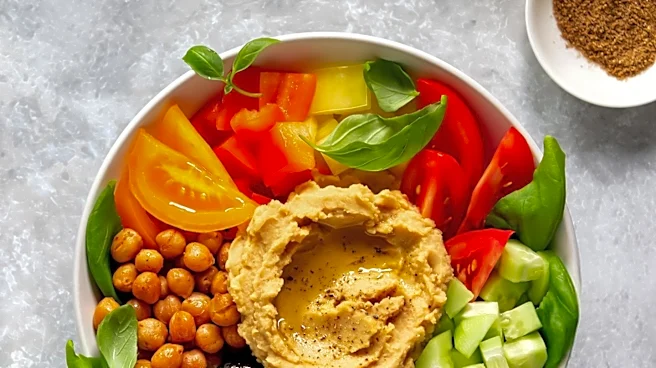
The Mediterranean diet, renowned for its emphasis on fruits, vegetables, whole grains, beans, and seeds, is recognized as one of the most effective eating patterns for supporting gut health. However, experts highlight that the benefits extend beyond just
food. The Mediterranean lifestyle, which includes habits like eating meals with others, savoring food, engaging in mindful movement, and prioritizing rest, also contributes significantly to a healthy gut microbiome. Ashley Oswald, RDN, LD, IFNCP, notes that eating with others fosters connection, reducing stress, which positively impacts digestive health. Amanda Sauceda, M.S., RD, adds that shared meals often lead to more balanced and diverse eating, supporting a varied gut microbiome. Mindful eating, daily physical activity, and adequate sleep are also identified as crucial elements that work synergistically with the diet to improve gut health.
Why It's Important?
This perspective is important for U.S. consumers who often focus solely on dietary components when considering health. By highlighting lifestyle factors, the information encourages a more holistic approach to gut health, which can have broader implications for overall well-being. The emphasis on stress reduction through social eating and mindful practices addresses a common issue in modern American life, where rushed meals and high stress levels are prevalent. Furthermore, promoting daily mindful movement as opposed to structured gym sessions makes physical activity more accessible and sustainable for many. These insights can help individuals integrate gut-healthy practices into their daily routines more effectively, potentially leading to improved digestive function, better mental health, and enhanced immune response, thereby reducing the burden of digestive disorders.
What's Next?
Individuals are encouraged to adopt these Mediterranean lifestyle principles to enhance their gut health. This includes making conscious efforts to eat with others, slow down during meals, incorporate more natural movement throughout the day, and prioritize sufficient rest. These changes are presented as practical and achievable steps that can complement dietary modifications. The advice suggests starting with small, manageable changes, such as eating one meal without distractions or taking a short walk after eating. This gradual approach aims to make the adoption of these habits more sustainable, fostering long-term improvements in gut health and overall quality of life.
Beyond the Headlines
The article subtly critiques modern American lifestyles, characterized by distracted eating, sedentary habits, and insufficient rest, by contrasting them with the Mediterranean approach. This comparison underscores how societal norms and cultural practices can profoundly impact health. The concept of the gut-brain connection is central, explaining how psychological and behavioral factors, such as stress and sleep disruption, directly influence gut bacteria diversity and function. This deeper implication suggests that addressing mental well-being and lifestyle choices is not merely supplementary but integral to achieving optimal physical health, challenging a purely biomedical view of digestive health and advocating for a more integrated approach to wellness.