



What's Happening?
Tony Xu, CEO of DoorDash, has emphasized that while AI coding has significantly boosted productivity, accounting for about two-thirds of the company's code, it alone is insufficient to enhance overall engineering productivity. Xu highlighted that engineers
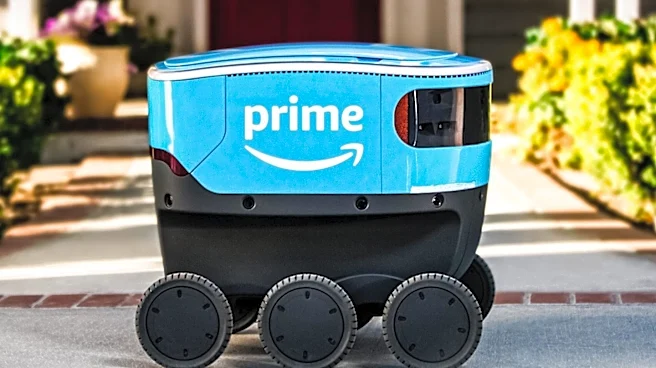
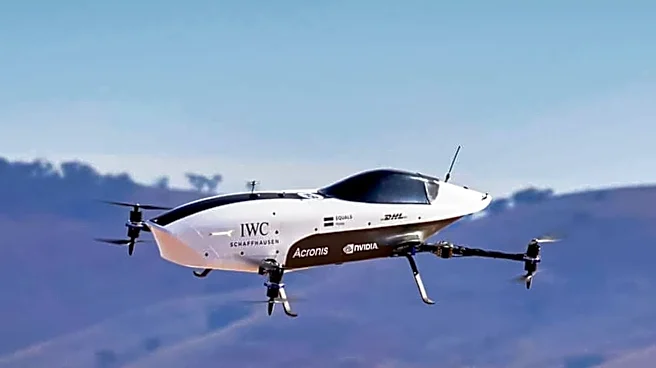
spend a substantial amount of time on activities beyond coding, such as product reviews, design meetings, and cross-functional business alignment, which also require AI integration. He stressed that for comprehensive productivity gains, AI must be embedded across all operational workflows, including physical AI applications like food-preparation robots and autonomous delivery vehicles.
Why It's Important?
The integration of AI into broader operational workflows is crucial for achieving comprehensive productivity gains in tech companies. While AI can automate a significant portion of coding, the real challenge lies in optimizing the entire engineering process, which includes collaboration, design, and business alignment. This approach could lead to more efficient operations and potentially lower costs, benefiting companies like DoorDash in the competitive tech industry. However, without a holistic integration of AI, companies may not fully realize the productivity improvements they anticipate.
What's Next?
DoorDash and other tech companies are likely to continue exploring ways to integrate AI into various aspects of their operations. This could involve developing new AI applications for physical operations, such as robotics and autonomous vehicles, to further enhance productivity. As the industry evolves, companies that successfully implement AI across all workflows may gain a competitive edge, while those that focus solely on coding automation might see limited benefits.