





What's Happening?
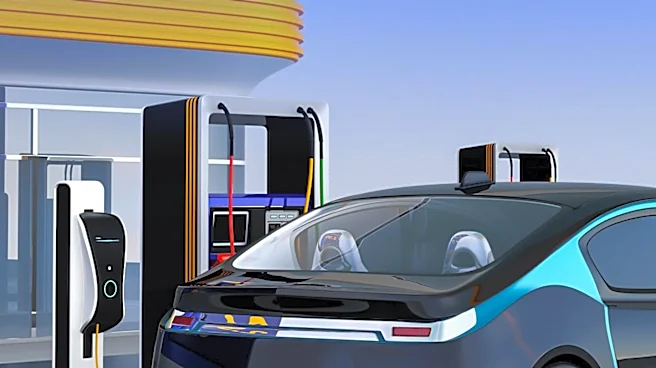
Revel, an electric mobility company known for its urban fast-charging hubs, is merging with EQT-backed Voltera, a developer of large-scale charging facilities for commercial fleets and autonomous vehicles. This merger will create one of America's largest
dedicated EV charging infrastructure platforms, primarily focused on serving fleets, ride-hailing services, and robotaxis. The combined entity will operate under the Voltera brand, with Revel CEO Frank Reig leading the new company. EQT will become the majority owner, while Global Infrastructure Partners (GIP), a BlackRock affiliate and Revel's lead investor, will retain a minority stake. The new platform is projected to include over 1,000 charging stalls operational or under development across 11 major U.S. metropolitan markets, establishing one of the largest fleet-focused charging footprints in the country.
Why It's Important?
This merger signifies a major consolidation within the U.S. electric vehicle charging industry, addressing a critical need for scalable and robust infrastructure to support the accelerating adoption of EVs, particularly for commercial and autonomous applications. The combined strengths of Revel's urban charging expertise and Voltera's focus on large-scale fleet facilities will provide a comprehensive solution for businesses transitioning to electric vehicles. This is crucial for commercial fleet electrification, ride-hailing electrification mandates, and the expansion of autonomous vehicles, all of which require high utilization rates, fast charging capabilities, and reliable uptime. By offering dedicated infrastructure services, the new Voltera aims to alleviate the significant capital burden on fleet operators, thereby accelerating the shift towards electric transportation and contributing to corporate sustainability goals and reduced operating costs.
What's Next?
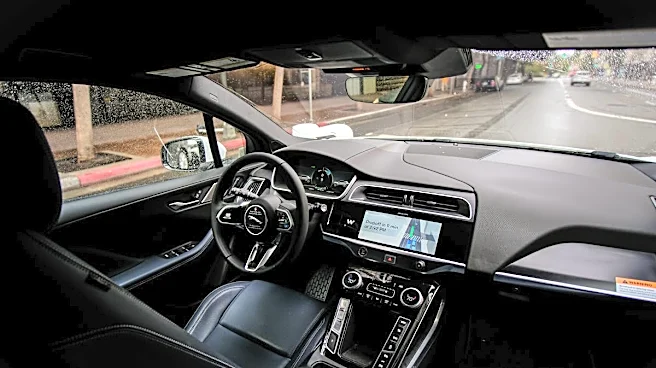
The newly merged Voltera platform is strategically positioning itself for the next generation of transportation services, with a strong emphasis on robotaxi fleets, autonomous ride-hailing vehicles, and autonomous delivery fleets. Industry experts anticipate a substantial increase in robotaxi deployment in the coming years, which will generate immense demand for high-capacity charging infrastructure. The company also plans to explore adjacent opportunities, including battery energy storage systems, energy management solutions, fleet support services, grid integration technologies, and advanced software platforms. These potential ventures could create additional revenue streams and further support broader electrification goals. The continued involvement of BlackRock-affiliated investors suggests ongoing confidence in the long-term growth potential of fleet charging infrastructure, indicating further strategic investments and expansions in the future.
Beyond the Headlines
This merger highlights a fundamental shift in the EV charging industry, moving beyond individual consumer charging to purpose-built infrastructure for commercial and autonomous transportation networks. This strategic pivot reflects the understanding that the future of mobility will heavily rely on fleet operations and autonomous technologies, which have distinct and more demanding charging requirements than individual vehicles. The consolidation also underscores the increasing importance of financial backing from major investment firms like EQT and BlackRock, signaling a mature and capital-intensive phase for EV infrastructure development. The success of this combined entity could set a precedent for how large-scale, specialized EV charging networks are developed and managed, influencing policy, urban planning, and the overall pace of electrification in the U.S. and potentially globally.