





What's Happening?
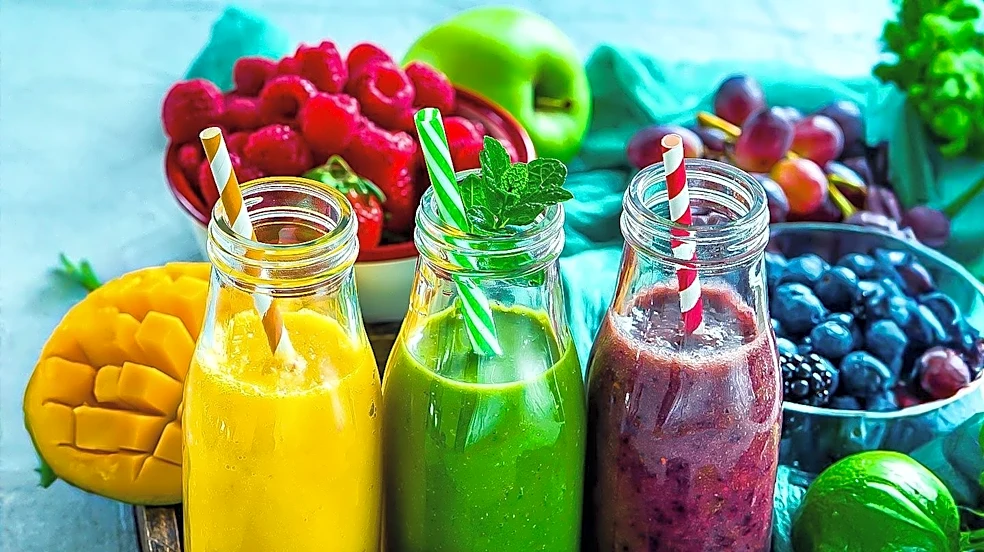
The North American market is experiencing a significant increase in demand for premium non-alcoholic beverages. This trend is primarily fueled by evolving lifestyle choices that prioritize health-conscious consumption and mindful drinking. Innovative
domestic startups and agile craft beverage producers are leading this segment by offering sophisticated, botanical-infused alternatives to traditional alcoholic drinks. This shift reflects a broader consumer preference for beverages that align with wellness goals without compromising on taste or complexity. The market expansion is also observed globally, with Europe showing a culture of moderation, Asia Pacific driven by rising wellness awareness among younger demographics, and other regions influenced by growing health consciousness and religious practices favoring non-alcoholic lifestyles. Major beverage companies and artisanal producers are actively competing to capture these evolving consumer tastes.
Why It's Important?
This surge in the premium non-alcoholic drinks market signifies a substantial shift in consumer behavior and presents significant opportunities and challenges for the U.S. beverage industry. For consumers, it offers a wider array of sophisticated choices that support healthier lifestyles, potentially leading to reduced alcohol consumption and improved public health outcomes. For businesses, it opens up a lucrative new market segment, encouraging innovation in product development, marketing, and distribution. Established alcohol companies may need to adapt by expanding their non-alcoholic portfolios, while startups can find fertile ground for growth. The trend also impacts related industries, such as hospitality and retail, which must adjust their offerings to meet this growing demand. The emphasis on botanical infusions and sophisticated flavors suggests a move towards more artisanal and high-quality non-alcoholic options, elevating the perception of these beverages.
What's Next?
The premium non-alcoholic drinks market is expected to continue its rapid expansion, with ongoing innovation in product development and flavor profiles. Consumers can anticipate a greater variety of sophisticated non-alcoholic spirits, beers, and wines becoming more widely available in retail and hospitality settings. Beverage companies will likely invest further in research and development to create unique formulations that appeal to discerning palates. Marketing efforts will increasingly focus on the health and wellness benefits, as well as the social inclusivity, of these beverages. Regulatory bodies may also begin to address labeling standards and health claims for non-alcoholic products as the market matures. Furthermore, as this trend gains momentum, there could be a ripple effect on social norms surrounding drinking, potentially leading to a more inclusive and diverse beverage culture.
Beyond the Headlines
Beyond the immediate market trends, the rise of conscious drinking movements reflects deeper societal shifts towards holistic wellness and mindful consumption. This movement challenges traditional drinking culture by offering alternatives that prioritize well-being without sacrificing social enjoyment. It also highlights a growing consumer demand for transparency and quality in ingredients, pushing manufacturers to source sustainable and high-quality botanicals. The ethical dimension of this trend includes promoting responsible consumption and providing options for individuals who choose not to consume alcohol for health, religious, or personal reasons. Long-term, this could lead to a redefinition of social gatherings and celebrations, where non-alcoholic options are not just alternatives but celebrated choices, fostering a more inclusive and health-oriented social environment.