







What's Happening?
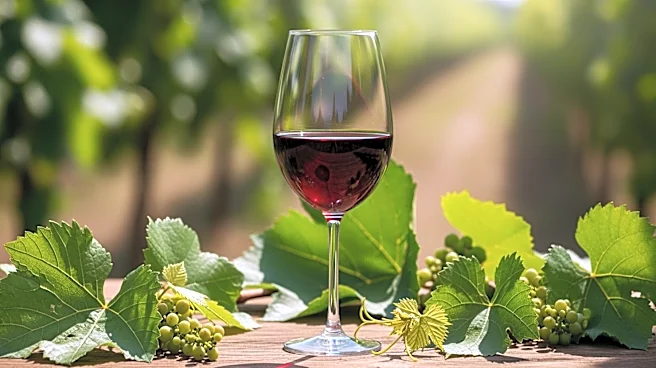
Treasury Wine Estates (TWE), a major player in the wine industry, is actively pursuing sustainability initiatives to address environmental challenges. Caitlin Hodes, the sustainability manager at TWE, is spearheading efforts to reduce emissions, particularly
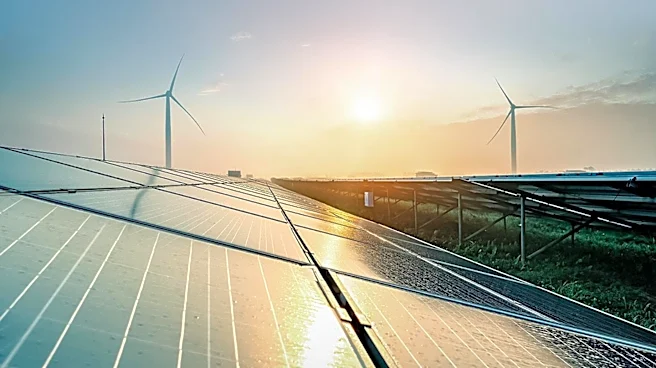
focusing on the significant impact of glass bottles, which account for about 20% of total emissions in the wine industry. The company has implemented glass weight reduction strategies, achieving a 14% to 27% decrease in glass weight per bottle across its Bold Brands portfolio. Additionally, TWE is exploring alternative packaging solutions, such as wine kegs, which have been successfully integrated at Sterling Vineyards in Napa Valley. These initiatives are part of a broader strategy that includes solar power installations and biodiversity projects across TWE's 6,000 vineyard acres in California.
Why It's Important?
The sustainability efforts by Treasury Wine Estates are crucial in addressing the environmental impact of the wine industry, which is particularly vulnerable to climate change and extreme weather events. By reducing glass usage and exploring alternative packaging, TWE is not only cutting emissions but also setting a precedent for other wineries to follow. This shift towards sustainable practices can lead to significant environmental benefits, such as reduced carbon footprint and conservation of natural resources. Moreover, these initiatives align with consumer demand for environmentally responsible products, potentially enhancing TWE's market position and brand reputation. The company's commitment to sustainability also supports broader industry goals of achieving net zero emissions and adapting to climate risks.
What's Next?
Treasury Wine Estates plans to continue its sustainability journey by further reducing emissions and expanding its use of renewable energy. The company aims to achieve net zero emissions by 2030, focusing on eliminating Scope 1 emissions through partnerships with emerging technology providers. TWE is also working with scientists from UC Davis to understand and mitigate long-term climate risks, such as extreme heat and wildfires, which threaten vineyards. As TWE progresses, it will likely influence other wineries to adopt similar practices, contributing to a more sustainable wine industry. The success of these initiatives could lead to increased consumer awareness and demand for sustainable wine products, encouraging further innovation in the sector.