

What's Happening?
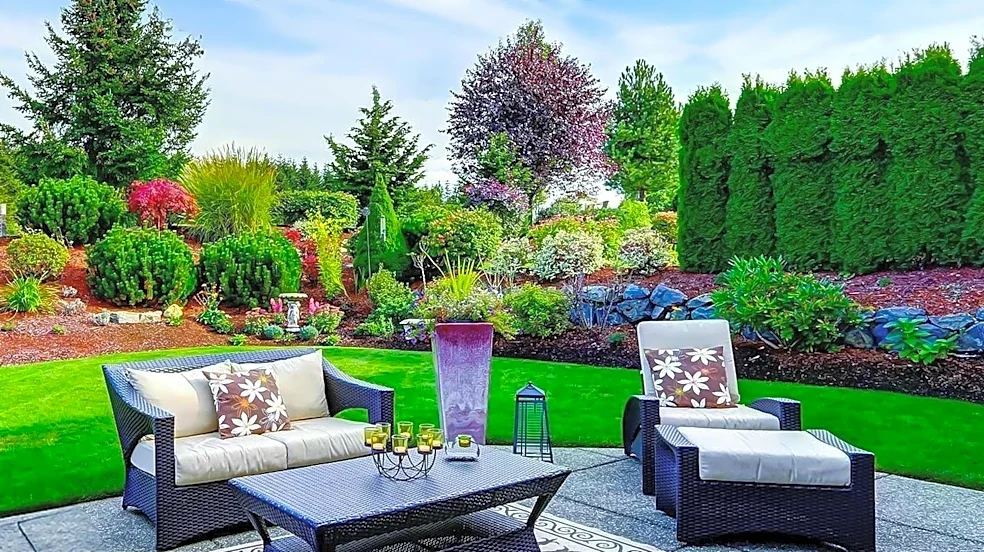
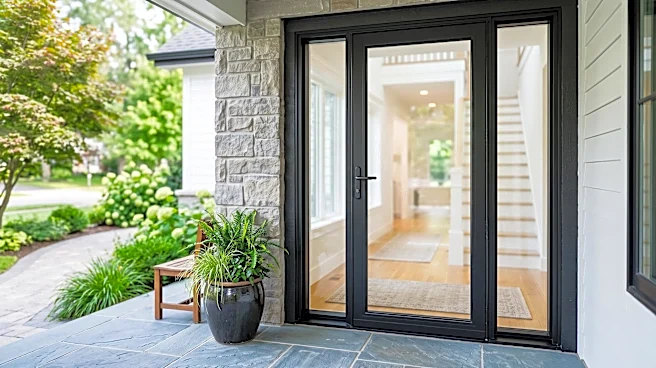
Homeowners are increasingly transforming their outdoor areas into essential, year-round living spaces, moving beyond their traditional use solely during warm weather. This shift is driven by a desire to make patios and decks as comfortable and functional
as indoor rooms. The focus is on creating versatile outdoor rooms suitable for various activities, including morning coffee, family dinners, remote work, and weekend gatherings. Key elements in this transformation include the installation of appropriate patio covers, such as louvered pergolas for flexible shade, and glass roofs or glassrooms to extend usability across seasons. Additionally, patio enclosures and blinds are being utilized to provide privacy and weather protection, ensuring these spaces can be enjoyed regardless of external conditions. The design philosophy centers on individual lifestyles, with solutions tailored to specific needs, whether for peaceful retreats, entertaining guests, or creating resort-like poolside lounges. This trend emphasizes maximizing existing space rather than merely adding more, making outdoor areas a natural extension of the home.
Why It's Important?
This trend signifies a significant evolution in how U.S. homeowners perceive and utilize their property, impacting the home improvement and landscaping industries. The demand for sophisticated outdoor solutions, such as advanced pergola systems, glass enclosures, and weather-resistant furnishings, is likely to drive innovation and growth in these sectors. For consumers, it means an enhanced quality of life, with more usable space for relaxation and entertainment, potentially increasing property values. Businesses specializing in outdoor design, construction, and furniture stand to gain from this sustained interest in creating functional and aesthetically pleasing outdoor environments. The emphasis on year-round usability also suggests a shift in consumer spending towards durable, high-quality outdoor products that can withstand various weather conditions, moving away from seasonal, less robust options. This redefinition of outdoor spaces as integral parts of the home reflects a broader lifestyle change, where the boundaries between indoor and outdoor living are increasingly blurred.
What's Next?
The continued integration of outdoor spaces into daily living suggests a future where home designs will increasingly feature seamless transitions between indoor and outdoor environments. We can expect further advancements in materials and technologies that enhance comfort, durability, and functionality, such as smart outdoor climate control systems and integrated entertainment options. Manufacturers and designers will likely focus on customizable solutions that cater to diverse homeowner needs and regional climates. The market may also see a rise in specialized services for outdoor room design and installation, offering comprehensive packages that include everything from structural elements to furnishings and landscaping. Additionally, as these spaces become more central to home life, there could be an increased emphasis on sustainable and eco-friendly outdoor solutions, incorporating natural materials and energy-efficient features. Homeowners will continue to seek ways to personalize these areas, making them unique reflections of their lifestyles and preferences.
Beyond the Headlines
The transformation of outdoor spaces into year-round living areas reflects a deeper cultural shift towards valuing personal well-being, connection with nature, and flexible living arrangements. In an increasingly digital world, these outdoor rooms offer a tangible escape and a dedicated space for relaxation, mindfulness, and social interaction. This trend also highlights a growing appreciation for the aesthetic and functional potential of every square foot of a property, challenging traditional notions of home boundaries. Ethically, it raises questions about sustainable land use and the environmental impact of expanding built environments. Legally, it may lead to evolving zoning regulations and building codes to accommodate more complex outdoor structures. Culturally, it signifies a desire for homes that are not just shelters but holistic environments that support a diverse range of activities and foster a stronger connection to the outdoors, ultimately enriching daily life and promoting a more balanced lifestyle.