






What's Happening?
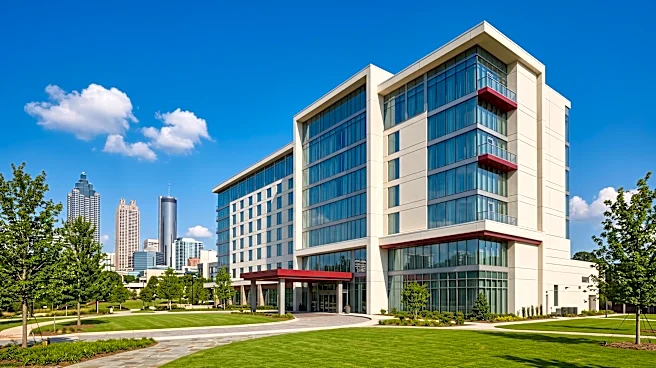
Atlanta's luxury hotel spa scene is undergoing a significant transformation, moving beyond traditional offerings to incorporate advanced wellness technologies and unique experiences. Hotels like the St. Regis, Four Seasons, Waldorf Astoria, Loews Atlanta,
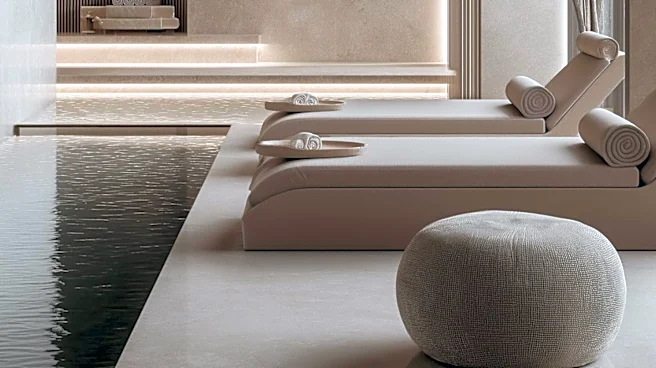
FORTH Hotel, and Spa InterContinental are enhancing their spa services to become standalone destinations. These establishments now feature a range of innovative treatments, including guided breathwork, cold plunges, red-light therapy, and compression equipment. For instance, the St. Regis offers a 'Gift of Restoration' package with Himalayan Escape and Rose Quartz Radiance treatments, while the Four Seasons provides a 'Night Spa' for couples with private pool access and customized massages. The Waldorf Astoria Spa, with its 'City Within the Forest' theme, offers treatments like Forest Therapy, benefiting Trees Atlanta. Loews Atlanta's renovated spa, co-branded with Salt Fitness, highlights a hammam and recovery programs. FORTH Hotel positions its spa as a social club with a full gym, classes, and hot-cold cycling. Spa InterContinental focuses on results-driven skincare with Biologique Recherche treatments and a heated outdoor saltwater pool. This evolution reflects a broader trend in the hospitality industry to provide comprehensive and specialized wellness experiences.
Why It's Important?
The elevation of Atlanta's luxury hotel spas signifies a growing demand for sophisticated wellness and self-care experiences within the U.S. hospitality sector. This trend impacts the industry by driving innovation in spa services, encouraging hotels to invest in state-of-the-art equipment and specialized staff. For consumers, it means access to a wider array of therapeutic and recovery-focused treatments, moving beyond basic massages and facials. The integration of fitness and recovery brands, such as Salt Fitness with Loews Atlanta, also indicates a shift towards holistic wellness, where physical activity, relaxation, and advanced therapies are combined. This competitive landscape pushes hotels to differentiate themselves, potentially leading to increased tourism and local patronage for these high-end facilities. The focus on unique offerings, like the Waldorf Astoria's 'City Within the Forest' theme or the FORTH Hotel's social club model, creates distinct brand identities and caters to diverse client preferences, from romantic getaways to serious recovery programs. This development also supports local economies by creating jobs in specialized wellness fields and attracting affluent clientele.
What's Next?
The trend of luxury hotel spas evolving into comprehensive wellness destinations is expected to continue, with further integration of technology and personalized services. Hotels will likely explore more partnerships with specialized wellness brands and practitioners to offer unique and cutting-edge treatments. We may see an increase in bespoke wellness programs tailored to individual health goals, incorporating elements like nutrition, mental well-being, and advanced diagnostics. The emphasis on 'recovery' and 'performance' will likely expand, with more facilities offering amenities such as cryotherapy, IV drips, and advanced fitness coaching. As consumer awareness of holistic health grows, these luxury spas could become central to health tourism, attracting visitors specifically for their wellness offerings. Furthermore, the competitive nature of this market may lead to more innovative membership models and exclusive access programs, similar to FORTH Club, to foster loyalty and create a community around these wellness hubs. The ongoing investment in luxurious and technologically advanced facilities will likely set new benchmarks for the U.S. spa industry.
Beyond the Headlines
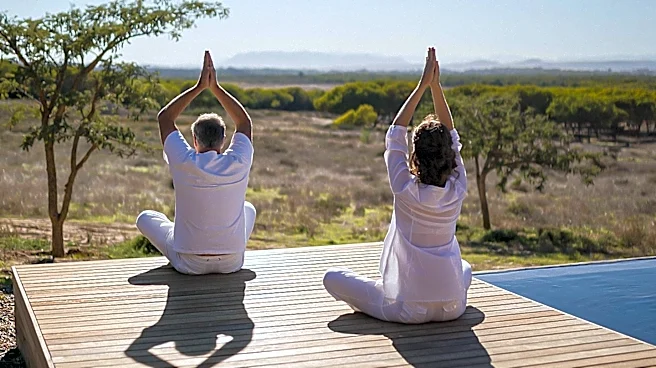
Beyond the immediate appeal of luxurious treatments, the transformation of Atlanta's hotel spas reflects deeper societal shifts towards prioritizing well-being and self-investment. This trend highlights a cultural move away from viewing spa visits as mere indulgence to seeing them as essential components of a healthy lifestyle. The incorporation of elements like guided breathwork, sound baths, and meditation into spa menus points to a growing recognition of mental and emotional health alongside physical wellness. Ethically, these high-end services raise questions about accessibility and equity in wellness, as such experiences often come with a significant price tag, making them exclusive to a certain demographic. However, the focus on sustainability, as seen with the Waldorf Astoria's partnership with Trees Atlanta, suggests a growing awareness of environmental responsibility within the luxury sector. This evolution also signifies a blurring of lines between hospitality, healthcare, and fitness, creating a new hybrid industry that caters to a holistic approach to human flourishing. The long-term impact could be a redefinition of luxury itself, where experiences that enhance personal well-being and offer a sense of rejuvenation become paramount.