





What's Happening?
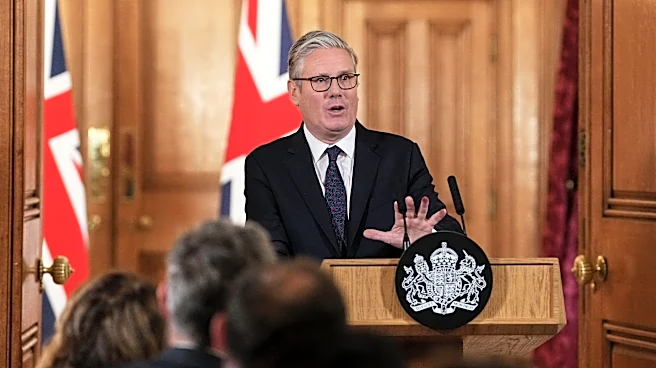
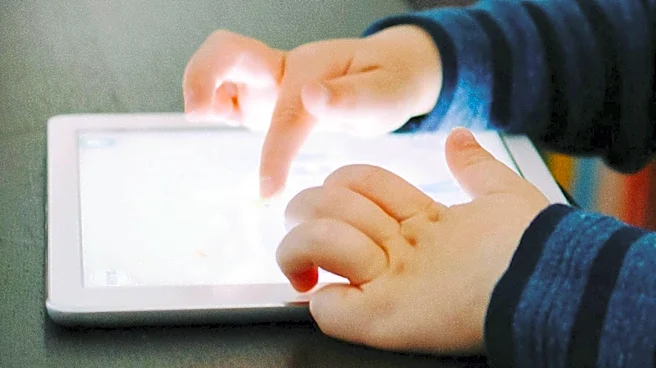
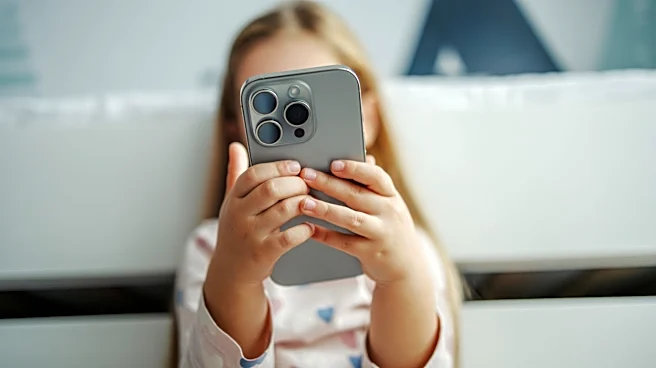
A recent opinion piece discusses the UK government's plan to ban social media for children under 16, aiming to 'give children their childhoods back.' The article argues that this initiative misunderstands modern childhood, which is deeply intertwined
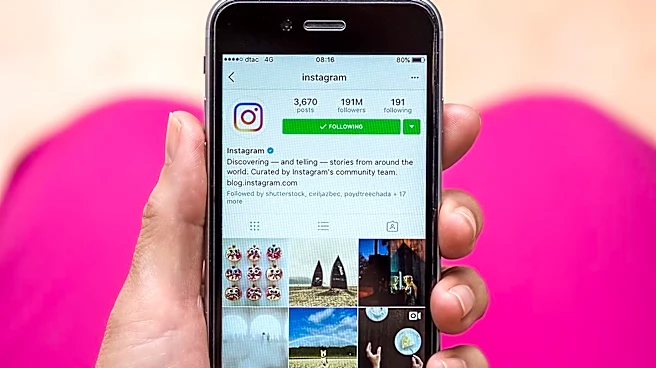
with digital technology. The author highlights that social media has become a crucial platform for cultural exchange and personal development, offering young people opportunities to connect and learn in ways previous generations could not. The piece suggests that while social media can have negative aspects, it also provides significant benefits that a ban would overlook.
Why It's Important?
The proposed social media ban raises important questions about the role of technology in children's lives and the balance between protection and access. Critics argue that removing access to social media could isolate young people from valuable educational and social resources. The debate highlights a generational divide in perceptions of technology's role in childhood. The policy could have broader implications for how societies regulate digital spaces and protect young users, potentially influencing similar discussions in the U.S. and other countries.
What's Next?
If implemented, the ban could lead to increased scrutiny of social media platforms and their impact on young users. It may prompt further discussions on digital literacy and the need for comprehensive strategies to protect children online. Stakeholders, including educators, parents, and policymakers, might explore alternative approaches to ensure safe and beneficial use of social media by minors.
Beyond the Headlines
The debate touches on deeper issues of nostalgia and the changing nature of childhood. It questions whether attempts to recreate past childhood experiences are feasible or desirable in a digital age. The discussion also reflects broader societal shifts towards digital integration and the challenges of adapting traditional concepts to modern realities.