


What's Happening?
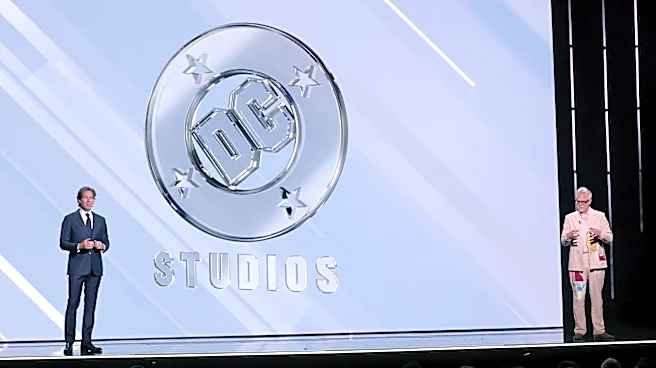
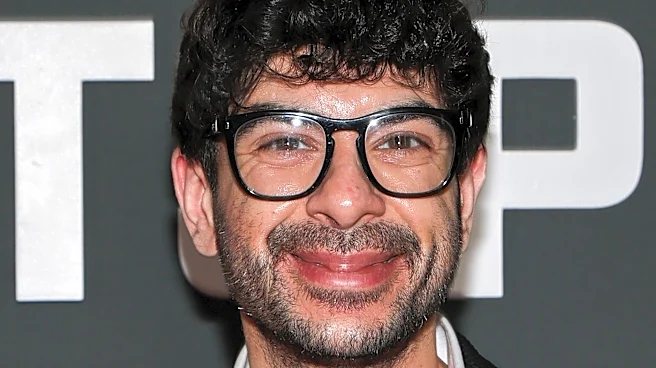
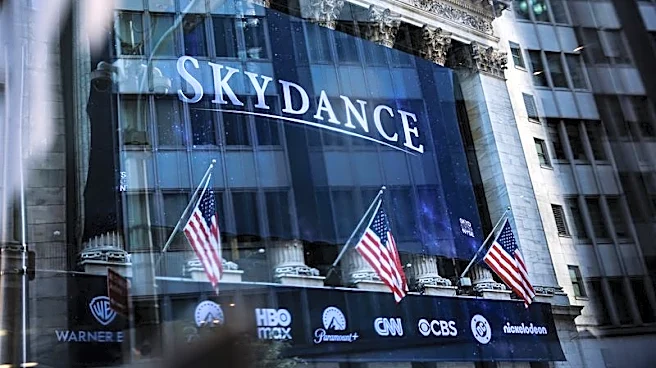
All Elite Wrestling (AEW) CEO Tony Khan is reportedly facing significant concerns regarding the future of AEW's broadcasting deal with TNT and TBS. This apprehension stems from a major shakeup at SkyDance-owned DC Studios, which occurred after SkyDance,
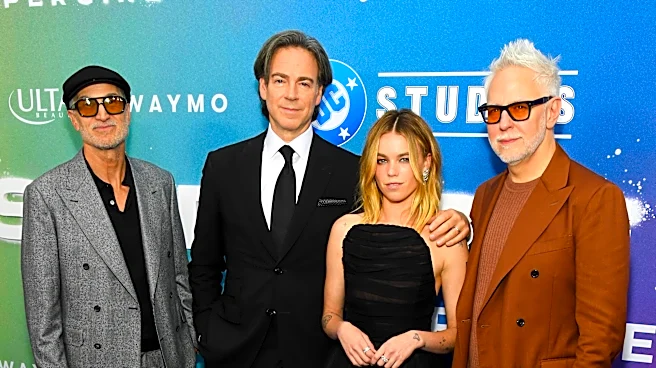
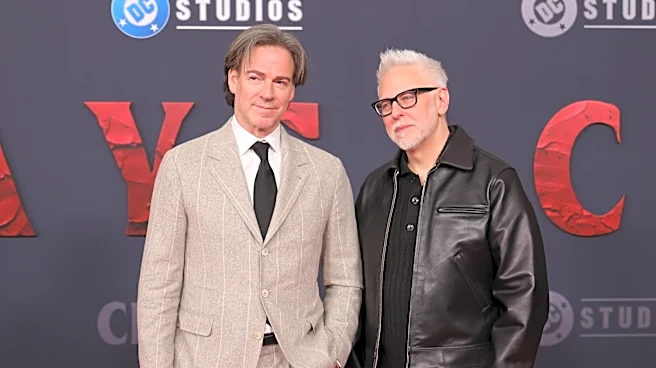
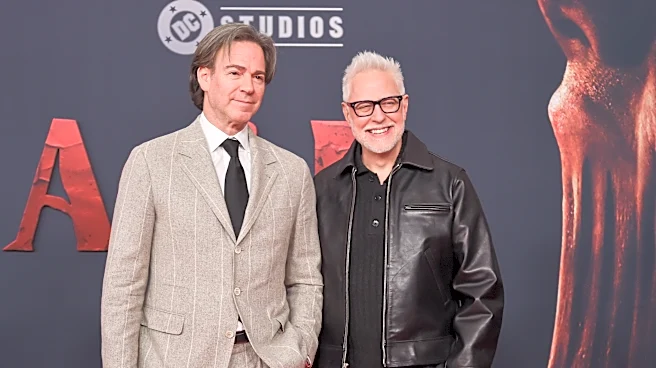
the owner of Paramount, completed its acquisition of Warner Bros. This merger places both Warner Bros. and Paramount under the same corporate umbrella, directly impacting the networks where AEW currently airs its weekly content. Initially, Khan had expressed confidence in AEW's future with the merged entity, citing positive conversations with SkyDance CEO David Ellison, who Khan described as a wrestling fan and an excited partner. However, the unexpected departure of DC Studios co-CEOs James Gunn and Peter Safran, despite their recent successes and reported productive meetings with Ellison, has introduced a new layer of uncertainty. This sudden change in leadership at a key SkyDance subsidiary suggests that corporate strategies and partnerships could be more fluid than previously anticipated, potentially affecting AEW's long-term broadcast agreements.
Why It's Important?
The potential instability of AEW's broadcast future on TNT and TBS carries significant implications for the professional wrestling industry and AEW's competitive standing. A loss of its current television home would be a substantial blow to AEW's growth trajectory, as television exposure is crucial for audience reach, revenue generation through advertising, and overall brand visibility. AEW has positioned itself as a major competitor to WWE, and a stable broadcast platform is fundamental to maintaining this rivalry. The situation highlights the broader impact of media consolidation on content creators, where corporate mergers can lead to unpredictable shifts in programming priorities and network strategies. For fans, it could mean a disruption in how they access AEW content, potentially leading to a decrease in viewership if the company struggles to secure an equivalent platform. The outcome will also be closely watched by other sports and entertainment properties that rely on major network deals, as it could set a precedent for how new media conglomerates manage their diverse portfolio of assets.
What's Next?
The immediate next steps for AEW and Tony Khan will likely involve closely monitoring developments within SkyDance and Warner Bros. Discovery. While Khan previously indicated positive discussions with David Ellison, the recent executive changes at DC Studios suggest that previous assurances might not be ironclad. AEW's current contract with Warner Bros. is reportedly set to expire at the end of next year, making the upcoming months critical for negotiations and strategic planning. Khan will need to either solidify the existing partnership under the new corporate structure or explore alternative broadcast avenues. Potential reactions could include increased speculation within the wrestling community about AEW's next move, and possibly proactive engagement from other media companies looking to acquire wrestling content. The situation could also influence AEW's creative direction and talent acquisition strategies as it navigates this period of uncertainty.
Beyond the Headlines
Beyond the immediate concerns of a broadcast deal, this situation underscores the evolving landscape of media ownership and its profound impact on niche entertainment industries like professional wrestling. The consolidation of major studios and networks into larger conglomerates creates a more complex ecosystem where content decisions are often driven by broader corporate synergies and financial objectives rather than individual brand performance. For AEW, this means navigating a corporate environment where its value proposition must align with the strategic goals of a much larger entity. The unexpected firings at DC Studios serve as a stark reminder that even successful ventures can be subject to sudden changes in corporate direction, highlighting the precarious nature of long-term partnerships in a rapidly consolidating media world. This development could also prompt other independent content producers to re-evaluate their reliance on traditional broadcast deals and explore diversified distribution strategies.