





What's Happening?
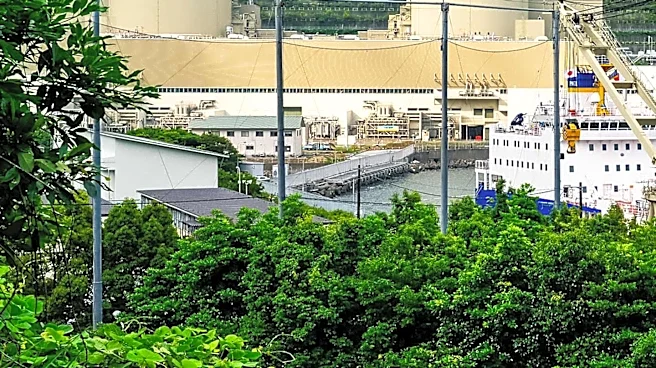
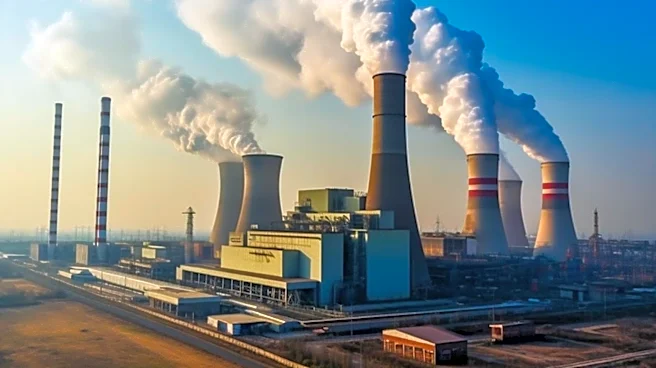
Pacific Gas and Electric Company (PG&E) is actively operating and maintaining several natural gas-fired power plants, including the Humboldt Bay Generating Station in Eureka, the Colusa Generating Station in Colusa County, and the Gateway Generating Station in Antioch.
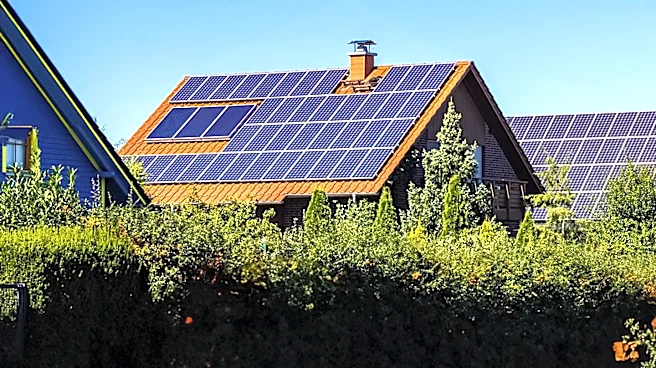
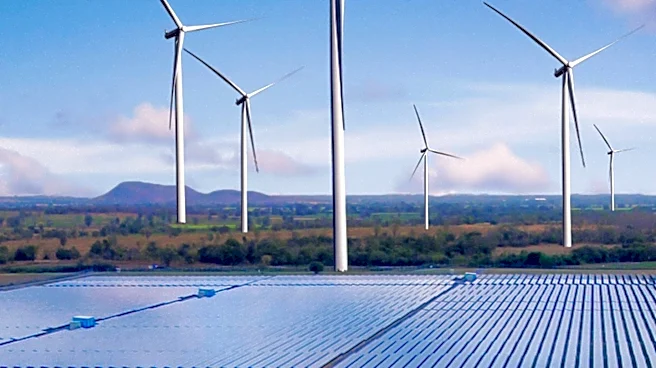
These facilities contribute to PG&E's overall generating capacity of approximately 5,300 megawatts, which serves its customer base. The company's power generation strategy also encompasses a diverse mix of hydroelectric, fossil, solar generation, and battery storage facilities. This includes 62 conventional hydroelectric powerhouses, a pumped-storage facility, and numerous reservoirs and dams. Additionally, PG&E has integrated utility-scale solar generation plants and battery energy storage solutions, such as the Elkhorn Battery facility at Moss Landing in Monterey County, into its energy infrastructure. The operation of these gas-fired plants is part of PG&E's commitment to delivering safe, reliable, and cost-effective generation to California while aiming for environmental responsibility.
Why It's Important?
The continued operation of PG&E's natural gas-fired power plants is significant for California's energy landscape, highlighting the ongoing reliance on fossil fuels even as the state pushes for renewable energy integration. These plants provide a crucial component of baseload power and grid stability, especially when intermittent renewable sources like solar and wind are not generating at full capacity. This balance is vital for preventing blackouts and ensuring a consistent power supply to millions of customers. For U.S. energy policy, PG&E's approach reflects the broader challenge of transitioning to a fully renewable grid while maintaining reliability. The presence of these gas plants indicates that a complete shift away from fossil fuels requires substantial advancements in energy storage and transmission infrastructure. Stakeholders, including environmental groups, energy regulators, and consumers, are closely watching how PG&E manages this transition, balancing environmental goals with the practical demands of energy security and affordability.
What's Next?
While the current status indicates ongoing operation of these gas-fired plants, the future trajectory for PG&E and the broader U.S. energy sector involves continued efforts to integrate more renewable energy sources and advanced storage solutions. PG&E's investment in utility-scale solar and battery storage, such as the Elkhorn Battery facility, suggests a strategic move towards reducing reliance on fossil fuels over time. Future developments will likely include further expansion of renewable energy projects, enhancements in grid modernization, and potential policy changes at both state and federal levels that could impact the operational lifespan of natural gas plants. The company will need to navigate evolving environmental regulations and public pressure to accelerate the transition to cleaner energy, while simultaneously ensuring grid stability and affordability for its customers. This ongoing balancing act will shape California's energy future and potentially serve as a model or cautionary tale for other states.
Beyond the Headlines
The continued operation of natural gas plants by PG&E, despite significant investments in renewables, underscores a complex ethical and practical dilemma in the energy transition. While the immediate need for reliable power often necessitates the use of existing fossil fuel infrastructure, the long-term environmental implications of greenhouse gas emissions from these plants remain a critical concern. This situation highlights the tension between energy security and climate action, forcing a reevaluation of what constitutes 'environmentally responsible' energy generation in the interim. Furthermore, the economic implications are substantial; maintaining and upgrading these gas plants requires significant capital, which could otherwise be invested in accelerating renewable deployment. The legal and regulatory frameworks governing energy production will also face increasing scrutiny, as stakeholders push for stricter emissions standards and faster decarbonization timelines. This ongoing reliance on gas-fired plants reflects a broader societal challenge in balancing immediate energy needs with the imperative to combat climate change, influencing public perception and corporate responsibility in the energy sector.