




What's Happening?
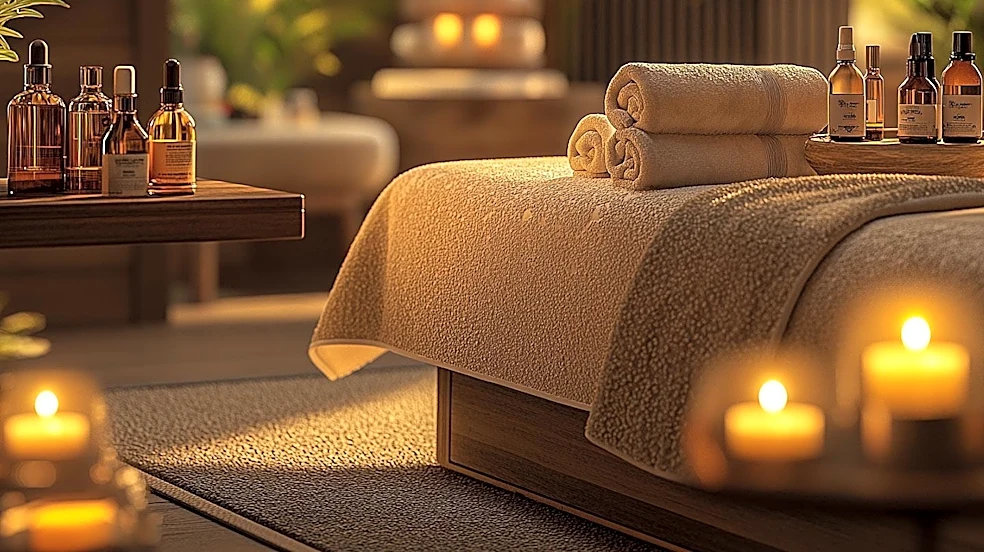
Across China, expansive, multi-story, 24-hour mega spas are experiencing a surge in popularity, attracting a new generation of visitors with their unique blend of spa amenities and diverse entertainment options. These facilities offer more than traditional
baths and massages; they include arcade games, cinemas, nap pods, and even unconventional features like scuba diving tanks and water slides. Some spas provide all-you-can-eat buffets with luxury items such as caviar and spiny lobster. The trend is driven by a combination of factors, including a high consumer priority for wellness, the appeal of affordable self-care options amidst a weakening economy, and the demand for 'urban micro-vacations' that offer efficient relaxation. The concept is also expanding internationally, with facilities like Singapore's Bubble House Plus adopting a similar model.
Why It's Important?
The rise of mega spas in China reflects significant shifts in consumer behavior and wellness trends. The emphasis on 'efficient relaxation' and one-stop-shop entertainment caters to busy urbanites seeking comprehensive leisure experiences without extensive travel. This trend highlights a growing market for integrated wellness and entertainment services, which could influence hospitality and leisure industries globally. The affordability of these spas, offering overnight stays at prices competitive with hotels, makes them accessible to a broader demographic, including students seeking respite from academic pressures. The virality of these spas on social media also underscores the power of digital platforms in shaping consumer preferences and driving tourism, with Chinese cities seeing significant spikes in spa-related searches.
What's Next?
The continued growth and international expansion of the mega spa concept are likely. As consumer demand for integrated wellness and entertainment experiences persists, more such facilities may emerge, potentially influencing the design and offerings of spas and leisure centers worldwide. The success of these venues in attracting both locals and tourists suggests a sustainable business model that combines self-care with diverse recreational activities. Operators may continue to innovate with unique amenities and services to maintain competitive advantage and appeal to evolving consumer tastes. Furthermore, the trend could prompt traditional hospitality businesses to re-evaluate their offerings, potentially leading to more hybrid models that blend relaxation, entertainment, and dining.
Beyond the Headlines
The mega spa phenomenon in China offers a fascinating insight into cultural adaptations of wellness and leisure. Historically rooted in public bathhouse traditions, these modern facilities have evolved into social hubs that address contemporary needs for stress relief, entertainment, and affordable escapes. The integration of diverse activities within a single venue reflects a broader societal trend towards maximizing convenience and value. Ethically, these spaces provide accessible self-care options in a society where mental health support may still carry stigma, offering a more socially acceptable avenue for decompression. Culturally, they represent a blend of traditional practices with modern consumerism, creating unique social environments that cater to a wide range of preferences and foster community engagement among different age groups.