






What's Happening?
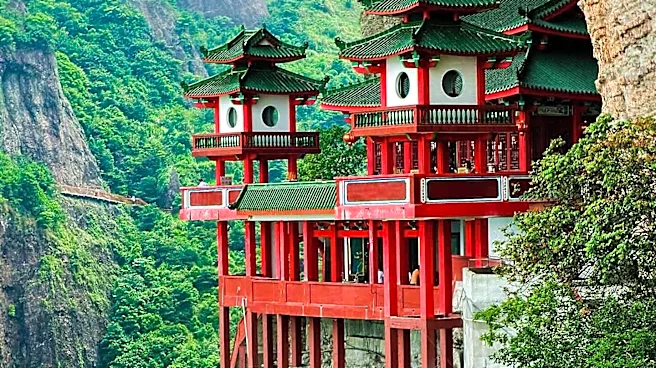
Furong Ancient Town, located in Xiangxi Prefecture, Hunan Province, China, is being highlighted as a unique and captivating travel destination. This ancient Tujia town is distinctively built high above cliffs and waterfalls, offering a picturesque landscape
where ancient wooden buildings are stacked on mountains with a large waterfall flowing through the town's center. The town provides a serene escape from bustling city life, characterized by small alleys, traditional wooden houses, local restaurants, and shops selling regional products. Visitors can immerse themselves in the Tujia culture, experiencing an atmosphere vastly different from modern urban centers like Changsha. It is recommended to visit in the afternoon and stay overnight to witness the waterfall, mountains, and houses in daylight, and then experience the illuminated ancient Chinese ambiance in the evening.
Why It's Important?
The recognition of Furong Ancient Town as a unique destination contributes to the diversification of global tourism, offering U.S. travelers an alternative to more conventional Chinese tourist spots. This shift towards exploring lesser-known cultural and natural sites can broaden perspectives on Chinese heritage and landscapes beyond major cities. For the U.S. travel industry, promoting such destinations could cater to a growing segment of travelers seeking authentic, off-the-beaten-path experiences. It also underscores the economic potential of cultural tourism for remote regions, providing opportunities for local communities to showcase their traditions and generate income. The emphasis on preserving Tujia culture within the town highlights the importance of cultural heritage in attracting tourism and fostering cross-cultural understanding, which can have long-term benefits for international relations and appreciation of diverse societies.
What's Next?
As Furong Ancient Town gains popularity, there will likely be increased efforts to enhance tourist infrastructure while maintaining its authentic character. This could include developing more accessible transportation options from major cities like Changsha, improving accommodation facilities, and expanding guided tours that delve deeper into Tujia culture. Local authorities may also focus on sustainable tourism practices to protect the natural environment and cultural heritage from potential over-tourism. Marketing campaigns, possibly targeting international audiences including those in the U.S., might emphasize the town's unique blend of natural beauty and historical architecture. There could also be a push to develop more cultural programs and workshops within the town to provide visitors with hands-on experiences of Tujia traditions, further enriching the tourist offering.
Beyond the Headlines
The allure of Furong Ancient Town lies in its harmonious integration with nature, where human habitation is dramatically shaped by the landscape of cliffs and waterfalls. This exemplifies a traditional architectural philosophy that prioritizes living in concert with the environment, a concept that resonates with contemporary discussions on sustainable living and ecological awareness. The town's preservation of Tujia culture offers a window into the rich tapestry of China's ethnic diversity, challenging monolithic perceptions and promoting a deeper understanding of its various indigenous groups. For U.S. audiences, this provides an opportunity to engage with a different cultural paradigm, one where ancient traditions and natural grandeur are central to daily life and identity. It also highlights the global value of protecting unique cultural landscapes as irreplaceable assets for humanity.