





What's Happening?
Scientists are actively researching cockroach milk as a potential superfood, recognizing its high protein and calorie content. This 'nutritious bug juice' is being considered as a viable solution to global hunger and a possible ingredient for various
beverages. A recent scientific review published in the journal 'Insects' explores how advancements in cockroach milk and other insect-derived ingredients could be utilized in 'functional beverages' such as protein shakes, teas, liquors, and beers, aiming for mainstream market acceptance. The Pacific beetle cockroach is the only known species that produces milk to feed its offspring. This milk, or 'milk analogue,' contains crystalized proteins and boasts triple the calories of bovine milk, according to Dr. Ramaswamy Subramanian of Purdue University, who co-authored a significant study on the topic in 2016. Harvesting this milk involves extracting embryos from pregnant Pacific roaches and allowing the protein crystals to spill out.
Why It's Important?
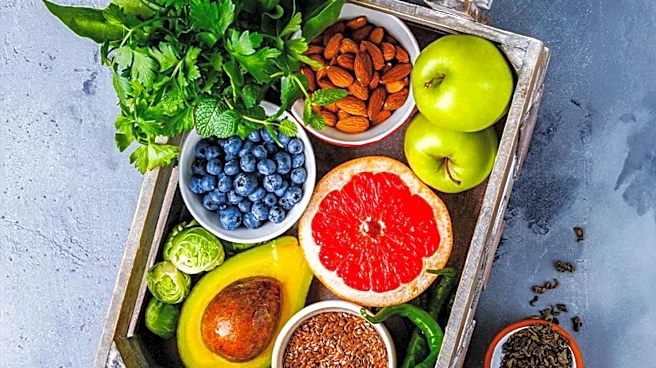
The exploration of cockroach milk as a superfood addresses critical global challenges, particularly food security and sustainable nutrition. With a rapidly growing global population, there is an urgent need for alternative, highly nutritious, and efficiently produced food sources. Cockroach milk's exceptional protein and calorie density could offer a powerful solution to malnutrition and hunger in various parts of the world. Its potential integration into mainstream food products, such as functional beverages, could diversify dietary options and reduce reliance on traditional animal agriculture, which often has a larger environmental footprint. This research signifies a shift towards innovative and unconventional food technologies, potentially opening new avenues for the food industry and contributing to a more resilient global food system.
What's Next?
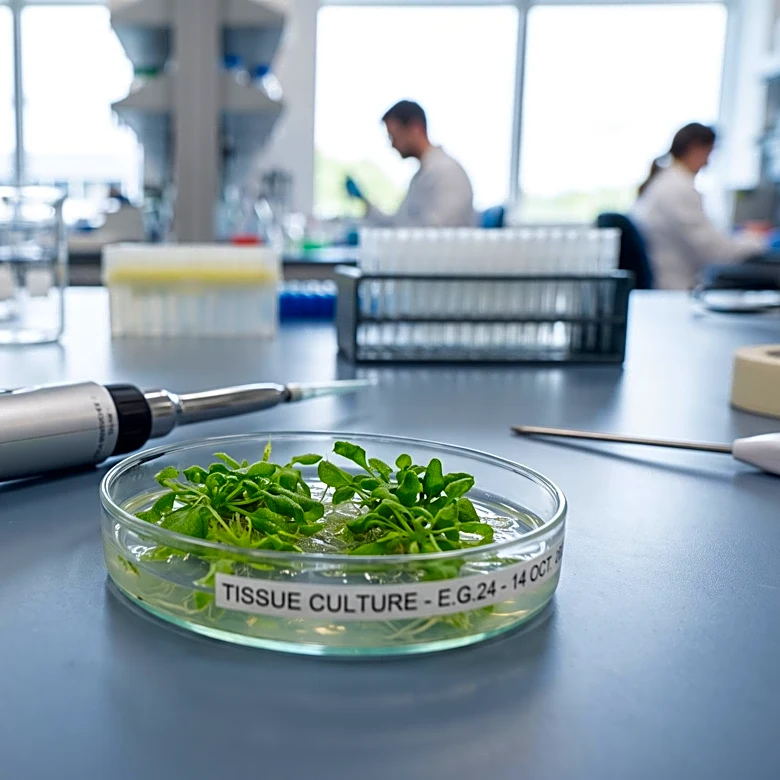
Scientists, including Dr. Subramanian and his colleagues, are currently studying the molecular structure of cockroach milk protein crystals with the goal of replicating them synthetically. This replication would enable mass production without the need for direct extraction from cockroaches, making it more scalable and palatable for consumers. Further research will likely focus on developing efficient and ethical methods for large-scale production, as well as conducting taste tests and market research to understand consumer acceptance. The marketing and branding of insect-based products will be crucial for their successful integration into mainstream markets. The scientific community will also continue to explore other insect-derived ingredients to broaden the scope of sustainable food solutions.
Beyond the Headlines
The concept of consuming cockroach milk challenges conventional dietary norms and cultural perceptions of food. While the idea may initially evoke aversion, its potential nutritional benefits could drive a significant shift in how societies view and accept alternative food sources. This development highlights the increasing role of biotechnology and food science in addressing complex global issues. It also raises ethical considerations regarding the industrial farming of insects for food, including welfare standards and environmental impacts. The success of cockroach milk and other insect-based foods could pave the way for a more adventurous and sustainable culinary future, pushing the boundaries of what is considered edible and nutritious. This innovation could also spark broader discussions about food waste, resource allocation, and the future of protein production.