




What's Happening?
The minimalist lifestyle trend is gaining traction in U.S. interior design, focusing on reducing clutter and making intentional choices about living spaces. This approach prioritizes essentials, clean lines, functional furniture, and open spaces to create
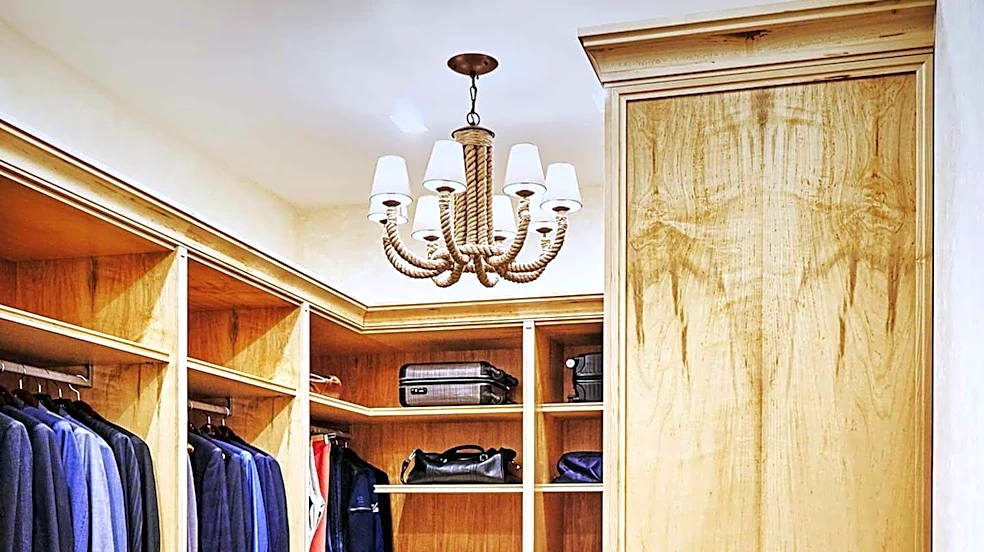
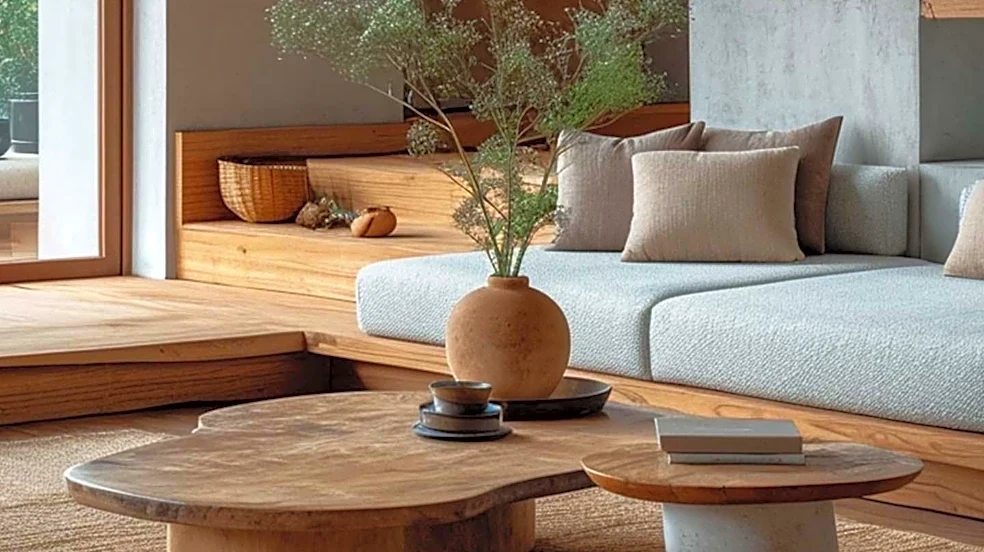
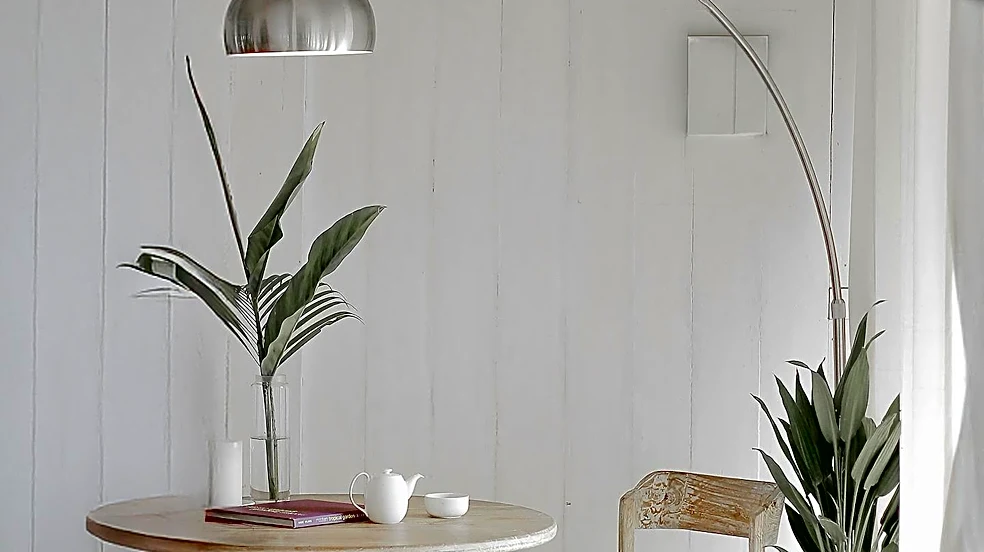
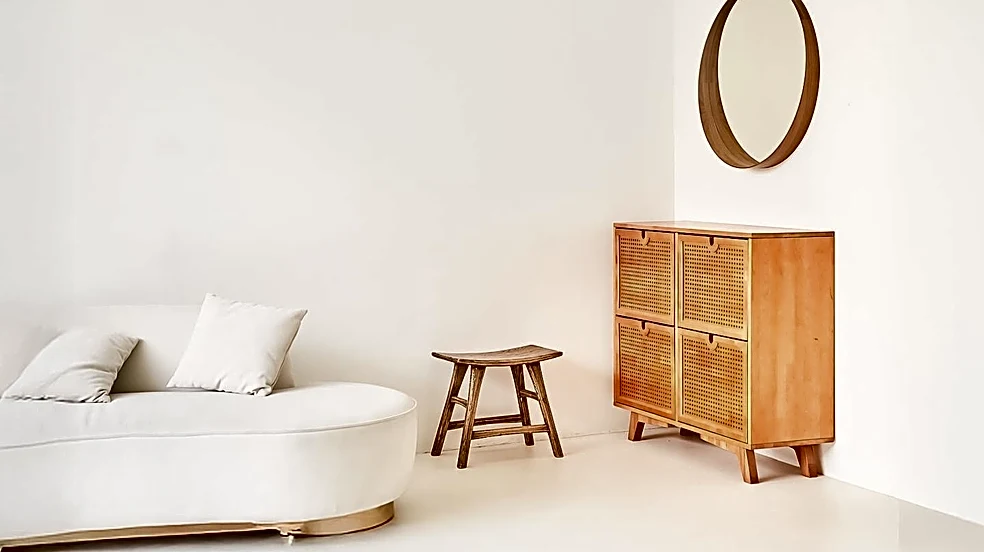
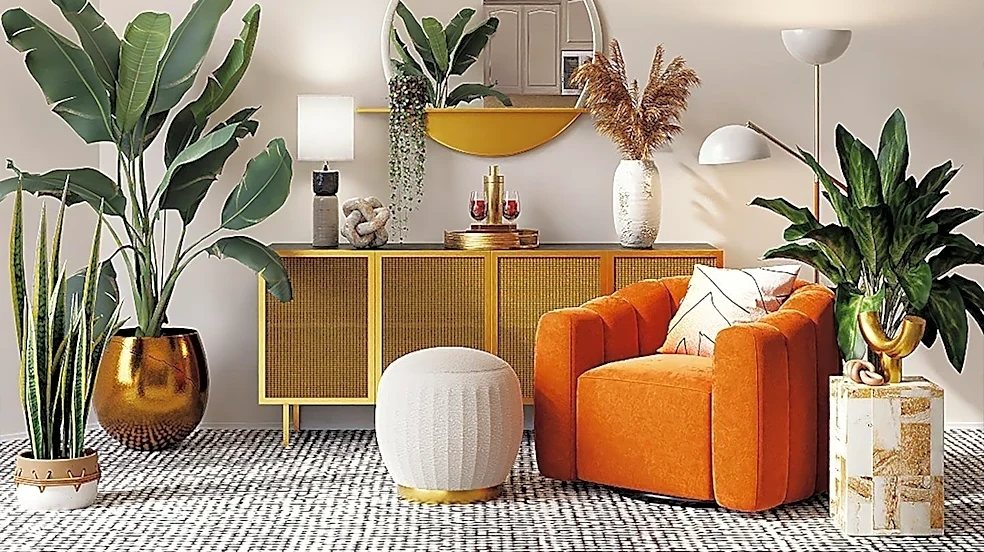
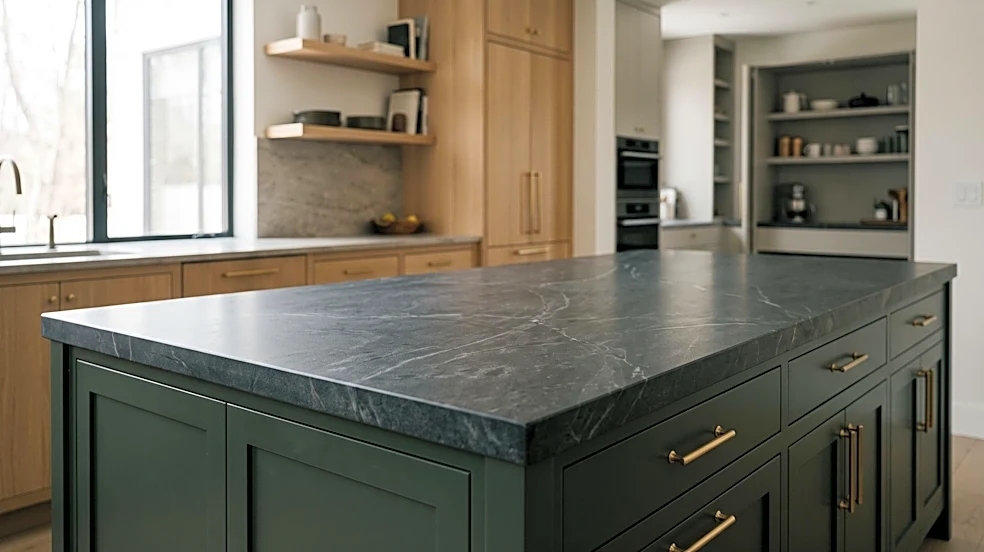
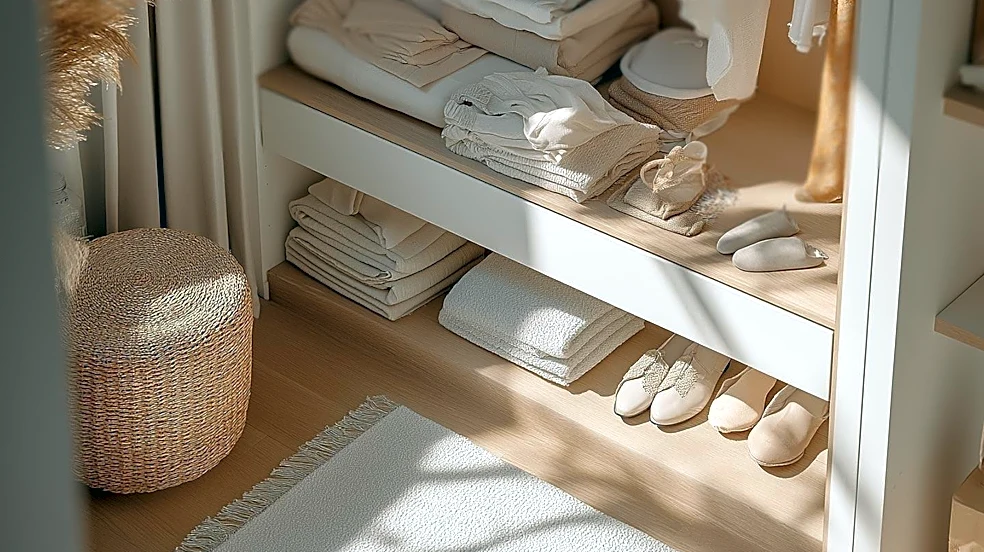
comfortable and uncluttered environments. While often associated with stark white rooms, modern minimalism incorporates natural materials, soft lighting, plants, artwork, and meaningful objects to maintain warmth and personalization. Key features include neutral color palettes (white, beige, cream, gray, earthy tones), functional furniture that serves a purpose, minimal visual clutter on surfaces, and the use of natural materials like wood, linen, cotton, and stone. Thoughtful lighting, combining natural light with layered lamps, also contributes to a relaxed atmosphere. The goal is to make spaces feel more intentional, comfortable, and easier to use, rather than simply empty.
Why It's Important?
This trend is significant for U.S. consumers and the home decor industry as it reflects a broader shift towards conscious consumption and a desire for calmer living environments. For individuals, adopting minimalism can lead to a more peaceful visual space, improved functionality, and simplified interior design decisions. It encourages homeowners to prioritize quality over quantity and to personalize their spaces with meaningful items rather than excessive accessories. For the retail and design sectors, this means a potential increase in demand for versatile, high-quality, and sustainably sourced furniture and decor items that align with minimalist principles. It also highlights a market for design services that help clients declutter and optimize their living spaces, particularly in smaller homes or apartments where maximizing space is crucial.
What's Next?
The minimalist trend is expected to continue influencing U.S. home design, with a focus on adaptable and personalized applications. Consumers will likely seek out products and services that facilitate decluttering and intentional living. AI image tools, such as those offered by 1minAI, are emerging as a next step for individuals to visualize minimalist room makeovers before committing to purchases or renovations. These tools allow users to experiment with different minimalist styles, color palettes, and furniture arrangements, helping them to avoid common mistakes like making a room too empty or using too many conflicting materials. The emphasis will remain on creating spaces that are both aesthetically pleasing and highly functional, reflecting individual lifestyles rather than adhering to rigid design rules.
Beyond the Headlines
Beyond its aesthetic appeal, the minimalist lifestyle trend carries deeper implications for U.S. culture and consumer behavior. It challenges the traditional consumerist mindset by encouraging individuals to question the necessity of possessions and to value experiences and well-being over material accumulation. This shift could lead to a more sustainable approach to home ownership and consumption, reducing waste and promoting thoughtful purchasing decisions. Ethically, it encourages a focus on the environmental impact of goods and the longevity of products. Culturally, it reflects a growing desire for simplicity and tranquility in an increasingly complex and fast-paced world, offering a sanctuary from external pressures within the home environment. This trend could also foster a greater appreciation for craftsmanship and natural materials, influencing manufacturing and design practices across various industries.