







What's Happening?
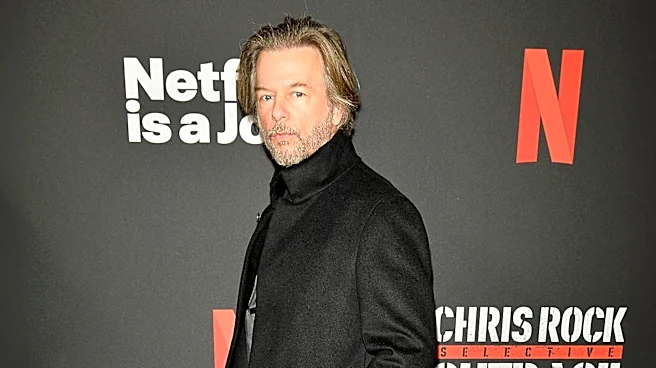
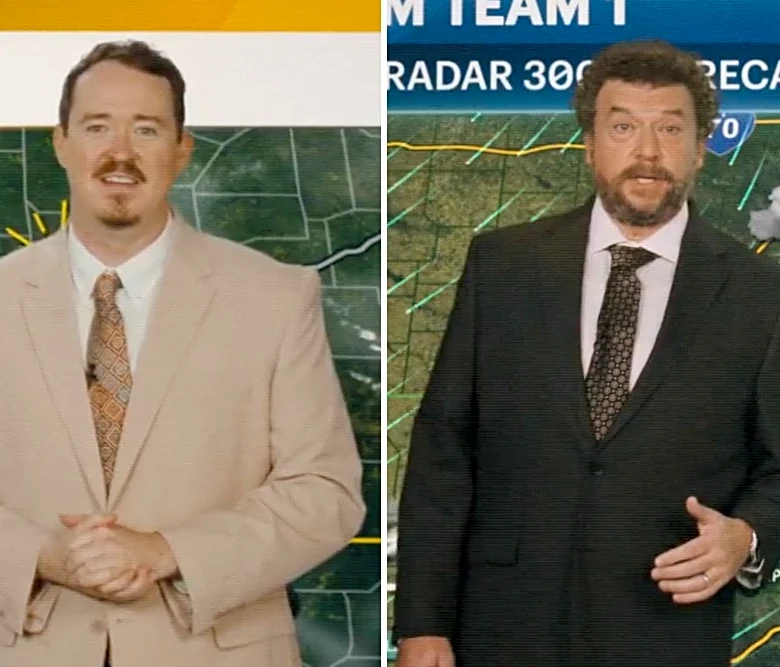
Comedian David Spade has publicly commented on what he perceives as Hollywood's double standards regarding public outrage and comedic material, particularly in the wake of Shane Gillis's controversial 'Saturday Night Live' monologue. During an episode
of his podcast, 'Fly on the Wall with Dana Carvey and David Spade,' Spade defended comedians' right to push boundaries, even if their jokes don't always land. Gillis faced backlash for remarks made about women at the gym during his 'SNL' appearance. Spade questioned the selective nature of criticism, noting that some topics or individuals are deemed off-limits while others, like actress Sydney Sweeney, face widespread negativity. He suggested that not every joke or celebrity controversy warrants outrage, advocating for a more relaxed approach to public discourse.
Why It's Important?
Spade's comments highlight an ongoing debate within the entertainment industry and broader society about the limits of comedy, freedom of speech, and the nature of public offense. His critique of 'Hollywood's double standards' reflects a sentiment among some comedians and commentators that outrage is often disproportionate or inconsistently applied. This discussion is significant for U.S. entertainment as it touches upon creative expression, audience reception, and the evolving landscape of what is considered acceptable humor. The backlash faced by comedians like Shane Gillis underscores the challenges artists face in navigating a highly scrutinized public sphere, where jokes can quickly lead to widespread condemnation and professional consequences. The differing opinions on Gillis's joke, even among comedians like Dana Carvey and Heather Santoro, illustrate the complexity of humor and its interpretation.
What's Next?
The ongoing conversation about comedic boundaries and public sensitivity is likely to continue influencing how comedians craft their material and how audiences react. While there's no immediate 'next step' in terms of policy or regulation, the cultural dialogue may lead to a more nuanced understanding of humor's role in society. Comedians might become more cautious, or conversely, more defiant, in their approach to controversial topics. The entertainment industry may also face continued pressure to balance artistic freedom with social responsibility, potentially leading to internal discussions about content guidelines and audience engagement strategies. The public's reaction to such incidents will continue to shape the perceived limits of acceptable humor.
Beyond the Headlines
Spade's remarks delve into deeper societal implications beyond just comedy, touching on issues of empathy, judgment, and the rapid spread of online criticism. His observation about the differing treatment of figures like 'OnlyFans' creators versus Sydney Sweeney points to a broader cultural inconsistency in how individuals are perceived and judged. This raises questions about the underlying values that drive public outrage and the potential for hypocrisy in social commentary. The discussion also highlights the impact of social media in amplifying reactions and creating a climate where every public statement is subject to intense scrutiny. This environment can stifle open dialogue and encourage a culture of immediate condemnation rather than thoughtful consideration, affecting not only entertainment but also broader public discourse.