






What's Happening?
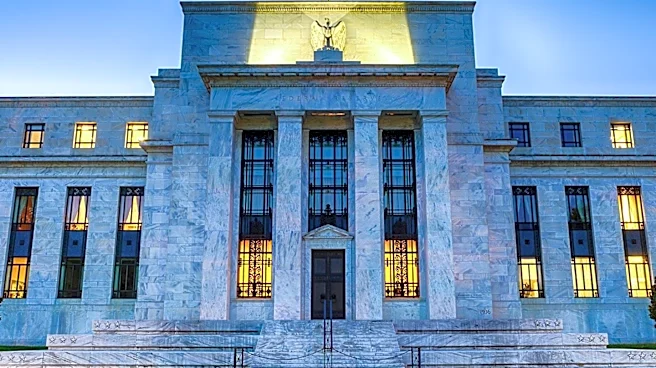
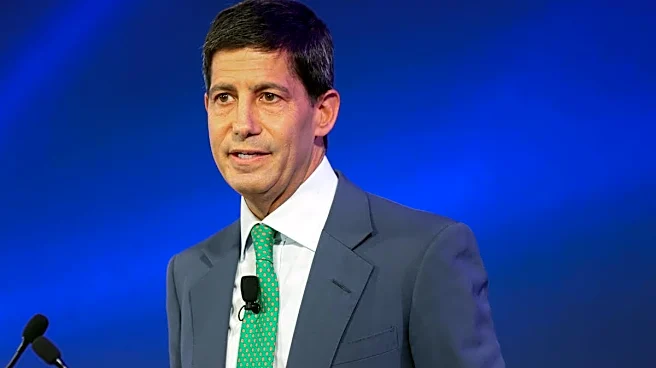
Kevin Warsh, the new Chair of the Federal Reserve, has identified significant issues within the financial markets, particularly concerning their overreliance on Federal Reserve expectations. In his first press conference, Warsh emphasized that this reliance distorts
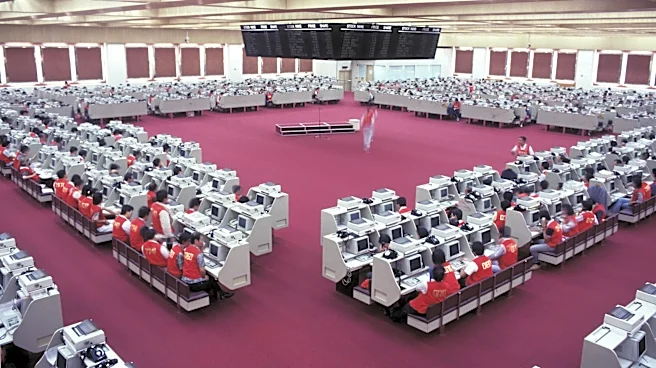
stock prices, making them less reflective of real-time business operations and economic realities. This situation hampers the Fed's ability to use financial markets effectively for policy decisions. Warsh's proposed solution involves reducing the Fed's forward guidance, which he believes will compel markets to focus more on real-time data rather than future Fed actions. However, this approach could lead to increased market volatility and pressure on stock prices as investors may shift from equities to safer assets like bonds.
Why It's Important?
Warsh's approach marks a significant shift in how the Federal Reserve communicates with the public and financial markets. By reducing forward guidance, the Fed aims to encourage markets to reflect current economic conditions more accurately. This change could lead to greater market volatility, affecting stock investors who may face increased uncertainty. The move could also impact the broader economy, as stock market fluctuations can influence consumer confidence and spending. Additionally, Warsh's strategy may challenge the Fed's traditional role in providing economic stability, potentially leading to debates among policymakers and financial experts about the best approach to managing monetary policy.
What's Next?
As Warsh implements his new communication strategy, financial markets may experience increased volatility. Investors and analysts will likely scrutinize upcoming Federal Open Market Committee (FOMC) meetings for any changes in policy or communication style. The Fed's reduced guidance could lead to more significant market reactions to economic data releases, as investors seek to interpret the Fed's intentions. Policymakers and financial experts may also engage in discussions about the effectiveness of Warsh's approach and its impact on the economy. The Fed's future actions and communications will be closely watched to assess the long-term implications of this shift.