




What's Happening?
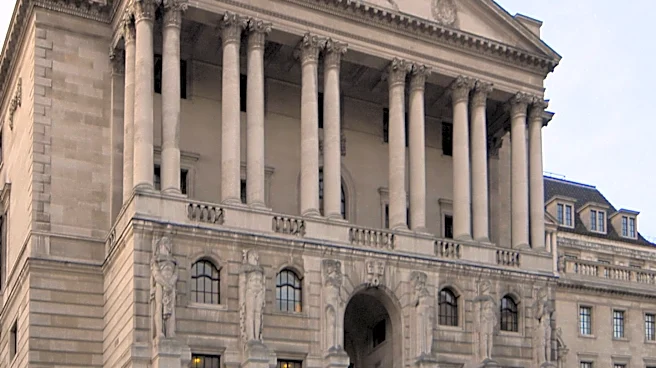
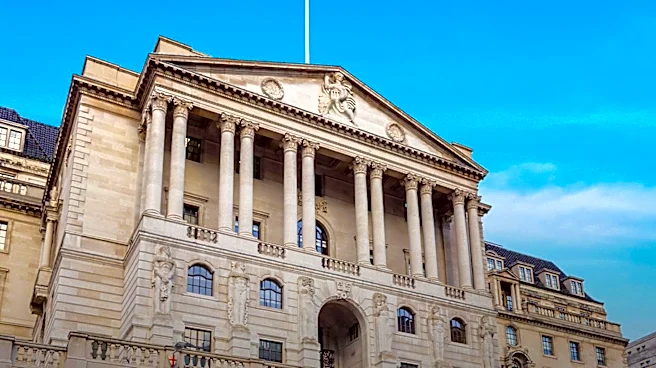
The Bank of England (BoE) has issued a stark warning to UK households regarding impending financial pressures, as detailed in its latest Financial Stability Report. The central bank projects that homeowners could see their annual mortgage costs surge
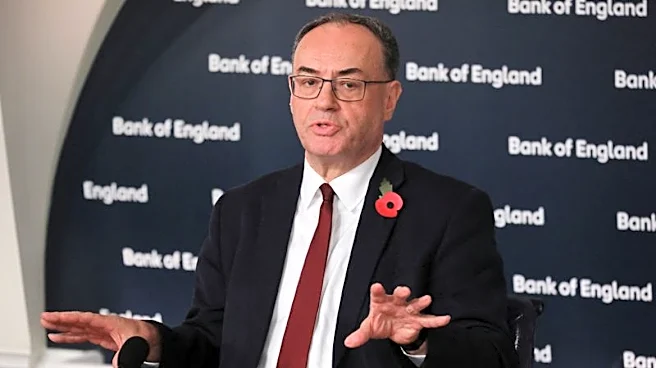
by up to £6,000 in the coming years. This forecast comes amidst rising energy bills and increasing interest rates, which are expected to significantly impact family budgets. Approximately 6.5 million homeowners are anticipated to experience higher monthly mortgage payments by the end of 2029, an increase of half a million more than previously estimated in July. For those coming off fixed-rate deals, the median monthly increase is now projected to be around £100, double the forecast from four months prior. The report also highlights that over one million households with pre-2022 mortgage deals below 3% expiring by the end of next year could face an average increase of almost £200 per month when switching to current fixed rates above 5%. Furthermore, about 430,000 homeowners might see monthly rises exceeding £500 over the next three years. Bank Governor Andrew Bailey also cautioned that households could face higher interest rates on personal loans or lower returns on savings, as lenders may seek to protect their earnings following a decision to double the corporation tax surcharge on bank profits.
Why It's Important?
This warning from the Bank of England underscores a significant economic challenge for UK households, with broad implications for financial stability and consumer spending. The projected increases in mortgage payments and loan interest rates will directly reduce disposable income for millions, potentially leading to a contraction in non-essential spending. This could have a ripple effect across various sectors of the UK economy, impacting retail, leisure, and other consumer-driven industries. The erosion of family savings buffers, as noted by the BoE, means many households have less capacity to absorb these financial shocks, increasing the risk of financial distress for vulnerable populations. The report also highlights a potential shift in lending practices, with banks possibly passing on increased tax burdens to consumers through higher loan rates or lower savings returns. This could exacerbate the cost-of-living crisis, making it harder for individuals to save and manage debt, thereby widening economic inequalities. The situation also poses a challenge for policymakers, who must balance efforts to control inflation with the need to support household financial resilience.
What's Next?
In the immediate future, UK households currently on fixed-rate mortgage deals below 3% that are set to expire before the end of next year will need to prepare for substantial increases in their monthly payments. Lenders are expected to adjust their offerings in response to the Bank of England's base rate and the increased corporation tax surcharge, potentially leading to higher interest rates on new loans and potentially lower returns on savings accounts. Consumers may need to reassess their budgets, reduce discretionary spending, or draw down existing savings to manage these increased costs. The Bank of England will continue to monitor economic indicators, including inflation and energy prices, which could influence future interest rate decisions. Further hikes remain possible if oil and gas prices stay elevated. Policymakers will likely face pressure to introduce measures that could alleviate the financial burden on households, though specific interventions are yet to be detailed. The Financial Policy Committee will continue to assess the stability of the UK financial system, with future reports providing updated outlooks and potential policy recommendations.
Beyond the Headlines
The Bank of England's warning extends beyond immediate financial adjustments, signaling a potential long-term shift in household financial planning and economic behavior in the UK. The sustained period of rising costs could lead to a more cautious consumer base, prioritizing debt reduction and essential spending over discretionary purchases. This could reshape consumer markets and force businesses to adapt to a more constrained spending environment. Furthermore, the report highlights the vulnerability of lower-income households and renters, who spend a larger proportion of their income on essentials and have fewer savings buffers. This could exacerbate social inequalities and potentially lead to increased demand for social welfare programs. The interplay between government fiscal policy (like the corporation tax surcharge) and monetary policy (interest rates) will be under scrutiny, as decisions in one area can have significant, sometimes unintended, consequences on the other. The ongoing economic pressures may also influence political discourse, with cost-of-living issues likely to remain a central theme in public debate and future elections, potentially shaping policy priorities for years to come.