








What's Happening?
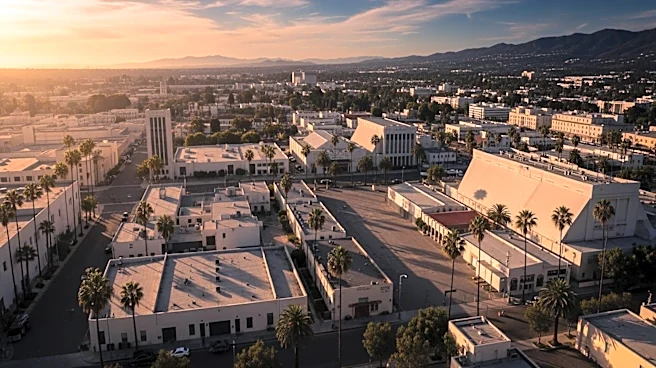
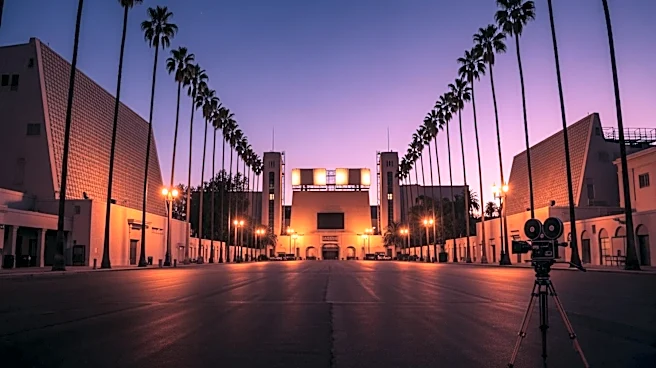
Netflix Inc. is set to purchase the Radford Studio Center, a historic movie studio in Los Angeles, for approximately $400 million. This acquisition comes after the property was repossessed by lenders, including Goldman Sachs Group Inc., due to Hackman
Capital Partners defaulting on $1.1 billion of bondholder debt. The transaction is expected to close in the third quarter of 2026. Historically, Netflix has leased rather than owned real estate, but it is now investing in studio lots, including a $1-billion production center in Fort Monmouth, New Jersey. The Radford Studio Center, known for hosting popular TV series like 'Gunsmoke' and 'Seinfeld,' was previously sold for $1.85 billion in 2021. The value of Los Angeles studio real estate has declined due to rising interest rates and decreased production following strikes by writers and actors in 2023.
Why It's Important?
This acquisition marks a strategic shift for Netflix as it consolidates its real estate holdings and invests in owned production facilities. The move could enhance Netflix's production capabilities and reduce long-term leasing costs. The purchase also reflects broader trends in the entertainment industry, where streaming services are increasingly investing in infrastructure to support content creation. The decline in studio real estate values, exacerbated by economic factors and industry strikes, presents opportunities for companies like Netflix to acquire assets at reduced prices. This could impact other landlords and real estate investors in the Los Angeles area, particularly those unaffiliated with major studios.
What's Next?
As Netflix finalizes the acquisition, it may consider relocating from its current leased properties in Hollywood, which are set to expire in 2031. The consolidation of its operations at Radford Studio Center could streamline production processes and potentially lead to further investments in the facility. The broader real estate market in Los Angeles may continue to experience volatility, with other properties potentially becoming available as financial pressures persist. Stakeholders in the entertainment and real estate sectors will likely monitor these developments closely, assessing the impact on property values and production dynamics.