



What's Happening?
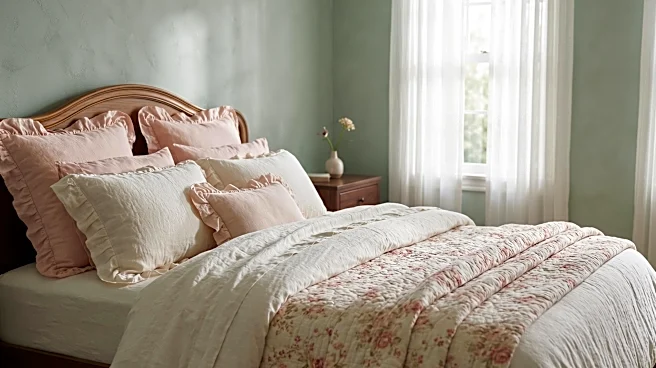
Bedding brands are increasingly focusing on nostalgia and designer collaborations to meet consumer demand for personalized and curated bedroom aesthetics. Target is reintroducing its Simply Shabby Chic collection through a new multiyear partnership, more
than two decades after its initial debut in 2004. This collection, designed by Rachel Ashwell, aims to offer vintage-inspired pieces that can be mixed and matched. Additionally, nursery and children’s furniture brand Babyletto has launched its first designer collaboration, 'Astre,' with interior designer Nate Berkus. This 12-piece collection, which debuted on October 1st, includes an all-stages crib and Global Organic Textile Standard-certified organic sheets, featuring Berkus’s hand-painted patterns. Luxury bedding brand Ann Gish is also partnering with Judith Leiber Couture for a new collaboration set to debut at the fall High Point Market, aiming to bring Judith Leiber’s iconic design into the bedroom. These initiatives reflect a broader trend in the bedding industry to offer distinctive aesthetics and reach new customer segments.
Why It's Important?
This trend signifies a strategic shift in the bedding and home furnishings market, moving beyond purely functional products to emphasize emotional connection and personalized style. For retailers like Target, reintroducing nostalgic brands like Simply Shabby Chic taps into a proven consumer base and leverages brand recognition, potentially driving significant sales by appealing to both original fans and new generations seeking a 'collected' look. Designer collaborations, such as Babyletto with Nate Berkus and Ann Gish with Judith Leiber Couture, allow brands to elevate their offerings, introduce unique design perspectives, and attract consumers who value high-end aesthetics and designer credibility. This approach can lead to increased market share and brand loyalty in a competitive industry. The focus on curated, vintage-inspired, and designer-led collections also reflects evolving consumer preferences for home environments that feel personal and unique, rather than mass-produced, impacting product development and marketing strategies across the sector.
What's Next?
The bedding industry is likely to see a continued proliferation of designer collaborations and the revival of beloved, nostalgic brands. The success of these initial launches, particularly the Simply Shabby Chic relaunch at Target and the Babyletto x Nate Berkus collection, will likely encourage other brands to explore similar strategies. Upcoming events like the High Point Market will serve as key platforms for unveiling new partnerships and collections, further solidifying this trend. Consumers can anticipate a wider array of unique and aesthetically driven bedding options, potentially leading to increased competition among brands to secure high-profile designers and intellectual properties. The emphasis on sustainability, as seen with Babyletto's organic sheets, may also become a more prominent feature in future collaborations, aligning with growing consumer environmental consciousness. Brands will likely monitor sales data and consumer feedback closely to refine their collaboration strategies and identify future opportunities.
Beyond the Headlines
The resurgence of nostalgic brands and the prevalence of designer collaborations in the bedding sector highlight a deeper cultural shift towards valuing authenticity and individuality in personal spaces. In an increasingly digital and often impersonal world, consumers are seeking tangible connections to the past and unique expressions of self within their homes. These collaborations offer a shortcut to achieving a 'curated' look without the effort of extensive vintage sourcing. Furthermore, the involvement of well-known designers and brands can transform everyday household items into aspirational lifestyle products, blurring the lines between fashion, art, and home decor. This trend also underscores the power of brand storytelling and the emotional resonance that certain aesthetics can evoke, influencing not just purchasing decisions but also broader trends in interior design and consumer culture. The strategic use of nostalgia and celebrity design can create a sense of exclusivity and desirability, fostering a more engaged and loyal customer base.