




What's Happening?
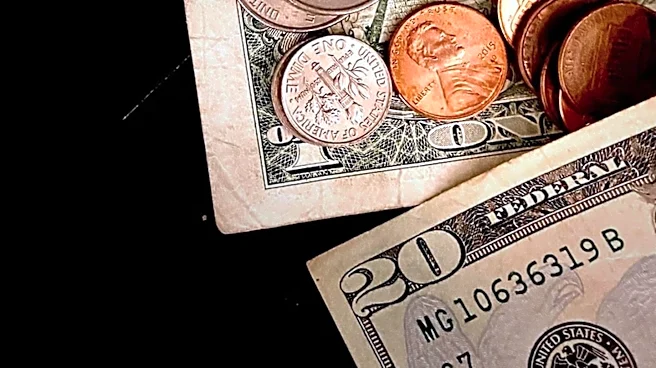
The US dollar is holding near a monthly high as tensions escalate in the Middle East and traders await a key decision from the Federal Reserve. The recent conflict in the Middle East, particularly involving Iran, has led to increased volatility in the currency
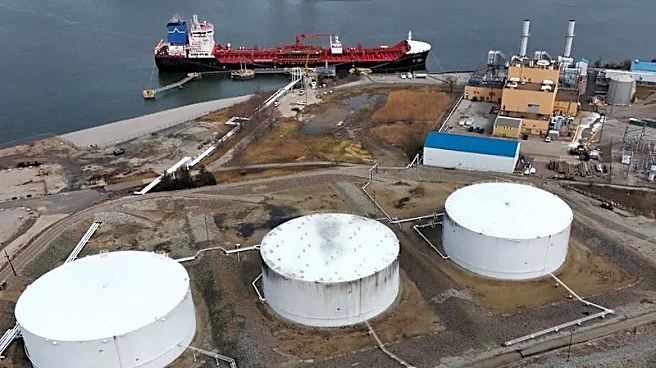
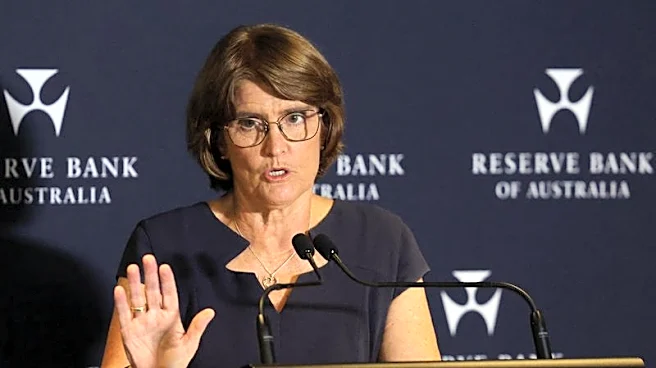
markets. The Australian dollar fell following weaker-than-expected inflation data, reducing the likelihood of further rate hikes by the Reserve Bank of Australia. Meanwhile, oil prices have risen due to the US intercepting ballistic missiles launched by Iran. The Federal Reserve's upcoming interest-rate decision is a focal point for traders, with markets pricing in a 33% chance of a 25-basis-point rate hike.
Why It's Important?
The strength of the US dollar amid geopolitical tensions and economic uncertainty highlights its role as a safe-haven currency. The Federal Reserve's decision will be closely watched as it could influence global financial markets and economic policies. A stronger dollar can impact US exports by making them more expensive, potentially affecting trade balances. Additionally, the situation in the Middle East could have broader implications for global oil prices and economic stability, influencing inflation and monetary policy decisions worldwide.
What's Next?
Traders and analysts will be closely monitoring the Federal Reserve's decision and any guidance provided during the press conference. The outcome could lead to further strengthening of the dollar if the Fed adopts a more hawkish stance. Additionally, geopolitical developments in the Middle East will continue to influence market dynamics, with potential interventions in the currency market by Japanese authorities if the yen weakens further. The interplay between these factors will shape the trajectory of the dollar and global economic conditions in the coming days.