



What's Happening?
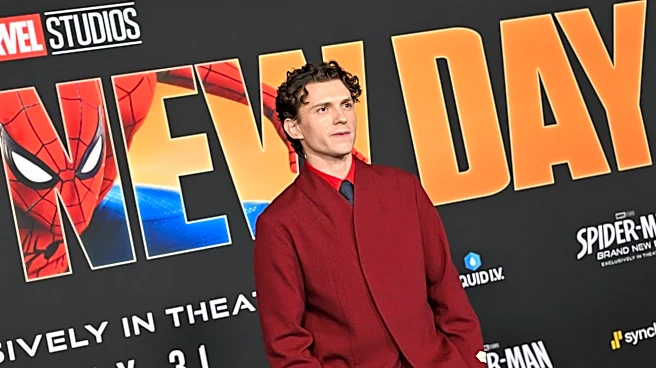
A new TV spot for 'Avengers: Doomsday' from Marvel Studios Japan has prominently featured Tom Holland's Spider-Man, utilizing reused footage from 'Avengers: Endgame'. This marketing push, which also promotes a collaboration between 'Doomsday' and Japan's
B.League All-Star Game Weekend 2027, has intensified speculation about Holland's involvement in the upcoming film. While Holland was previously expected to appear in 'Avengers: Secret Wars' in 2027, his inclusion in the 'Doomsday' marketing suggests a potential earlier appearance. The spot opens with Holland's Spider-Man emerging from a portal during the final battle of 'Endgame' before transitioning to 'Doomsday' trailer footage mixed with basketball highlights. This development comes amidst ongoing rumors about the return of multiple Spider-Men, including Tobey Maguire, in 'Doomsday', potentially as part of the Multiverse Saga's conclusion. The film's marketing is intensifying as its December 18 release date approaches.
Why It's Important?
The inclusion of Tom Holland's Spider-Man in the 'Avengers: Doomsday' TV spot carries significant implications for the Marvel Cinematic Universe (MCU) and its global fanbase. Spider-Man is one of Marvel's most popular characters, and his confirmed or strongly hinted involvement in a major Avengers film can significantly boost box office performance and audience engagement. For Marvel Studios, leveraging such a beloved character in their marketing strategy, especially in international markets like Japan, is crucial for maximizing global reach and revenue. The ongoing speculation about a 'multiverse' theme, potentially bringing back Tobey Maguire's Spider-Man alongside Holland's, could create unprecedented fan excitement and draw in a wider demographic, including those nostalgic for earlier iterations of the character. This strategy aims to capitalize on the success of previous multi-Spider-Man narratives, such as 'Spider-Man: No Way Home', which was a massive commercial success. The film's performance will be a key indicator of the continued viability and appeal of the MCU's expansive, interconnected storytelling.
What's Next?
With 'Avengers: Doomsday' less than a month away from its December 18 release, further marketing materials, including potentially a third and final trailer, are expected to be released. These upcoming promotions will likely continue to fuel speculation regarding the film's plot and character appearances, particularly concerning the Spider-Man characters. Fans will be closely watching for any official confirmations or clearer hints about the roles of Tom Holland and potentially Tobey Maguire. The film's opening sequence, rumored to involve Maguire's Spider-Man in a multiversal clash, is a highly anticipated element. The success of 'Doomsday' will also influence the trajectory of the Multiverse Saga, which is nearing its conclusion. The film's reception will provide insights into how Marvel Studios plans to integrate various iterations of its characters and universes moving forward, potentially setting the stage for future projects like 'Avengers: Secret Wars'.
Beyond the Headlines
The strategic use of Spider-Man in the 'Avengers: Doomsday' marketing, particularly the emphasis on multiversal possibilities, reflects a broader trend in modern cinematic universes: the leveraging of nostalgia and interconnected narratives to maintain audience interest. By hinting at the return of beloved characters from past franchises, Marvel Studios taps into a deep well of fan loyalty and curiosity. This approach not only generates immediate buzz but also allows for the exploration of complex themes like alternate realities and the legacy of heroism. The ethical implications of such extensive multiversal storytelling include the potential for narrative fatigue if not handled carefully, as well as the challenge of balancing fan service with original storytelling. Culturally, the integration of different Spider-Man iterations speaks to the character's enduring appeal and adaptability across generations, solidifying his status as a global pop culture icon. The long-term shift could see cinematic universes increasingly relying on cross-franchise pollination to sustain their narratives and commercial success.