





What's Happening?
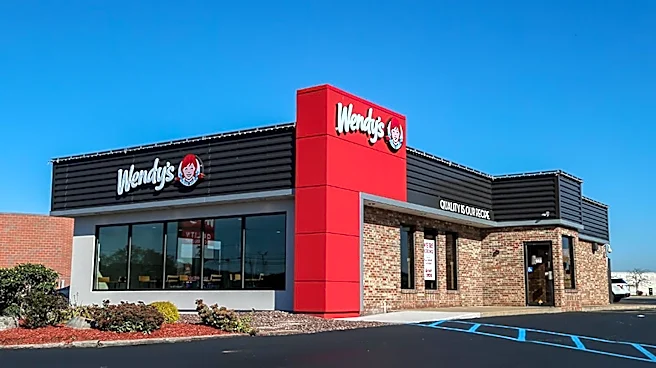
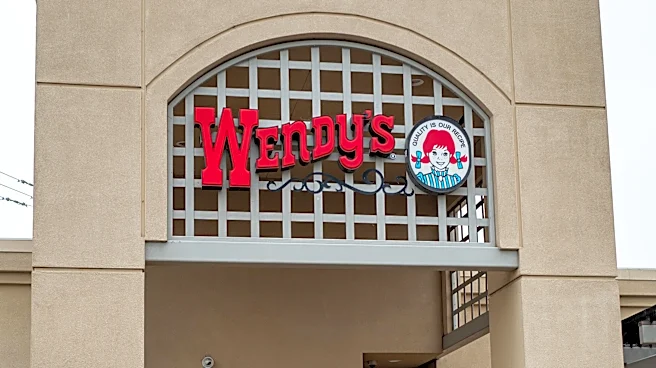
Wendy's, the Dublin, Ohio-based burger chain, has rejected a $1.4 billion buyout offer from an activist investor group led by Nelson Peltz. The company's independent board committee unanimously concluded that the bid 'substantially undervalues' Wendy's long-term
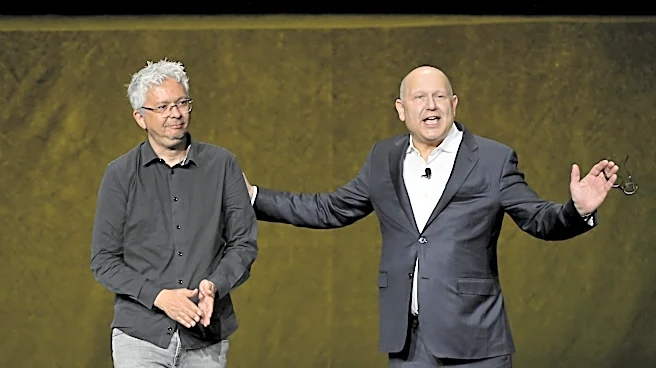
earnings potential. In response to the offer, Wendy's board adopted a 'poison pill' plan, officially known as a shareholder rights plan, to deter a hostile takeover. This defense mechanism allows existing shareholders, excluding a hostile bidder, to purchase discounted shares, thereby diluting the ownership stake of any entity that acquires 15% or more of Wendy's shares without board approval. Peltz's investment firm, Trian Fund Management, and its partners already hold approximately 16.3% of Wendy's shares. Wendy's CEO Bob Wright, who assumed his role in May, stated that the company has a turnaround plan, 'Dave's Way,' which is already yielding positive results, focusing on improving food quality, marketing, and digital ordering.
Why It's Important?
This rejection and the implementation of a 'poison pill' highlight a significant corporate governance battle within a major U.S. fast-food chain. The move signals Wendy's board's commitment to its current strategic direction under CEO Bob Wright, despite the company facing challenges such as high beef prices, aging stores, and declining U.S. same-store sales. The activist investor group, led by Nelson Peltz, a veteran of corporate power struggles and former Wendy's chairman, believes a private-market overhaul is necessary for the company's future. The 'poison pill' defense is a critical tool companies use to protect themselves from unwanted takeovers, giving the board more leverage in negotiations. This situation could influence investor confidence in Wendy's current management and its ability to execute its turnaround plan effectively, especially as the fast-food industry navigates a competitive landscape with consumer pressures and inflation.
What's Next?
The 'poison pill' plan will remain in place for one year, making a hostile takeover significantly more challenging for Peltz's group. While Wendy's has rejected the offer, the activist investor group, which holds a substantial stake, may continue to pressure the company for changes or a higher bid. Wendy's CEO Bob Wright is expected to continue implementing the 'Dave's Way' turnaround plan, which includes testing quality improvements like thicker bacon and creamier Frosties, and optimizing menu items and breakfast offerings. The company's recent third-quarter performance, which exceeded Wall Street forecasts despite a drop in same-store sales, may provide some validation for its current strategy. However, the ongoing struggle with store closures and franchisee bankruptcies indicates that significant challenges remain for Wendy's in the coming months.
Beyond the Headlines
The conflict at Wendy's reflects broader trends in corporate activism, where large investors seek to influence company strategy and leadership. Nelson Peltz's history of engaging in high-profile battles, such as with Disney, underscores the increasing assertiveness of activist shareholders in demanding changes they believe will unlock value. The 'poison pill' defense, while legal, often sparks debate about shareholder rights versus board autonomy. Critics argue it can entrench management and prevent shareholders from realizing potential gains from a takeover, while proponents contend it protects companies from opportunistic bids that undervalue their long-term prospects. This case also highlights the evolving dynamics of the fast-food industry, where established brands like Wendy's are adapting to changing consumer preferences, intense competition, and economic pressures, making strategic leadership and effective turnaround plans crucial for survival and growth.