





What's Happening?
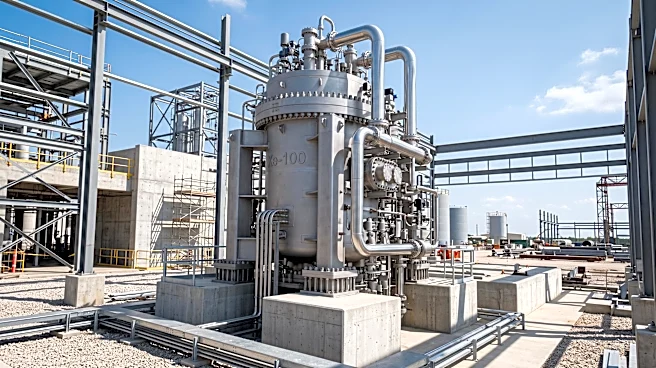
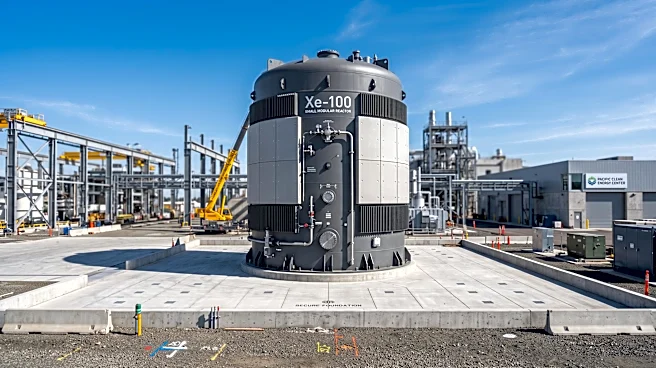
The U.S. Nuclear Regulatory Commission (NRC) has issued a construction permit for a proposed plant featuring four Xe-100 small modular reactor (SMR) units at Dow Chemical's Seadrift site in Texas. This marks the first construction permit for a high-temperature
gas-cooled reactor in the U.S. The project is unique because these reactors will not only generate electricity but also supply high-temperature steam for chemical plant operations, a more appropriate use for this type of reactor compared to the lower-temperature steam from most traditional nuclear plants. These X-energy plants will utilize TRISO fuel pebbles, coated with graphite and silicon carbide, designed for high-temperature operation. X-energy is also involved in other U.S. projects, including one with Energy Northwest in eastern Washington state, where Amazon is expected to use the electricity for data center operations, and another 960-MW advanced nuclear project with American Electric Power and Amazon at a former coal plant site in Sullivan County, Indiana, which will utilize 12 Xe-100 SMRs.
Why It's Important?
This landmark construction permit for Dow Chemical's SMR plant signifies a crucial step in the U.S.'s efforts to expand its nuclear energy capacity and diversify its energy mix. The integration of SMRs directly into industrial processes, such as chemical manufacturing, demonstrates a novel application of nuclear technology that could significantly reduce industrial carbon emissions and enhance energy efficiency. This development could pave the way for broader adoption of SMRs in various industrial sectors, offering a reliable, carbon-free energy source. The involvement of major corporations like Dow Chemical and Amazon highlights the growing private sector interest and investment in advanced nuclear technologies, driven by both sustainability goals and the increasing demand for stable, high-capacity power, particularly for data centers. This move could also bolster the U.S.'s position in the global nuclear energy market, fostering innovation and creating new economic opportunities in manufacturing and engineering.
What's Next?
Following the issuance of the construction permit, Dow Chemical and X-energy will proceed with the detailed engineering and construction phases of the SMR plant in Texas. The success of this project could serve as a blueprint for future industrial applications of SMRs across the U.S. and potentially globally. The other projects involving X-energy, Amazon, and American Electric Power in Washington state and Indiana are also expected to advance, further demonstrating the versatility and scalability of SMR technology. Regulatory bodies will likely monitor these projects closely to ensure safety and operational efficiency, which could influence future permitting processes and regulatory frameworks for advanced nuclear reactors. The long-term contracts with companies like Amazon indicate a growing trend of direct energy procurement from nuclear sources, suggesting a shift in how large energy consumers secure their power needs.
Beyond the Headlines
The approval of Dow Chemical's SMR plant represents more than just a new power source; it symbolizes a potential paradigm shift in industrial energy consumption and environmental responsibility. By providing both electricity and process heat, SMRs can enable heavy industries to significantly decarbonize their operations, addressing a critical challenge in climate change mitigation. This integration could also lead to greater energy independence for industrial facilities, reducing their exposure to volatile fossil fuel markets. However, the long-term success and widespread adoption of SMRs will depend on their economic viability, safety record, and public acceptance. The development of TRISO fuel pebbles and high-temperature gas-cooled reactors also points to a future where nuclear technology is more adaptable and efficient, potentially unlocking new applications beyond traditional electricity generation and fostering a new era of nuclear innovation.