


What's Happening?
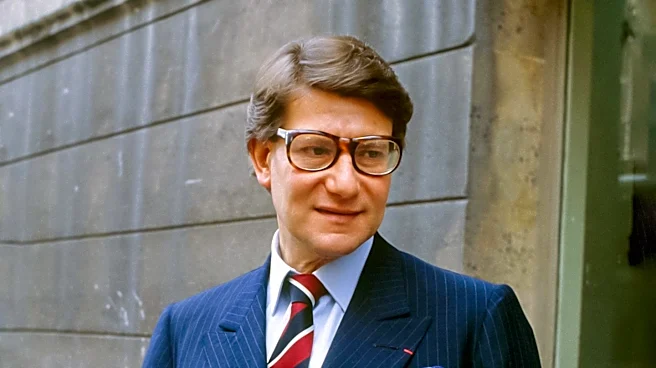
Founded in 1961, Yves Saint Laurent has significantly influenced the fashion industry by pioneering luxury prêt-à-porter with its 'Rive Gauche' collection in 1966. This innovation made high fashion more accessible, bridging the gap between haute couture
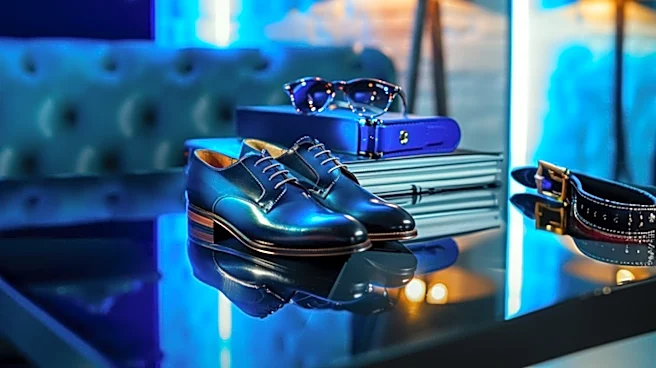
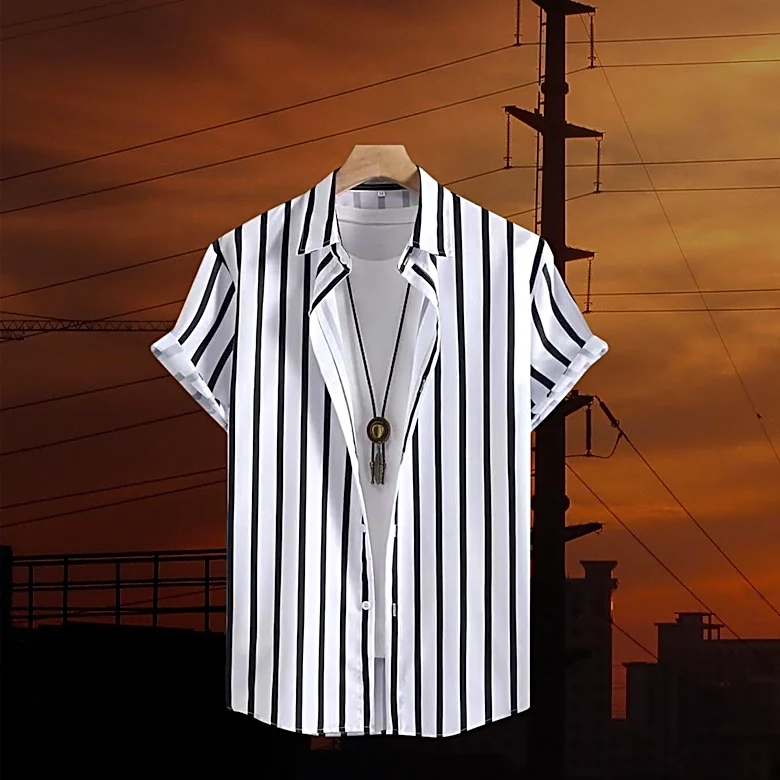
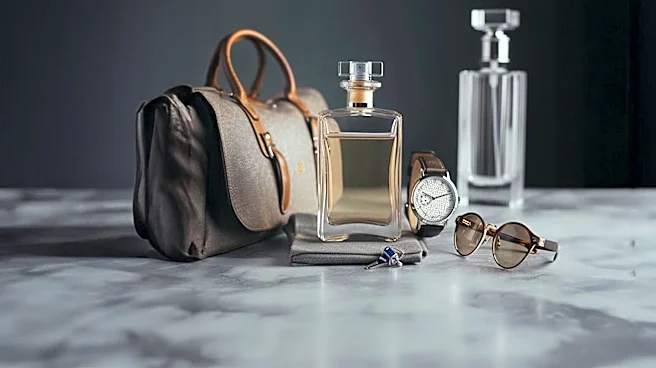
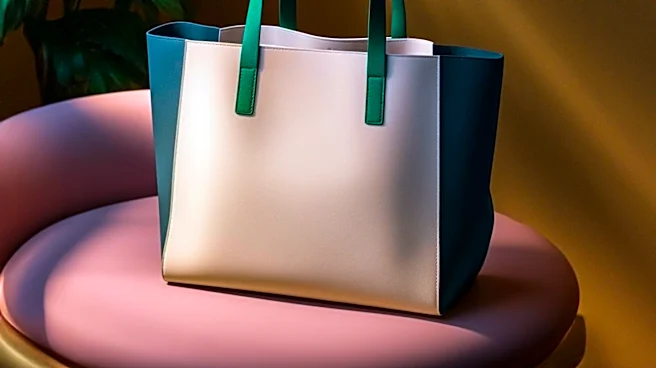
and ready-to-wear. The brand was acquired by the Kering Group in 1999, a major global luxury group. Under the current creative direction of Anthony Vaccarello, Saint Laurent maintains its position as a leading luxury brand. Today, its product portfolio is extensive, encompassing women’s and men’s ready-to-wear apparel, a wide range of footwear, handbags, small leather goods, jewelry, scarves, ties, and eyewear. This broad offering caters to a global clientele seeking high-end fashion and accessories.
Why It's Important?
Yves Saint Laurent's continued prominence in the luxury market signifies the enduring demand for high-quality, designer goods within the U.S. and global economies. The brand's strategy of offering a diverse range of products, from clothing to accessories, allows it to capture various segments of the luxury consumer base. This diversification is crucial for sustained growth and resilience in a competitive industry. For U.S. consumers, the availability of such a wide array of luxury items reflects evolving fashion trends and purchasing power. For the broader business landscape, the success of brands like Saint Laurent, under the Kering Group, highlights the economic impact of the luxury sector, including job creation in design, manufacturing, retail, and marketing, as well as its contribution to international trade and brand prestige.
What's Next?
Under Anthony Vaccarello's creative direction, Yves Saint Laurent is expected to continue its evolution, likely introducing new collections that blend its iconic heritage with contemporary aesthetics. The brand will probably focus on expanding its global retail footprint, particularly in emerging luxury markets, while also strengthening its digital presence to cater to online shoppers. Innovations in sustainable practices within the luxury fashion industry could also influence Saint Laurent's future strategies, as consumer demand for ethical and environmentally conscious products grows. Furthermore, collaborations with artists or other brands, and the introduction of new product categories, could be avenues for future growth and maintaining relevance in the dynamic luxury market.
Beyond the Headlines
The enduring success of Yves Saint Laurent reflects deeper cultural and societal trends, particularly the democratization of luxury fashion initiated by its prêt-à-porter concept. This shift made high fashion aspirational and attainable for a broader audience, influencing how luxury brands operate today. The brand's ability to maintain its allure and relevance over decades speaks to the power of strong brand identity and consistent creative vision. Ethically, the luxury fashion industry, including Saint Laurent, faces increasing scrutiny regarding labor practices and environmental impact. How the brand addresses these challenges, particularly in its supply chain and material sourcing, will be critical for its long-term reputation and consumer trust in an increasingly conscious market. The brand's influence extends beyond clothing, shaping perceptions of elegance, rebellion, and modern femininity.