







What's Happening?
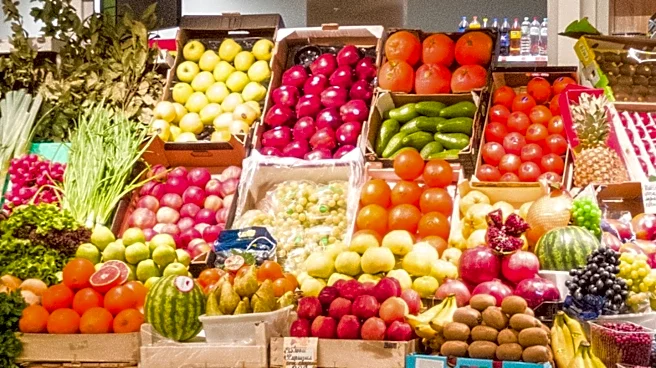
Dole plc continues its operations as a prominent global producer, marketer, and distributor of fresh fruits and vegetables. The company's extensive product range includes bananas, pineapples, berries, grapes, salads, and various other fresh and packaged
produce, sold under the Dole brand and through private-label agreements. Dole's business model encompasses the entire fresh-produce value chain, from farming and sourcing to packing, ripening, cold-chain logistics, and both wholesale and retail distribution. The company serves a diverse customer base, including retail grocery and foodservice clients across major markets worldwide, such as North America, Europe, Asia, and Latin America. This global reach is supported by an integrated network of owned farms, grower partnerships, and distribution centers. Dole emphasizes stringent food safety, traceability, and cold-chain management practices to ensure product quality and support perishable logistics. The company also employs seasonal sourcing and regional growing programs to guarantee year-round availability of key products like bananas, pineapples, and packaged salads. Dole plc is publicly traded on the New York Stock Exchange under the ticker DOLE, and its commercial roots trace back to James Dole's Hawaiian pineapple business in the early 20th century.
Why It's Important?
Dole plc's sustained leadership in the fresh produce market is crucial for global food supply chains and consumer access to a wide variety of fresh produce. The company's integrated operations, spanning from cultivation to distribution, play a significant role in ensuring the consistent availability of essential food items across continents. Its emphasis on food safety, traceability, and cold-chain management sets industry standards, contributing to consumer confidence and public health by minimizing risks associated with perishable goods. For the U.S. market, Dole's extensive network means a reliable supply of fresh fruits and vegetables, impacting grocery store shelves and foodservice providers nationwide. The company's strategic focus on brand strength, innovation, and sustainability initiatives also influences broader industry trends, encouraging more responsible sourcing and environmentally conscious practices among competitors. Furthermore, as a publicly traded entity, Dole's performance can reflect the health of the agricultural sector and consumer demand for fresh, healthy foods, offering insights for investors and economic analysts.
What's Next?
Dole plc is expected to continue its strategic focus on expanding global distribution, enhancing product offerings, and maintaining compliance with evolving food-safety and sustainability standards. The company's management priorities include further investments in farming practices, packaging solutions, and supply-chain efficiencies to meet growing consumer demand for convenience, freshness, and responsibly sourced produce. Given its global presence and integrated operations, Dole will likely adapt to changing climate conditions and agricultural regulations, potentially exploring new growing regions or advanced cultivation techniques to ensure consistent supply. The company may also continue to pursue mergers, acquisitions, and global sourcing partnerships to strengthen its international produce platform and market position. Consumers can anticipate a continued emphasis on product innovation, potentially including new varieties of fruits and vegetables or more convenient packaging formats, as Dole responds to evolving dietary preferences and lifestyle trends.
Beyond the Headlines
Beyond its immediate market impact, Dole plc's operations touch upon several deeper implications, particularly concerning global food security, labor practices, and environmental sustainability. The company's vast agricultural footprint and reliance on international supply chains highlight the complexities of feeding a growing global population and the interconnectedness of food systems. Ethical considerations surrounding labor conditions in agricultural production, especially in developing countries where much of Dole's produce is sourced, remain a critical area of scrutiny for large-scale food corporations. Furthermore, Dole's commitment to sustainability initiatives, such as reducing environmental impact, reflects a broader industry shift towards corporate social responsibility. The long-term success of companies like Dole will increasingly depend not only on economic performance but also on their ability to address these complex ethical and environmental challenges, influencing consumer perceptions and regulatory frameworks worldwide. The legacy of James Dole's early 20th-century Hawaiian pineapple business also underscores the historical evolution of global agriculture and its impact on local economies and ecosystems.