



What's Happening?
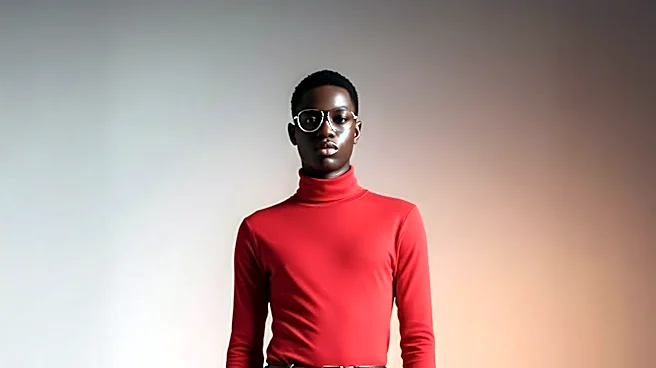
Never Fully Dressed, a fashion brand, has introduced an AI-powered styling experience that allows customers to create digital avatars. This new feature enables users to virtually try on dresses based on their own measurements and receive outfit suggestions.
The brand, known for its use of color, prints, and versatile designs, aims to keep customers engaged through this innovative approach. This move aligns with a broader trend in the fashion industry where brands are leveraging artificial intelligence to enhance customer interaction and streamline marketing efforts. The AI-powered styling experience is designed to mimic the personalized advice one might receive from a friend, making the digital shopping experience more interactive and tailored.
Why It's Important?
The integration of AI and digital avatars in fashion, as demonstrated by Never Fully Dressed, signifies a significant shift in how brands engage with consumers and market their products. This technology offers a cost-efficient and sustainable alternative to traditional fashion events and photoshoots, reducing waste and carbon footprints. For consumers, it provides a highly personalized and immersive shopping experience, potentially increasing satisfaction and reducing returns due to ill-fitting garments. The ability to virtually try on clothes and receive AI-driven styling advice could revolutionize online retail, making it more accessible and appealing. This trend also highlights the growing importance of digital ownership and virtual experiences in the fashion landscape, driven by advancements in 3D modeling and AI.
What's Next?
The adoption of AI-powered styling and digital avatars is expected to expand across the fashion industry. More brands are likely to invest in similar technologies to enhance customer engagement and optimize their marketing strategies. The market for digital fashion, including wearable NFTs and utility NFTs, is projected to grow significantly, driven by the expansion of metaverse platforms and augmented reality in retail. Future developments may include more sophisticated AI models that can generate hyper-realistic avatars and provide even more nuanced styling advice. The increasing consumer interest in digital ownership and virtual fashion shows will likely accelerate these innovations, leading to a more integrated physical and digital fashion experience.
Beyond the Headlines
The rise of digital avatars and AI in fashion raises deeper questions about the nature of identity, representation, and consumer behavior in a digitally augmented world. As virtual models become more prevalent, there's a growing need to distinguish between invented digital performers and digital replicas of real people, as highlighted by emerging regulations like New York's Synthetic Performer Disclosure Law. This technology could also democratize fashion by allowing a wider range of body types and styles to be represented virtually, moving beyond traditional modeling norms. However, ethical considerations regarding data privacy, algorithmic bias, and the potential for deepfakes will become increasingly important as these technologies evolve and become more sophisticated.