




What's Happening?
Givenchy, a French fashion, accessories, and perfume brand, was founded in 1952 by Count Hubert de Givenchy. The brand quickly established a reputation for its elegant and classic style, blending refinement with lightness. Parfums Givenchy was launched
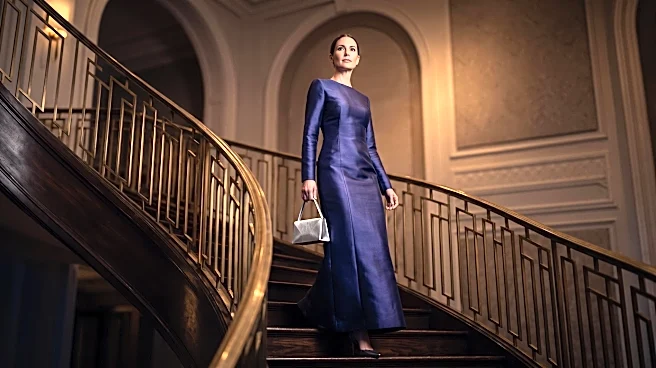
in 1957, introducing its first fragrance, L'Interdit, which was notably inspired by Audrey Hepburn. In 1959, the brand expanded its fragrance line with its first men's scent, Monsieur de Givenchy. Throughout its history, Givenchy has been closely associated with iconic women such as Audrey Hepburn, Grace Kelly, and Jackie Kennedy, solidifying its place in high fashion. More recently, Givenchy Gentleman Society, a men's fragrance, has been highlighted for its blend of floral daffodil and woody accords, featuring top notes of fresh sage and vetiver, and a base of vanilla, sandalwood, and cedarwood. The brand's influence extends beyond haute couture, with its designs and fragrances continuing to be recognized globally.
Why It's Important?
Givenchy's enduring presence in the fashion and fragrance industries highlights the lasting impact of classic design and strategic brand association. Its early connection with Hollywood and political figures like Audrey Hepburn and Jackie Kennedy helped establish a benchmark for luxury and sophistication, influencing consumer perceptions of high-end brands. The brand's ability to maintain relevance through new product launches, such as Givenchy Gentleman Society, demonstrates its adaptability in a competitive market. This continuous innovation, while staying true to its core aesthetic, is crucial for maintaining market share and attracting new generations of consumers. The brand's success also underscores the economic significance of the luxury goods sector, contributing to global trade and employment, particularly in design, manufacturing, and retail. Givenchy's legacy serves as a case study for how heritage brands can evolve without losing their foundational identity, impacting trends and consumer spending in the U.S. and internationally.
What's Next?
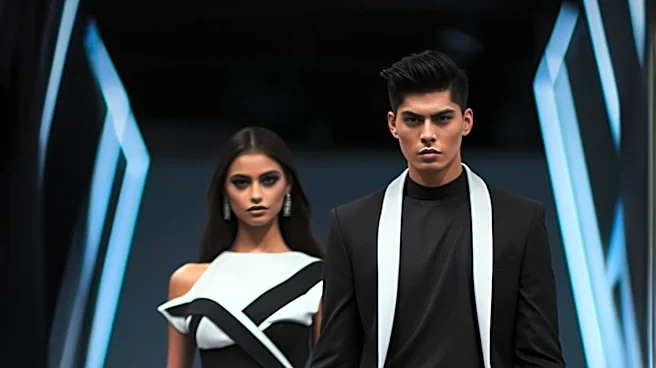
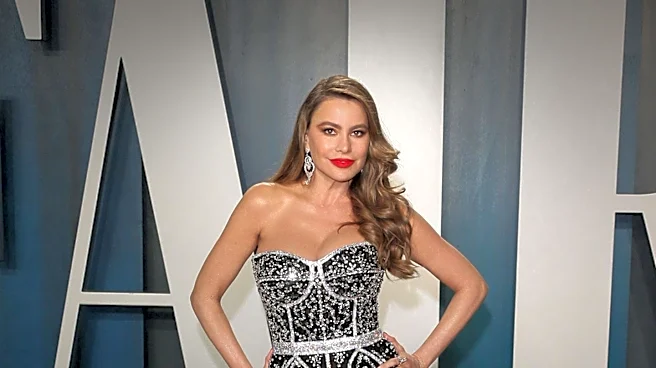
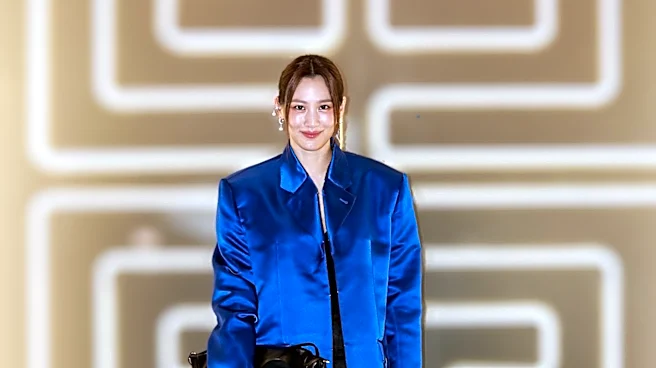
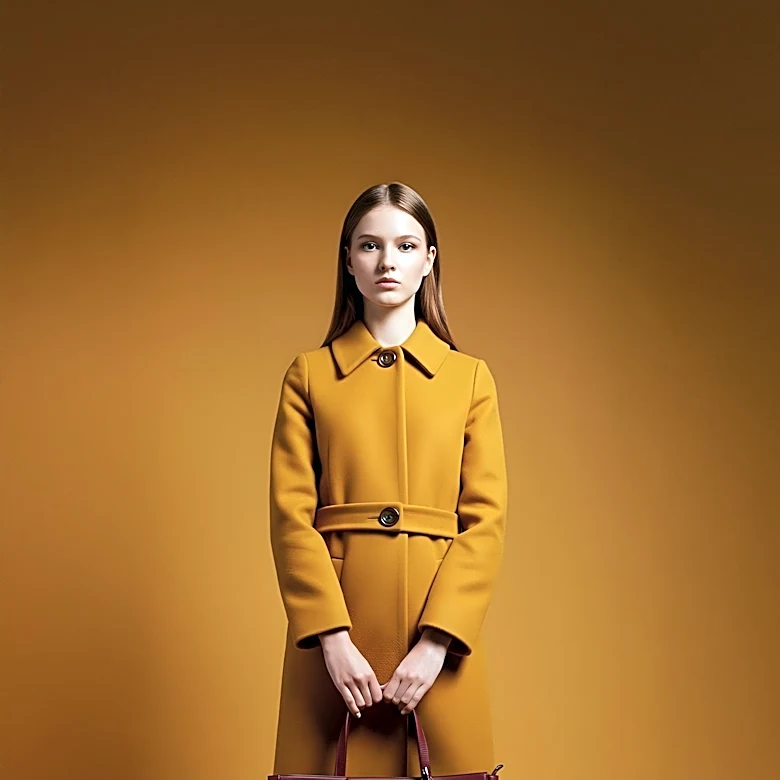
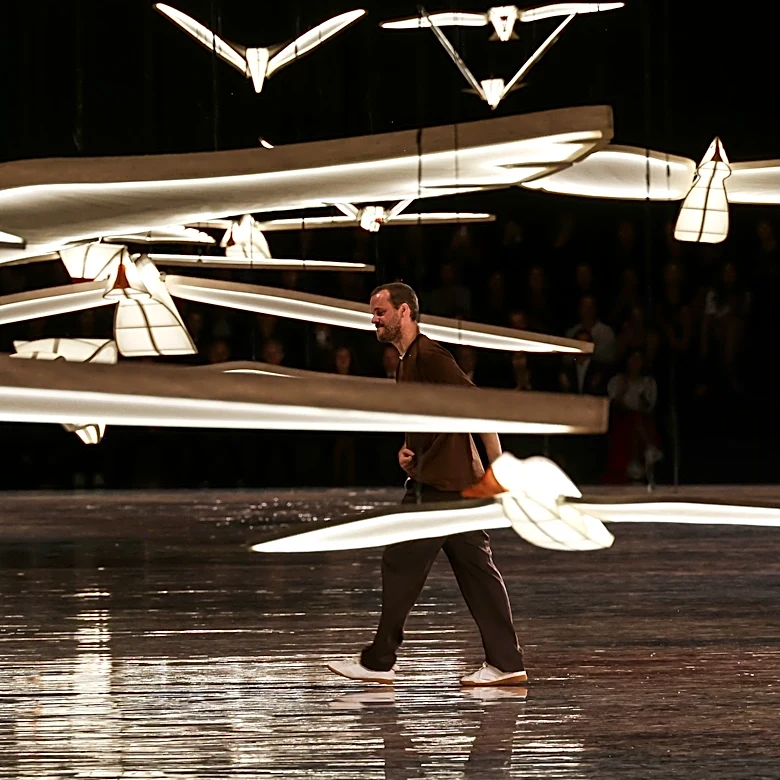
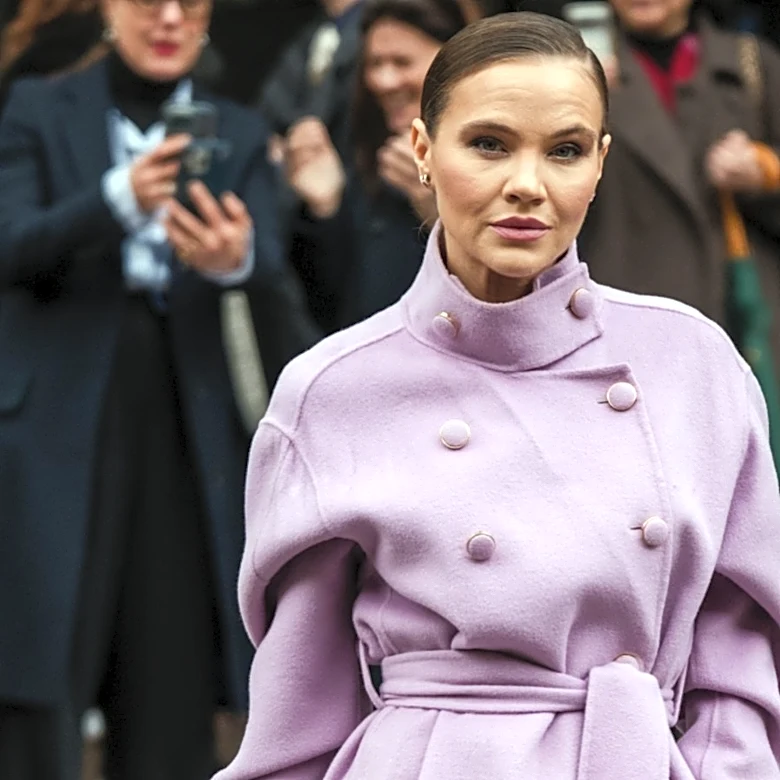
Givenchy is expected to continue its trajectory of blending classic elegance with contemporary trends, particularly in its fragrance and fashion lines. The brand's ongoing participation in major fashion events, such as Paris Fashion Week, will likely showcase new collections that further define its artistic direction. There will be continued emphasis on developing new fragrances, like the recently highlighted Givenchy Gentleman Society, to capture evolving consumer preferences in the beauty market. Collaborations with celebrities and influencers are also probable, aiming to maintain visibility and appeal to a broader demographic. Givenchy's strategy will likely involve leveraging its rich heritage while embracing modern design elements and sustainable practices, which are increasingly important to consumers. The brand will also focus on expanding its global retail presence and e-commerce capabilities to reach a wider audience, ensuring its continued influence in the luxury market.
Beyond the Headlines
Givenchy's journey from its founding to its current status reflects broader shifts in the luxury industry, particularly the evolution of brand identity and consumer engagement. The brand's early success was significantly tied to its association with cultural icons, illustrating the powerful role of celebrity endorsement in shaping brand perception long before the age of social media. This historical context highlights how luxury brands cultivate an aura of exclusivity and aspiration. Furthermore, Givenchy's expansion into fragrances demonstrates a common strategy among fashion houses to diversify revenue streams and make luxury more accessible to a wider consumer base. The brand's commitment to a blend of classic and modern aesthetics also speaks to the ongoing challenge for heritage brands to innovate while preserving their core values. This balance is crucial for navigating changing consumer tastes and maintaining relevance in a rapidly evolving global market, influencing how other luxury brands approach their own development and marketing strategies.