
What's Happening?
Oura, the company behind the smart ring, has announced a five-year partnership with the USTA and the US Open, becoming an official sponsor and wearable fitness device partner. This collaboration aims to
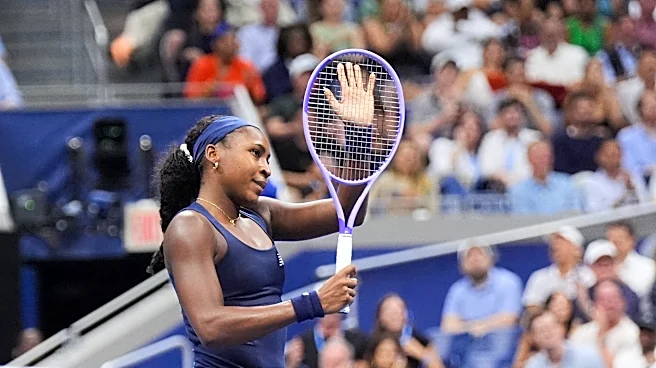
enhance player health tracking and improve overall player fitness, particularly given the extensive travel demands on professional tennis players. The announcement coincides with American tennis player Taylor Fritz joining Coco Gauff as an Oura ambassador. This expansion follows a significant decision to permit health analytical devices on a trial basis at Grand Slam tournaments. Earlier in the year, devices like WHOOP bands were initially disallowed at the Australian Open, despite ATP and WTA tour approvals. However, after player advocacy, Roland Garros and Wimbledon successfully trialed the technology, paving the way for Oura's increased presence at the US Open.
Why It's Important?
This partnership signifies a pivotal moment for wearable technology in professional sports, particularly within the U.S. tennis landscape. The USTA and US Open's endorsement of Oura legitimizes the use of advanced health analytics for elite athletes, potentially setting a precedent for other major U.S. sports leagues and organizations. For U.S. athletes, this means greater access to data-driven insights on sleep, cardiovascular health, and recovery, which can be crucial for injury prevention and performance optimization. The move also highlights a growing recognition within professional sports of the importance of player well-being and long-term health, addressing concerns over career-shortening injuries. Economically, this partnership boosts the visibility and market penetration of wearable tech companies like Oura in the U.S., potentially driving consumer adoption and further investment in sports technology research and development. It also opens new avenues for sports marketing and athlete endorsements, integrating technology more deeply into the narrative of athletic achievement.
What's Next?
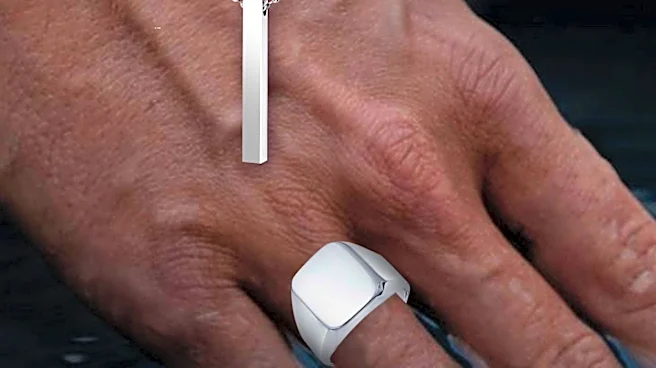
The partnership between Oura, the USTA, and the US Open is set to integrate wearable technology more deeply into professional tennis. Taylor Fritz, as an Oura ambassador, will be wearing his Oura Ring during match play at the US Open, providing valuable data and insights into his performance and recovery under high-pressure conditions. This real-time data collection during competitive play represents a significant step forward, offering a perspective previously unavailable to athletes and coaches. The success of this trial at the US Open could lead to broader acceptance and mandatory use of such devices across Grand Slams and other professional tennis events. Furthermore, the insights gained from monitoring elite athletes could inform future product development for Oura and other wearable tech companies, potentially leading to more sophisticated and tailored health monitoring solutions for both professional athletes and the general public. The focus on metrics like sleep quality, heart rate variability (HRV), and calorie expenditure will likely become standard practice in athlete preparation and recovery protocols.
Beyond the Headlines
The integration of wearable technology into professional tennis, exemplified by Oura's partnership with the US Open, extends beyond mere performance enhancement to touch upon deeper ethical and cultural dimensions. The continuous collection of biometric data from athletes raises questions about data ownership, privacy, and the potential for competitive advantage or disadvantage based on access to and interpretation of this information. There's a fine line between optimizing performance and creating an environment where athletes feel pressured to constantly monitor and adjust their bodies based on data, potentially impacting their mental well-being. Culturally, this trend reflects a broader societal shift towards quantified self and data-driven living, where technology mediates our understanding of our own bodies. The visibility of top athletes using these devices could also influence public perception and adoption, further embedding wearable tech into mainstream health and fitness practices, while also prompting discussions about the authenticity of human performance in an increasingly technologically augmented sporting world.