







What's Happening?
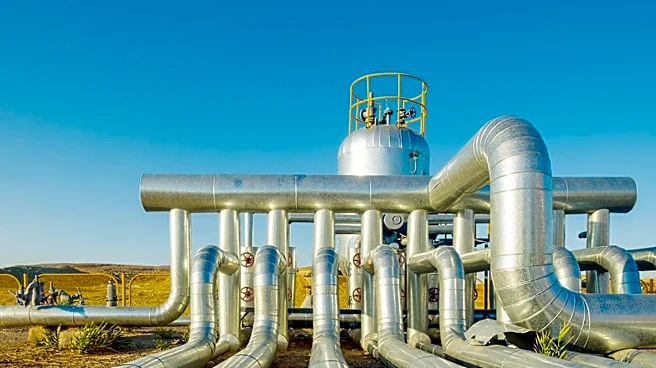
Devon Energy Corporation (NYSE: DVN), an independent oil and gas exploration and production company, has given final approval for a significant natural gas pipeline system. This project will transport Permian Basin volumes to the Texas Gulf Coast. The
initiative is part of Devon Energy's long-standing strategy to own the infrastructure essential for its drilling operations. The venture involves building two large-diameter natural gas pipelines from the Permian Basin to Katy, Texas, near the Houston market. A midstream developer will lead the project, with Devon Energy holding a quarter equity interest alongside other partners, including a large master limited partnership and another Permian producer. The development is planned in phases, with an initial capacity tranche expected to be operational by the end of the decade, followed by a similar expansion the subsequent year. Devon Energy has also secured firm transportation capacity on the system, ensuring its right to move a defined volume of gas.
Why It's Important?
This pipeline project is crucial for Devon Energy and the broader U.S. energy sector, particularly for Permian Basin producers. Historically, oil-directed drilling in the Permian Basin generates substantial associated natural gas, which can lead to regional pricing collapses when pipeline capacity is insufficient. There have been instances where West Texas gas benchmarks traded at negative levels, forcing producers to pay for gas removal. This new infrastructure aims to mitigate such issues by providing reliable takeaway capacity to the liquid Gulf Coast market. By securing firm transportation and an equity stake in the pipeline, Devon Energy protects its oil volumes, as operators have sometimes had to curtail oil production due to gas takeaway limitations. The project also converts a recurring operational cost into an asset, turning a potential vulnerability into a source of value and a partial hedge against market fluctuations.
What's Next?
The initial phase of the pipeline system is slated to become operational towards the end of the decade, with a subsequent expansion planned for the following year. Further growth is possible if demand supports it. Devon Energy's commitment to this infrastructure project signifies a continued focus on integrating its Delaware Basin operations, addressing constraints like water handling and power generation, and now, gas takeaway. The company has already linked a portion of its gas sales to international pricing benchmarks, and this pipeline will further solidify its path from wellhead to export markets. This strategic move is expected to enhance the company's operational efficiency and financial stability by ensuring reliable access to high-demand markets, particularly the expanding cluster of liquefied natural gas export terminals and petrochemical complexes along the Gulf Coast.
Beyond the Headlines
The decision to invest in this pipeline reflects a broader shift in the U.S. energy sector towards capital discipline and integrated infrastructure ownership. While such multi-year projects require significant capital investment and carry construction and permitting risks, they offer long-term benefits by converting operational vulnerabilities into strategic assets. This approach allows producers like Devon Energy to gain greater control over their value chain, reducing reliance on third-party infrastructure and mitigating exposure to regional pricing volatility. The project also highlights the increasing importance of natural gas as a valuable commodity, moving beyond its traditional role as a byproduct of oil drilling. With rising U.S. electricity consumption driven by data centers and industrial electrification, and growing international demand for LNG, securing direct access to Gulf Coast markets positions Devon Energy to capitalize on these evolving energy dynamics.