





What's Happening?
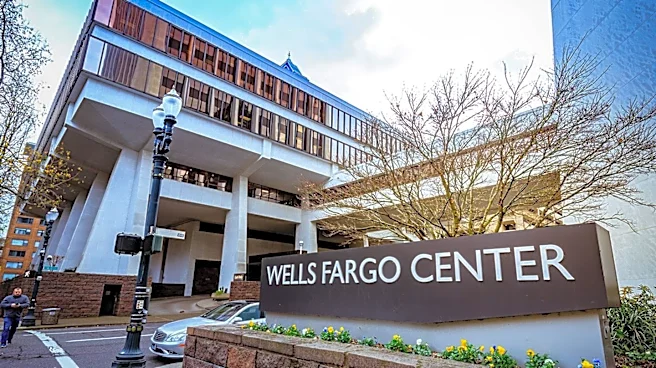
On September 8, 2016, Wells Fargo was collectively fined $185 million by California and federal regulators. The penalties were imposed due to allegations that the bank's employees illegally opened millions of unauthorized accounts for customers. This
widespread practice was reportedly driven by aggressive internal sales goals. The scandal involved employees creating accounts without customer knowledge or consent, often by transferring funds from existing customer accounts or opening new ones using customer information already on file. This allowed employees to meet demanding sales quotas and earn bonuses, while customers were subjected to fees and potential damage to their credit scores from accounts they never authorized. The regulatory action highlighted significant failures in Wells Fargo's internal controls and corporate culture.
Why It's Important?
This event is important because it exposed significant ethical and operational failures within a major U.S. financial institution, Wells Fargo. The $185 million fine, while substantial, underscored the severe consequences of prioritizing aggressive sales targets over customer welfare and regulatory compliance. It led to a broader re-evaluation of sales practices across the banking industry, prompting other financial institutions to review their own incentive structures and oversight mechanisms. For consumers, the scandal eroded trust in large banks and highlighted the importance of diligently monitoring financial accounts. It also spurred increased scrutiny from regulatory bodies, leading to calls for stronger consumer protection laws and more rigorous enforcement against predatory banking practices. The incident served as a stark reminder of the potential for systemic misconduct when corporate culture fosters an environment where employees feel pressured to engage in unethical behavior to meet performance metrics.
What's Next?
Following the 2016 fines, Wells Fargo faced ongoing scrutiny and further penalties from various regulatory bodies. The bank underwent significant leadership changes, including the resignation of its CEO, and committed to overhauling its sales practices and corporate culture. Regulators continued to monitor Wells Fargo's compliance with new mandates and agreements, leading to additional fines and restrictions on its growth. The scandal also triggered numerous lawsuits from affected customers and investors. In the broader banking sector, the incident prompted a re-evaluation of sales incentives and a push towards more customer-centric approaches. Future developments will likely involve continued efforts by Wells Fargo to rebuild trust and demonstrate sustained compliance, as well as ongoing regulatory oversight to prevent similar abuses across the financial industry.
Beyond the Headlines
The Wells Fargo unauthorized accounts scandal revealed deeper systemic issues within the financial industry beyond just one bank's misconduct. It highlighted the ethical dilemmas faced by employees under immense pressure to meet unrealistic sales quotas, raising questions about corporate responsibility and the psychological impact of such environments. The incident also underscored the limitations of existing regulatory frameworks in preventing widespread consumer harm, prompting discussions about the need for more proactive oversight and stronger whistleblower protections. Culturally, it contributed to a growing public distrust of large corporations and reinforced the perception that some financial institutions prioritize profits over ethical conduct. The long-term implications include a potential shift towards more transparent and accountable banking practices, as well as a greater emphasis on consumer education regarding financial product terms and conditions.