





What's Happening?
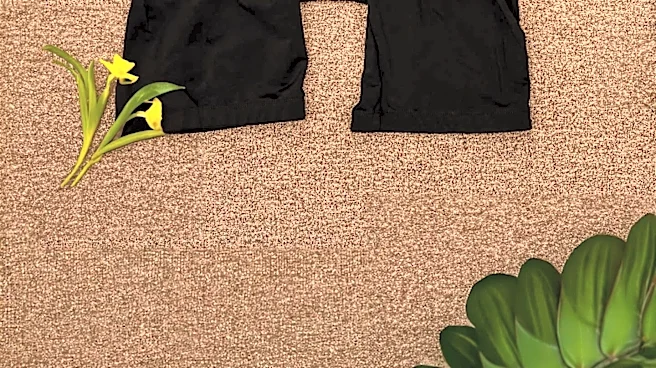
Men's boxer briefs made from bamboo viscose are receiving widespread acclaim for their comfort, breathability, and moisture-wicking properties. Priced around $10 per pair, these plant-based underwear are described by users as feeling 'luxuriously smooth'
and 'like wearing air.' The material, bamboo viscose, is naturally breathable and quick-drying, effectively pulling moisture away from the skin to keep the wearer cool. Reviews highlight the durability, soft texture, and supportive fit of these boxer briefs, with many users noting a significant reduction in chafing. The waistband is designed to fit well without rolling, and the fabric maintains its quality and size after multiple washes. Consumers are opting for these bamboo briefs over traditional synthetic or cotton options, citing them as a 'quiet luxury' that offers daily comfort and performance.
Why It's Important?
The growing popularity of bamboo viscose boxer briefs in the U.S. market signifies a shift in consumer preferences towards sustainable, plant-based materials in everyday apparel. This trend impacts the textile industry by increasing demand for eco-friendly alternatives to conventional fabrics like cotton and polyester. For consumers, it offers a product that addresses common comfort issues such as chafing and poor breathability, particularly relevant for individuals with active lifestyles or those working in demanding conditions. The affordability of these briefs, at approximately $10 per pair, makes this sustainable and high-performance option accessible to a broader market, potentially driving further innovation and competition in the underwear segment. This also highlights a broader consumer awareness regarding material science and its direct impact on personal comfort and well-being.
What's Next?
The success of bamboo viscose in boxer briefs could lead to its increased adoption in other apparel categories, such as t-shirts, socks, and activewear, as manufacturers seek to capitalize on consumer demand for comfort and sustainability. Retailers may expand their offerings of bamboo-based products, and more brands might enter the market, leading to greater competition and potentially more innovative designs. Research and development in plant-based textiles could accelerate, exploring other natural fibers with similar or enhanced properties. Consumers can expect to see a wider variety of eco-friendly and performance-oriented undergarments and clothing options in the coming years, further solidifying the trend towards sustainable fashion choices.
Beyond the Headlines
The embrace of bamboo viscose in intimate apparel reflects a deeper cultural shift towards valuing both personal comfort and environmental responsibility. Consumers are increasingly scrutinizing the materials in their clothing, moving beyond mere aesthetics to consider the functional benefits and ecological footprint of their purchases. This trend challenges the dominance of synthetic fibers, which often come with environmental concerns related to production and disposal, and traditional cotton, which can be resource-intensive. The 'quiet luxury' aspect of these briefs suggests that consumers are willing to invest in everyday items that enhance their quality of life through superior comfort and performance, even if these items are not outwardly visible. This signals a maturation of the sustainable fashion movement, where eco-conscious choices are no longer niche but are becoming integrated into mainstream consumer expectations for quality and value.