



What's Happening?
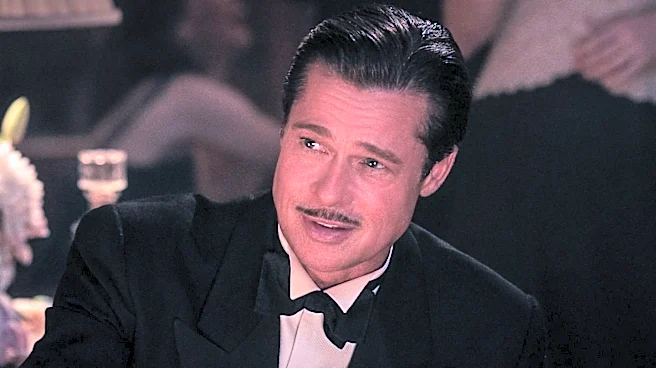
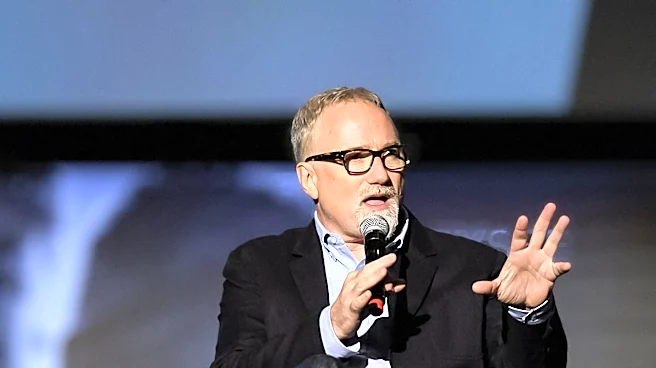
Director David Fincher disclosed that actor Brad Pitt previously turned down a film Fincher considers his 'scariest movie ever,' stating Pitt felt neither he nor the world was ready for it. This revelation came during an interview on The Big Picture podcast,
where Fincher also discussed their ongoing professional relationship and a potential animated project. The two have a long history of collaboration, including their recent reunion for 'The Further Mis-Adventures Of Cliff Booth.' Fincher mentioned that he and Pitt are constantly looking for opportunities to work together, with Pitt often being the first actor Fincher approaches for new projects. Despite their close working relationship and friendship, not all of Fincher's pitches have been to Pitt's taste, leading to Pitt declining certain roles, including the aforementioned horror film. Fincher also expressed interest in exploring a highly stylized animated film with Pitt, where Pitt would provide both voice and physical performance using a performance capture technique distinct from traditional motion capture or photo-roto.
Why It's Important?
This insight into the creative dynamics between David Fincher and Brad Pitt highlights the selective nature of high-profile collaborations in Hollywood. For film enthusiasts and industry observers, understanding why a project deemed 'the scariest movie ever' by a director of Fincher's caliber was rejected by a star like Pitt offers a rare glimpse into the decision-making processes that shape major film productions. The potential animated film project is significant as it indicates a continued push towards innovative filmmaking techniques, particularly in animation and performance capture. Fincher's previous work on Netflix's 'Love, Death & Robots' and his comments on the future of filmmaking technology suggest a broader industry trend towards integrating advanced digital methods. This could influence future animation styles and production pipelines, potentially setting new benchmarks for how actors' performances are translated into animated characters. The ongoing partnership between Fincher and Pitt, even with creative disagreements, underscores their mutual respect and desire to push artistic boundaries.
What's Next?
While the 'scariest movie ever' remains unmade with Pitt, the discussion around a potential animated film suggests a future collaboration in a new medium. Fincher's interest in performance capture and stylized animation indicates a possible direction for his upcoming projects, potentially influencing how other filmmakers approach animation. The success of 'The Further Mis-Adventures Of Cliff Booth' may further solidify their working relationship, encouraging them to pursue more experimental ventures. The industry will likely watch for any developments regarding their animated project, as it could signal a significant shift in how high-profile actors engage with animation technology. The continued dialogue between Fincher and Pitt, as described by Fincher, suggests that more collaborations, whether live-action or animated, are likely in the pipeline, keeping their fans and the film industry anticipating their next move.
Beyond the Headlines
The revelation about the 'scariest movie ever' touches upon the psychological and cultural readiness for certain types of cinematic content. Pitt's reluctance to engage with a film he deemed too intense for himself and the world raises questions about the boundaries of horror and the responsibility of filmmakers and actors in presenting disturbing themes. This also reflects on the evolving tastes of audiences and the market's capacity for extreme content. Furthermore, Fincher's embrace of performance capture for a highly stylized animated film points to a broader artistic exploration of digital tools. This approach could blur the lines between live-action and animation, offering new avenues for storytelling and character development that move beyond traditional animation techniques. It highlights a trend where technology is not just a tool for efficiency but a medium for artistic expression, allowing for unique visual styles and performance interpretations that were previously unattainable.