
What's Happening?
Bernie Ecclestone and Dr. Helmut Marko, both retired but still avid followers of Formula 1, have expressed skepticism about the authenticity of overtaking maneuvers in the 2026 F1 season. According to veteran journalist Roger Benoit, the duo, along with
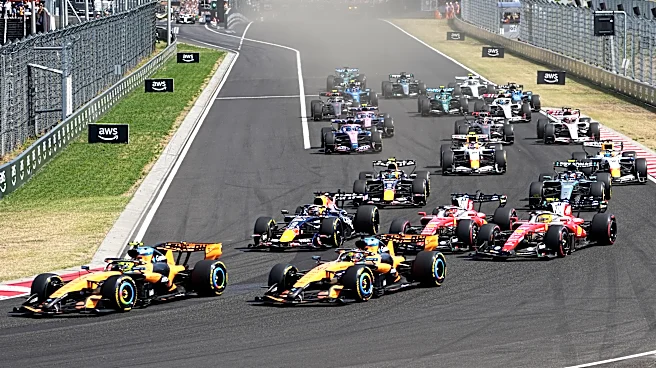
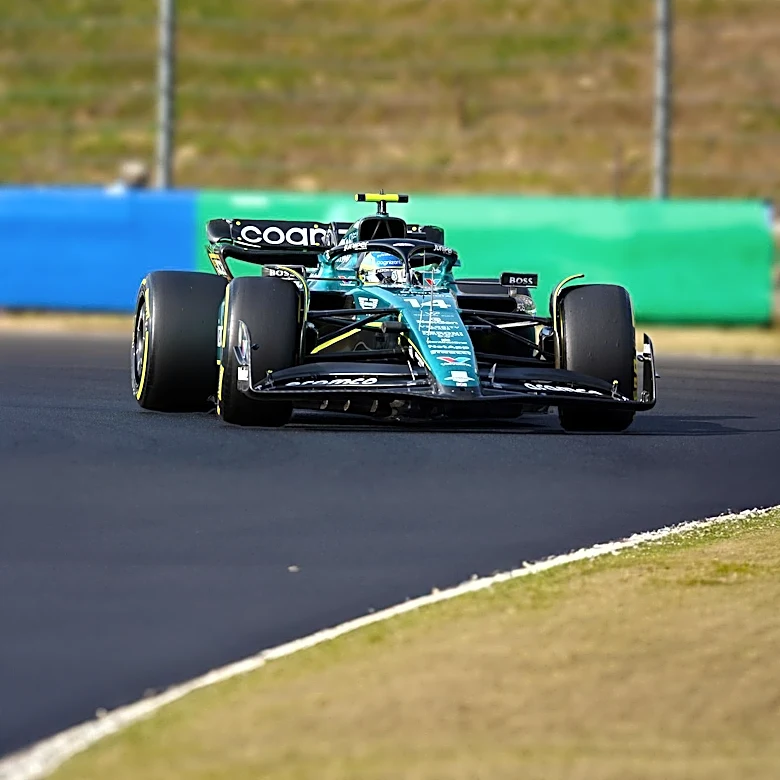
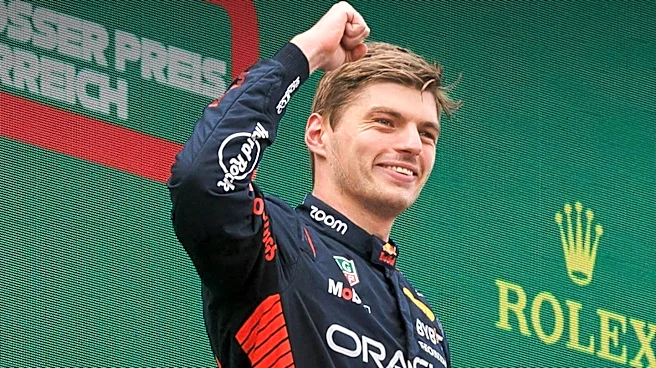
former team owner Peter Sauber, regularly watch practice sessions, qualifications, and races. Marko, a former Red Bull advisor, questions whether the overtakes are genuine racing or merely a result of battery recharge peculiarities under the new hybrid era rules. Despite the excitement these maneuvers generate among fans, Marko suggests that many overtakes occur because the leading car is forced to slow down to recharge its battery. Both Ecclestone and Marko, however, acknowledge the impressive performances of drivers like Kimi Antonelli and Max Verstappen, with Verstappen's recent maneuvers in Hungary being highlighted as a season highlight.
Why It's Important?
The concerns raised by Ecclestone and Marko highlight a significant debate within the F1 community about the impact of technological advancements on the sport's integrity. The hybrid era rules, designed to enhance sustainability and performance, may inadvertently affect the authenticity of racing, potentially altering the competitive landscape. This skepticism could influence future regulatory decisions by F1 authorities, as they balance technological innovation with maintaining the sport's traditional appeal. The views of influential figures like Ecclestone and Marko could sway public opinion and impact the direction of future F1 regulations, affecting teams, drivers, and fans alike.
What's Next?
As the 2026 F1 season progresses, the debate over the authenticity of racing under the new rules is likely to continue. Stakeholders, including teams, drivers, and F1 authorities, may engage in discussions to address these concerns. Potential adjustments to the regulations could be considered to ensure that the sport remains competitive and appealing to its fan base. The performance of drivers like Max Verstappen and Kimi Antonelli will be closely watched, as their success under the current rules could influence the perception of the season's competitiveness.
Beyond the Headlines
The skepticism expressed by Ecclestone and Marko also touches on broader themes of technological influence in sports. As F1 continues to evolve with advancements in hybrid technology, the sport faces the challenge of preserving its core competitive elements while embracing innovation. This situation reflects a wider trend in sports where technology plays an increasingly prominent role, raising questions about the balance between tradition and progress. The outcome of this debate could have long-term implications for how F1 and other sports integrate technology into their competitive frameworks.