



What's Happening?
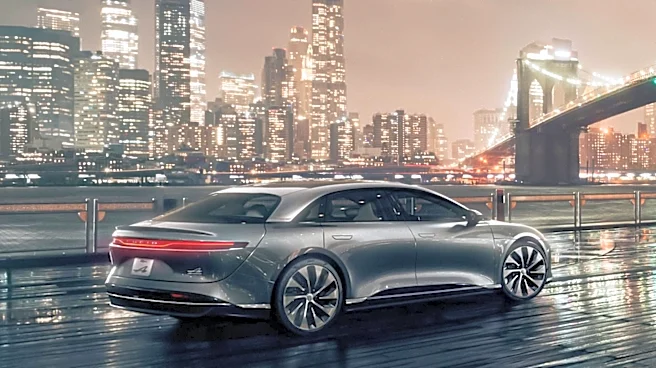
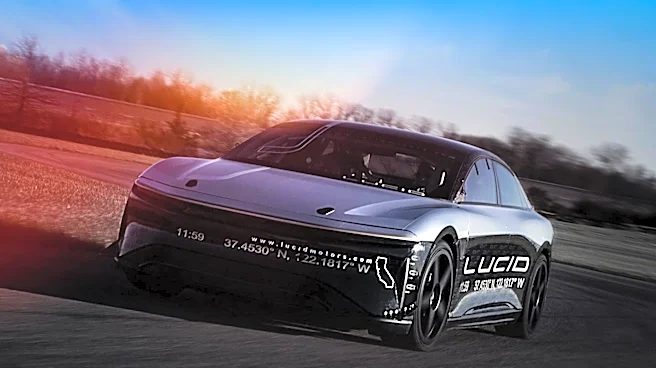
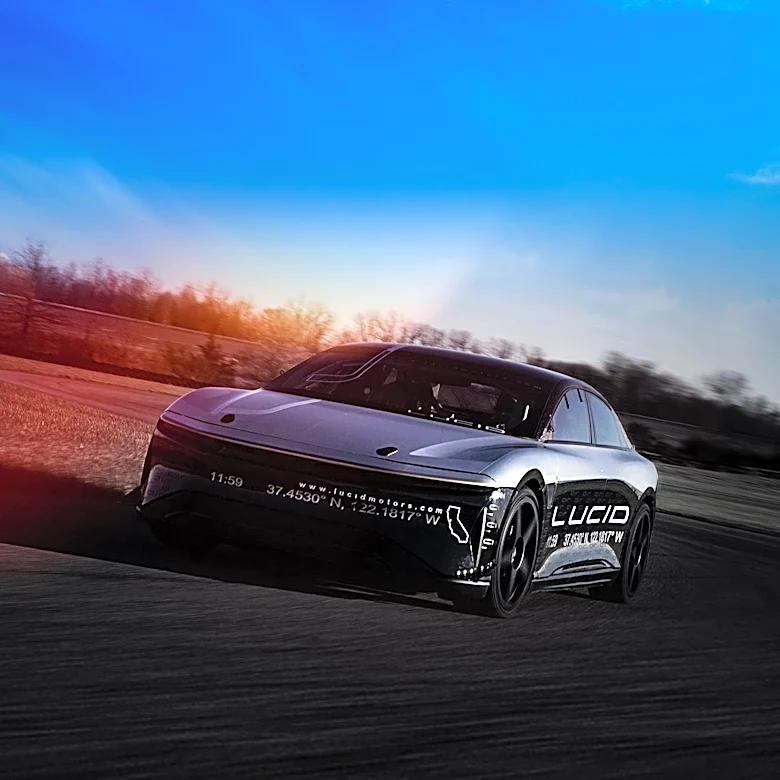
A 2024 Lucid Air Touring owner is seeking advice after their vehicle, with approximately 48,000 miles, sustained what appeared to be minor front-end damage, including a dented hood. The repair estimate for this damage came back at over $22,000, leading
the insurance company to consider declaring the vehicle a total loss. The owner originally paid around $120,000 for the car, but due to significant depreciation, the current market value is estimated to be in the $30,000–$37,000 range. This situation highlights a growing concern among luxury electric vehicle owners regarding high repair costs and rapid depreciation, which can lead to vehicles being totaled for seemingly minor incidents. The owner is now evaluating whether to accept an insurance payout, negotiate the vehicle's value, or consider purchasing another used Lucid Air Touring.
Why It's Important?
This incident underscores a critical challenge within the luxury electric vehicle market: the high cost of repairs and the rapid depreciation of these advanced vehicles. For consumers, a high repair estimate leading to a total loss for minor damage can result in significant financial setbacks, especially when the market value has plummeted. This situation can deter potential buyers from investing in high-end EVs if they perceive a high risk of substantial financial loss in the event of an accident. For the automotive industry, particularly EV manufacturers like Lucid Motors, this trend could impact brand perception and sales. High repair costs are often attributed to specialized components, advanced technology, and limited repair facilities, which can make even small repairs disproportionately expensive. Insurance companies are also affected, as they face higher payouts for repairs or total losses, potentially leading to increased premiums for EV owners.
What's Next?
The owner of the 2024 Lucid Air Touring will need to decide on the best financial course of action. This involves negotiating with the insurance company to ensure a fair market valuation if the vehicle is declared a total loss. They may also explore options for purchasing another lightly used Lucid Air Touring, potentially with fewer miles or in a preferred color, using the insurance payout. This situation could prompt broader discussions within the automotive and insurance industries regarding the repairability and valuation of luxury electric vehicles. It may also lead to increased scrutiny of repair costs for advanced EVs and potentially influence future vehicle designs to make them more cost-effective to repair. Owners of similar vehicles might also begin to assess their insurance coverage and the potential financial implications of accidents more closely.
Beyond the Headlines
The high repair costs and rapid depreciation observed in this case point to deeper systemic issues within the evolving electric vehicle ecosystem. The advanced technology and specialized materials used in luxury EVs, while offering performance benefits, often come with a premium on repair. This creates a paradox where cutting-edge vehicles can become economically unviable to repair after relatively minor incidents. This trend could lead to a higher rate of 'totaled' EVs, increasing waste and challenging the sustainability narrative of electric transportation. Furthermore, the significant depreciation of these vehicles raises questions about their long-term value retention and the financial viability for consumers. This could necessitate new insurance models, standardized repair protocols, and potentially government incentives or regulations to address the economic challenges associated with EV ownership and repair, ensuring that the transition to electric vehicles remains accessible and sustainable for a broader market.