




What's Happening?
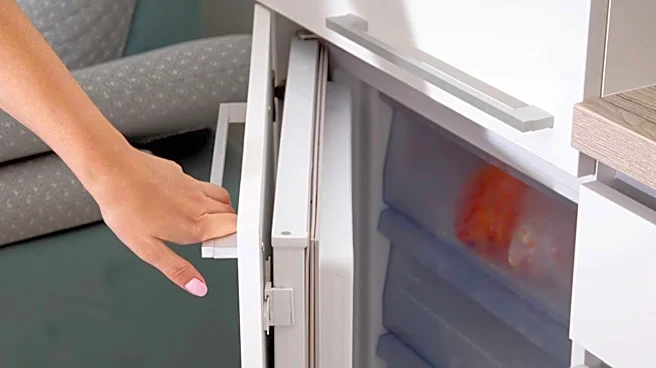
Multifunctional furniture is experiencing a surge in popularity, driven by its capacity to fulfill various roles within limited living spaces. A prime example is the 'Miele Compact Living: Kitchen Unit powered by Hettich' concept study, which demonstrates
how kitchen furniture can integrate cooking, dining, and working functions into a minimal footprint. This innovative design utilizes motorized fittings to adapt the furniture for different uses, transforming it into a workspace, a cooking station, or a social gathering area. The trend is further supported by companies like DreamSofa, which engineers sleeper sofas specifically designed to enhance comfort in smaller homes. This highlights a growing demand for versatile furniture solutions that can seamlessly adjust to diverse needs and spatial limitations.
Why It's Important?
The increasing demand for multifunctional furniture reflects significant shifts in U.S. housing trends and consumer lifestyles. As urban populations grow and housing costs rise, many Americans are opting for smaller living spaces, including apartments, condominiums, and downsized homes. This trend necessitates furniture that maximizes utility without sacrificing comfort or aesthetics. For the furniture industry, this presents a substantial market opportunity for innovation in design and engineering. Companies that can effectively combine functionality, durability, and style in their products stand to gain a competitive edge. Consumers benefit from more efficient use of space, reduced clutter, and potentially lower housing costs due to the ability to live comfortably in smaller residences. This also impacts interior design, promoting creative solutions for optimizing compact environments.
What's Next?
The trajectory for multifunctional furniture points towards continued innovation and integration of technology. Future developments are likely to include more advanced motorized components, smart home connectivity, and modular designs that allow for greater customization and adaptability. We can expect to see a broader range of furniture types incorporating multiple functions, extending beyond living room and kitchen pieces to bedrooms and home offices. Manufacturers will likely invest more in research and development to create materials that are both durable and lightweight, facilitating easier transformation and movement of these pieces. Additionally, as sustainability becomes a greater concern, there may be a focus on eco-friendly materials and production methods for multifunctional furniture, appealing to environmentally conscious consumers.
Beyond the Headlines
The rise of multifunctional furniture extends beyond mere practicality; it signifies a cultural shift towards minimalism and efficient living in the U.S. This trend challenges traditional notions of home design, where each piece of furniture typically serves a single purpose. It encourages a more thoughtful approach to consumption, where quality and versatility are prioritized over quantity. Ethically, this movement could lead to reduced waste as consumers buy fewer, more adaptable items. Legally, there might be implications for building codes and rental agreements, as smaller, more flexible living spaces become common. Culturally, it fosters a greater appreciation for clever design and resourcefulness, potentially influencing how Americans perceive and utilize their personal spaces in the long term.