
What's Happening?
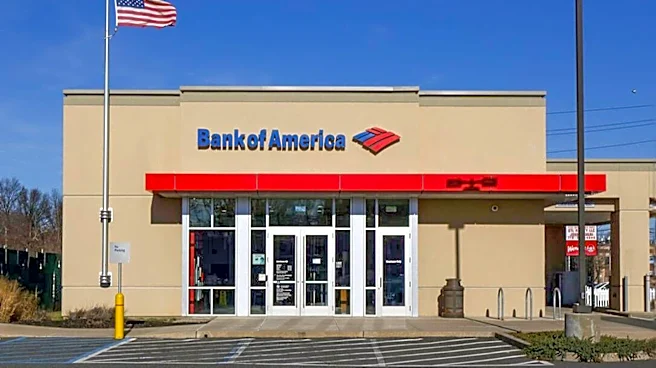
On Monday, November 16, 2026, customers of several prominent U.S. banks reported significant issues accessing their online accounts. Chase Bank, Bank of America, Wells Fargo, and US Bank were among the financial
institutions affected by these disruptions. Users across the country experienced difficulties with online banking services, including logging in, checking balances, and conducting transactions. The exact cause of these widespread outages was not immediately detailed by the banks involved. These disruptions impacted a large number of customers who rely on digital platforms for their daily financial management, leading to inconvenience and potential delays in critical banking activities.
Why It's Important?
Widespread online banking service disruptions at major U.S. financial institutions carry significant implications for both consumers and the broader economy. For individual customers, the inability to access funds or manage accounts digitally can cause immediate financial stress, impacting bill payments, urgent transfers, and daily budgeting. Businesses, particularly small enterprises reliant on online banking for transactions and payroll, can face operational halts and revenue losses. Such outages also erode public trust in digital banking systems, potentially pushing some consumers back towards less efficient, traditional banking methods. From a systemic perspective, these disruptions highlight vulnerabilities in critical financial infrastructure, raising concerns about cybersecurity, system resilience, and the potential for broader economic instability if outages are prolonged or more frequent. The incident underscores the increasing dependence on digital platforms for financial services and the need for robust, uninterrupted service.
What's Next?
Following the reported online banking disruptions, the affected financial institutions, including Chase Bank, Bank of America, Wells Fargo, and US Bank, will likely conduct thorough internal investigations to identify the root cause of the outages. Customers can expect official communications from these banks regarding the incident, potentially including apologies and explanations for the service interruptions. In the short term, banks will focus on restoring full functionality and ensuring system stability. Regulators may also initiate inquiries into the incidents to assess compliance with operational resilience standards and to identify any systemic vulnerabilities. In the long term, these events could prompt increased investment in IT infrastructure, cybersecurity measures, and disaster recovery protocols across the banking sector to prevent future occurrences and enhance the reliability of online banking services.
Beyond the Headlines
The recent online banking disruptions at major U.S. banks underscore a critical societal reliance on digital financial infrastructure, revealing deeper implications beyond immediate inconvenience. This event highlights the growing digital divide, where individuals without reliable internet access or digital literacy are further marginalized when traditional banking services are also impacted or when digital becomes the primary mode of interaction. Ethically, these outages raise questions about corporate responsibility in maintaining essential services, especially given the critical role banks play in daily life. Legally, such disruptions could trigger regulatory scrutiny regarding service level agreements, data security, and consumer protection. Culturally, these incidents contribute to a broader narrative about the fragility of modern technological systems, potentially fostering a sense of unease about over-reliance on digital platforms for fundamental services and prompting discussions about the need for robust, redundant systems in an increasingly interconnected world.