







What's Happening?
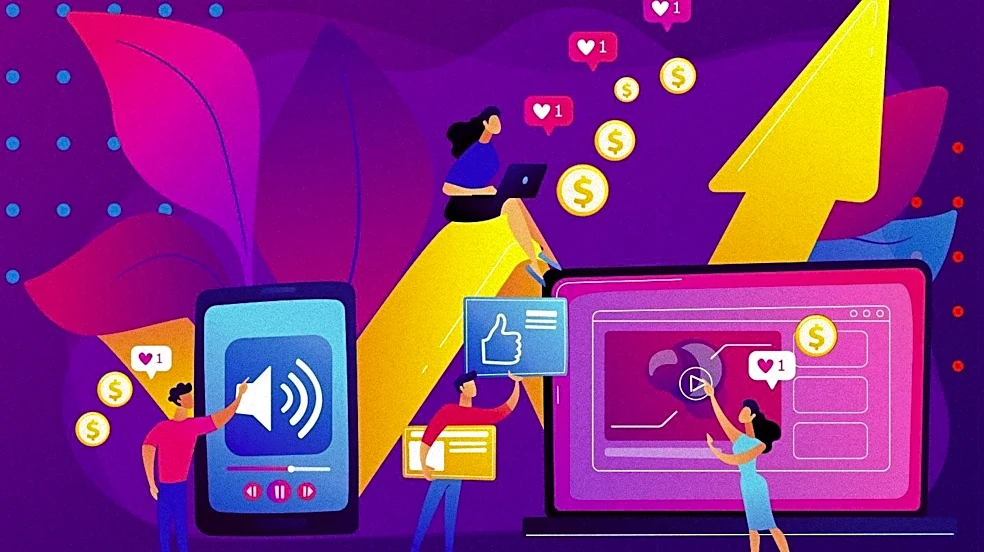
B2C loyalty programs are moving beyond simple discount models to become strategic tools for customer acquisition, engagement, and revenue protection. These programs reward individual consumers for repeat purchases and brand engagement through various
mechanisms like points, status, credit, or perks. Unlike traditional discount programs that target single transactions, loyalty programs aim to foster a sustained pattern of behavior over time. Key types of B2C loyalty programs include points programs, tiered programs, paid memberships, referral programs, gamified programs, and cashback/store credit. The effectiveness of these programs is measured by their ability to influence subsequent customer orders, rather than just the immediate purchase. Telecom operators, for instance, are increasingly investing in these programs, recognizing their potential to gather extensive personal data, which necessitates clear and informed consent from members. Advanced analytics are now being utilized to identify customers likely to make repeat purchases and to tailor campaigns accordingly.
Why It's Important?
The shift in B2C loyalty programs signifies a crucial evolution in how businesses interact with consumers, impacting U.S. industries by fostering deeper brand relationships and driving sustained revenue. By focusing on behavioral patterns rather than one-off discounts, companies can cultivate a more loyal customer base, reducing churn and increasing customer lifetime value. The extensive data collection inherent in these programs provides businesses with invaluable insights into consumer preferences and purchasing habits, enabling highly personalized marketing strategies. This data-driven approach can lead to more efficient marketing spend and improved customer satisfaction. For consumers, these programs offer tangible rewards and a sense of belonging to a brand community, potentially influencing their purchasing decisions and brand allegiance. However, the increased collection of personal data also raises important considerations regarding data privacy and the need for transparent consent, impacting regulatory frameworks and consumer trust in the U.S. market.
What's Next?
The future of B2C loyalty programs will likely see continued innovation in personalization and data utilization. Businesses are expected to further integrate advanced analytics and artificial intelligence to predict customer behavior and offer highly customized rewards and experiences. This could involve dynamic pricing based on individual loyalty tiers, personalized product recommendations, and exclusive access to services or events. The emphasis on data privacy and ethical data handling will also intensify, potentially leading to new industry standards or regulations to ensure consumer trust. Furthermore, the integration of loyalty programs across various channels, including online and in-store experiences, will become more seamless, providing a unified customer journey. Companies will also focus on optimizing the 'cost of reward' by carefully balancing nominal reward rates with actual redemption rates to ensure program profitability and sustainability.
Beyond the Headlines
Beyond the immediate business implications, the evolution of B2C loyalty programs touches upon deeper societal and ethical considerations. The increasing sophistication of data collection and analysis raises questions about consumer autonomy and the potential for manipulative marketing practices. While personalized rewards can enhance customer experience, they also create a digital footprint that could be used in ways not immediately apparent to the consumer. The psychological impact of gamified loyalty programs, designed to encourage specific behaviors, warrants examination, particularly concerning their influence on purchasing habits and potential for fostering compulsive consumption. Moreover, the competitive landscape among businesses will intensify as loyalty programs become a primary battleground for customer retention, potentially leading to an arms race in reward offerings and data-driven strategies. This could further entrench market leaders who have the resources to invest in advanced loyalty infrastructure, while smaller businesses might struggle to compete.