





What's Happening?
Marriott International and IOI Properties Group (IOIPG) have expanded their partnership by signing agreements to develop four new hotels in Malaysia. These new developments will add 888 rooms across Marriott's Ritz-Carlton, W Hotels, and Aloft by Marriott brands.
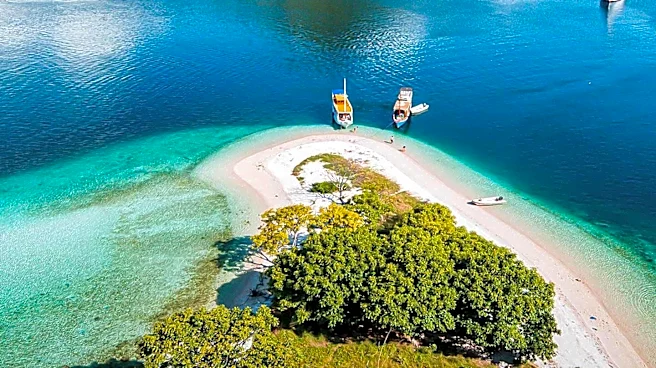
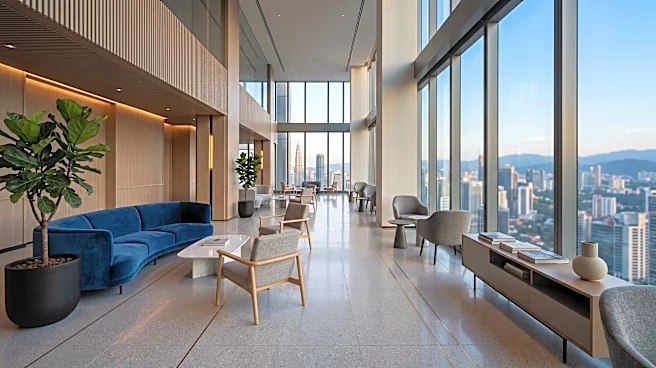
The planned hotels include the 173-room W Langkawi, scheduled to open in 2030 on Pantai Kok, marking the brand's debut on the island. Additionally, The Ritz-Carlton, Putrajaya, a 215-room property, is slated for 2032 as part of a 70-story mixed-use tower within the third phase of IOI Resort City. Two 250-room Aloft properties are also part of the plan: Aloft by Marriott Sepang, expected to open in 2030 as part of a 16-hectare mixed-use development in Kota Warisan, and Aloft by Marriott Johor Bahru Plentong, also scheduled for 2030, which will be part of the IOI @ Plentong mixed-use development and introduce the brand to Johor Bahru. These new projects build upon Marriott's existing management of seven IOIPG-owned properties in Malaysia, including The Westin Puchong, set to open in 2031.
Why It's Important?
This significant expansion by Marriott International in Malaysia underscores the country's growing importance as a market for international hospitality brands. The development of nearly 900 new hotel rooms across luxury and lifestyle segments indicates a strong belief in the future growth of Malaysia's tourism and business travel sectors. The introduction of brands like W Langkawi and Aloft by Marriott in new locations suggests a strategic effort to capture diverse market segments, from high-end leisure travelers to corporate and meetings demand. For IOI Properties Group, this partnership strengthens its position in the hospitality sector and enhances the value of its mixed-use developments by integrating globally recognized hotel brands. The projects are expected to create numerous job opportunities in construction, hospitality, and related services, contributing to local economies in areas like Langkawi, Putrajaya, Sepang, and Johor Bahru. The increased hotel capacity and brand diversity could also attract more international visitors and business events, further boosting Malaysia's tourism revenue and global profile.
What's Next?
The newly announced hotels are scheduled to open between 2030 and 2032. The W Langkawi is expected to open in 2030, followed by The Ritz-Carlton, Putrajaya in 2032. Both Aloft by Marriott Sepang and Aloft by Marriott Johor Bahru Plentong are also slated for 2030. Over the next few years, construction and development will proceed on these sites. Marriott International and IOI Properties Group will likely focus on the detailed planning, design, and execution phases of these projects. As these hotels approach their opening dates, there will be recruitment drives for staff, marketing campaigns to attract guests, and efforts to integrate these new properties into the local tourism and business ecosystems. The success of these ventures could pave the way for further collaborations between Marriott and IOIPG, potentially leading to more hotel developments in Malaysia or other markets in the Asia-Pacific region, as indicated by Rajeev Menon, president, Asia-Pacific excluding China, Marriott International, who highlighted Malaysia as an important growth market.
Beyond the Headlines
The expansion of international hotel chains like Marriott in Malaysia reflects broader trends in global tourism and economic development. It signifies a growing confidence in Southeast Asia's long-term economic stability and its appeal as a travel destination. The strategic placement of these hotels within mixed-use developments, such as IOI Resort City and IOI @ Plentong, suggests an integrated approach to urban planning, where hospitality, residential, and commercial spaces are designed to complement each other. This trend can lead to the creation of new economic hubs and enhance the overall infrastructure and attractiveness of these regions. Furthermore, the introduction of diverse brands caters to evolving consumer preferences, from luxury experiences to more accessible, tech-forward accommodations. This diversification can help Malaysia attract a wider range of tourists and business travelers, fostering a more resilient and dynamic tourism industry that is less reliant on a single market segment. The long-term impact could include increased foreign investment, enhanced cultural exchange, and the development of a more sophisticated service economy.