


What's Happening?
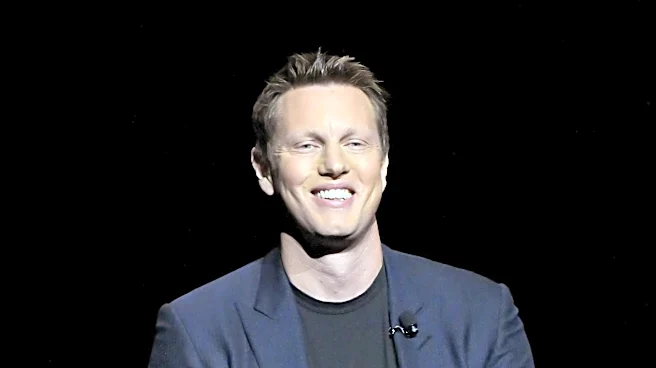
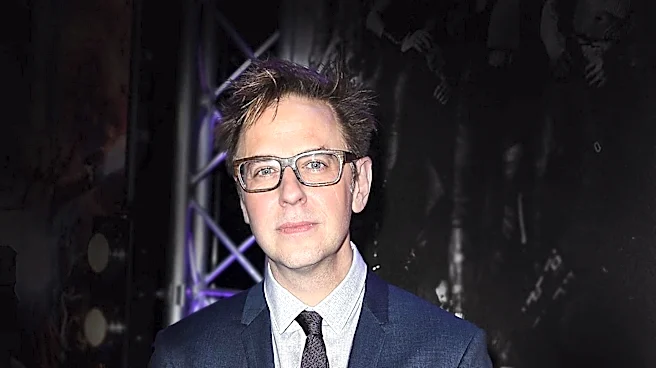
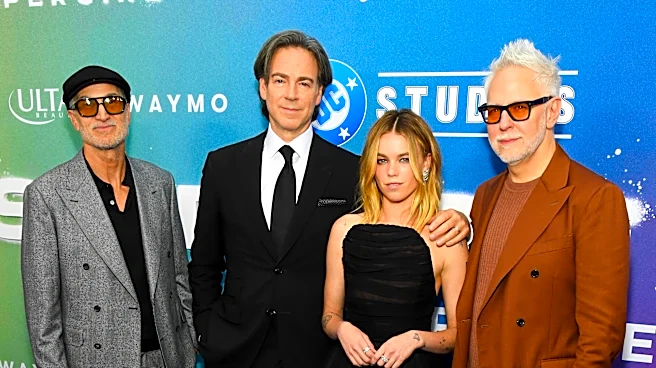
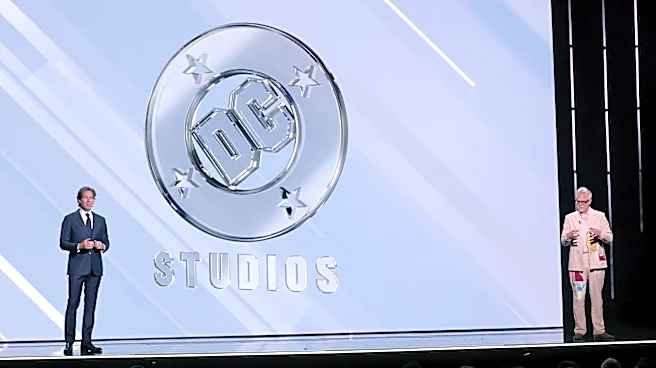
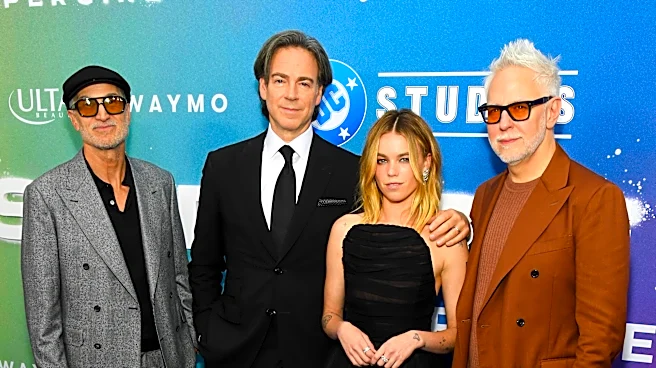
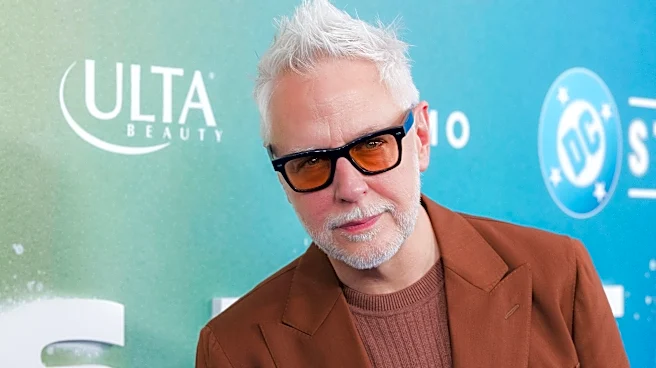
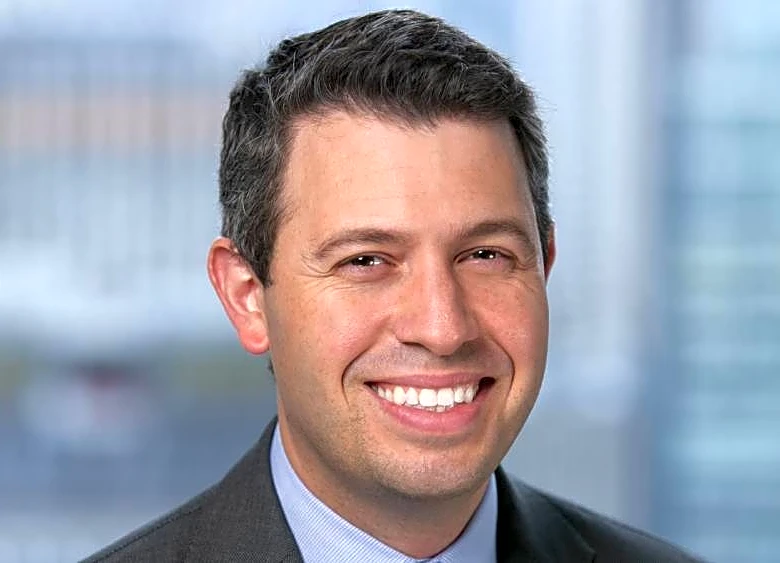
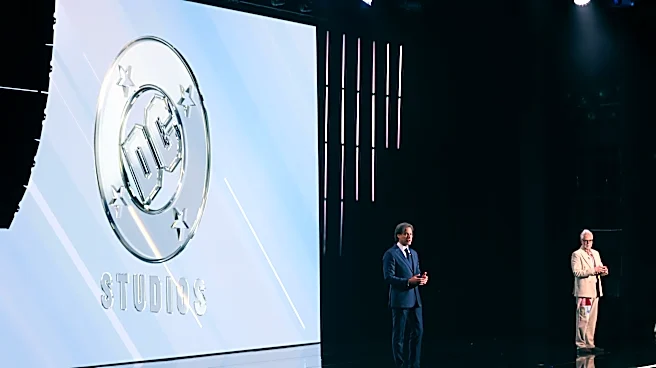
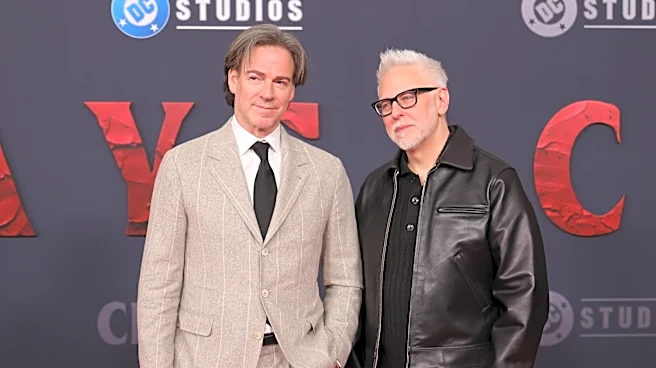
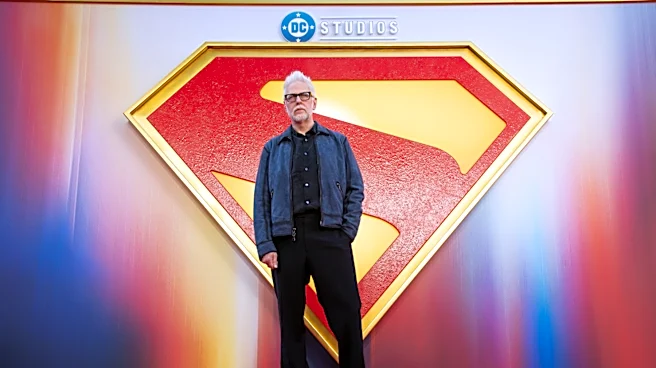
Skydance has confirmed the departure of DC Studios co-CEOs James Gunn and Peter Safran, with former Marvel Studios executive Jeremy Latcham taking direct control of DC. This reshuffle casts doubt on the future of the DC Universe that Gunn was two years
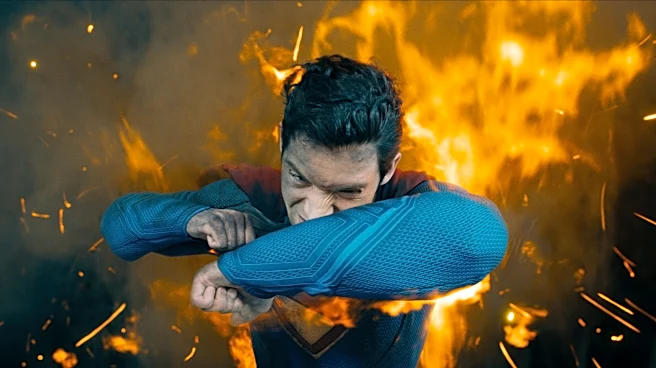
into rebooting. According to The Hollywood Reporter, the exit was due to a combination of studio politics, the DCU's box office struggles, and Skydance boss David Ellison's desire for movies more aligned with his tastes. Skydance reportedly felt that the DCU's box office returns, including 'Superman's' $618 million, were insufficient for pop culture impact, especially after 'Supergirl' grossed only $126.4 million worldwide. Gunn had reportedly planned multiple Superman movies and a potential Justice League franchise, but these plans are now uncertain.
Why It's Important?
This leadership change at DC Studios signifies a major shift in the direction of one of Hollywood's most prominent superhero franchises. The reported dissatisfaction with box office performance, even for a film like 'Superman' that grossed over $600 million, indicates a high bar for success in the current cinematic landscape. This move could lead to a complete re-evaluation of the DCU's creative strategy, potentially impacting numerous planned films and series. For fans, it raises questions about the continuity and vision of beloved characters. For the industry, it highlights the intense pressure on studios to deliver massive financial returns and broad cultural impact, even for established intellectual properties, and the constant struggle between creative vision and corporate expectations.
What's Next?
With Jeremy Latcham now at the helm, the future of the DC Universe is uncertain. It is likely that Skydance will re-evaluate the existing slate of projects, including the planned Batman movie, 'The Brave and the Bold,' and any future Superman films. Latcham may introduce a new creative direction that aligns more closely with David Ellison's preferences, potentially leading to significant changes in casting, tone, and storytelling. Fans of Zack Snyder's DCEU have already called for its return, but there is no indication Skydance will pursue that path. The immediate focus will likely be on assessing current productions and developing a new long-term strategy to improve box office performance and cultural relevance for the DC brand.
Beyond the Headlines
The departure of Gunn and Safran underscores the inherent tension between creative autonomy and corporate oversight in major film studios. Despite Gunn's established success and clear vision for the DCU, the ultimate decision rested on financial performance and executive preferences. This situation reflects a broader industry trend where even critically acclaimed or fan-favorite creators can be replaced if box office numbers don't meet ambitious targets. It also highlights the ongoing debate within the superhero genre about what constitutes 'success' – is it critical acclaim, fan satisfaction, or purely financial returns? The constant reshuffling of leadership in major franchises can lead to creative instability, potentially alienating audiences who seek consistent storytelling and character development over time.