





What's Happening?
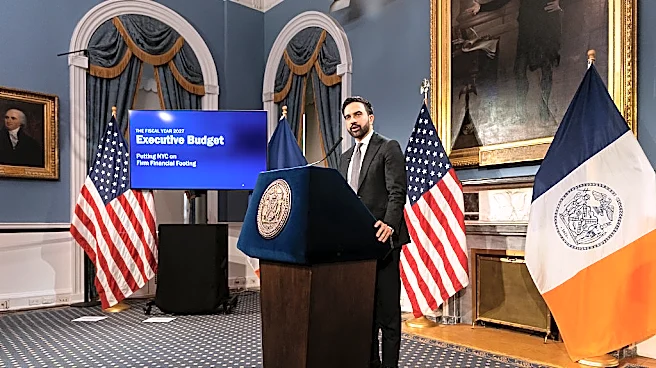
New York City's new pied-à-terre tax, part of a state budget agreement, targets luxury second homes valued over $1 million. The tax aims to address the city's budget gap by imposing surcharges on properties not used as primary residences. Prominent art collectors
and dealers, including Steven A. Cohen and Larry Gagosian, are among those potentially affected. The tax has sparked debate over its impact on New York's cultural and economic landscape, with concerns about driving wealthy individuals to more tax-friendly locations. The city released a database identifying properties subject to the tax, prompting some owners to seek exemptions.
Why It's Important?
The pied-à-terre tax represents a significant policy shift aimed at generating revenue from the city's wealthiest property owners. Its implementation could influence real estate market dynamics, potentially affecting property values and investment decisions. The tax also highlights broader discussions about wealth distribution and the role of taxation in addressing fiscal challenges. For the art world, the tax raises questions about the sustainability of New York as a cultural hub, as high-profile collectors and dealers may reconsider their presence in the city. The policy's success or failure could inform similar initiatives in other major cities facing budgetary pressures.
Beyond the Headlines
The introduction of the pied-à-terre tax underscores the complex relationship between urban policy and cultural institutions. As cities grapple with financial constraints, balancing revenue generation with maintaining a vibrant cultural scene becomes increasingly challenging. The tax's impact on New York's art market could have ripple effects, influencing the global art industry's dynamics. Additionally, the policy raises ethical considerations about the responsibilities of wealthy individuals in contributing to public goods and services. The debate over the tax may prompt broader reflections on urban governance and the equitable distribution of resources.