




What's Happening?
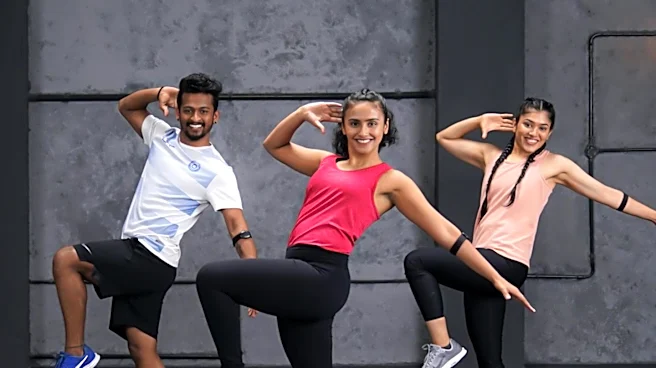
Dance workouts are being recognized for their extensive health benefits, encompassing cardiovascular fitness, muscle strengthening, improved balance, enhanced brain health, and social connection. According to Susan Sloan, a Nia Technique and movement
art educator, dance offers a more holistic and enjoyable fitness package compared to repetitive exercises like running. Dance styles can elevate heart rate to moderate-to-vigorous levels, similar to jogging, while engaging multiple muscle groups for functional strength and muscular endurance. Beyond physical advantages, dancing provides significant cognitive benefits by requiring participants to remember routines, coordinate movements, and respond to music, thereby strengthening neural pathways and enhancing neuroplasticity. This multi-faceted engagement of physical, cognitive, sensory, and emotional functions contributes to improved memory, focus, and mental flexibility, offering a superior defense against cognitive impairments like dementia. Fred Astaire Dance Studios highlights ballroom dancing as an effective low-impact aerobic activity for weight loss and muscle strength, burning between 200-400 calories in thirty minutes, comparable to running or cycling.
Why It's Important?
The growing recognition of dance workouts as a comprehensive health solution has significant implications for public health initiatives and the fitness industry in the U.S. By offering a fun and engaging alternative to traditional exercise, dance can attract a broader demographic, including those who may find conventional workouts monotonous or intimidating. This is particularly important for addressing sedentary lifestyles and promoting physical activity across all age groups, from children to senior citizens, as dance can be adapted to various abilities. The emphasis on cognitive benefits, such as improved memory and reduced risk of dementia, positions dance as a valuable tool for healthy aging, potentially reducing healthcare burdens associated with age-related cognitive decline. For the fitness industry, this trend could lead to increased demand for diverse dance-based fitness programs, fostering innovation in class offerings and instructor training. Furthermore, the social aspect of group dance classes, as noted by Susan Sloan, promotes community and mental well-being, offering a holistic approach to health that extends beyond physical fitness.
What's Next?
The increasing awareness of dance workouts' benefits is likely to drive further integration of dance into mainstream fitness and wellness programs across the U.S. Expect to see more fitness centers, community organizations, and healthcare providers incorporating dance-based activities into their offerings. This could include specialized programs for different age groups and fitness levels, such as beginner-focused classes for weight loss and toning, low-impact cardio for adults, and programs specifically designed for older adults to improve balance and cognitive function. Educational campaigns may also emerge to highlight the dual physical and mental health advantages of dance, encouraging wider participation. Research into the specific neurological and physiological impacts of various dance styles may also expand, providing more evidence-based insights to inform program development. Additionally, the social component of dance suggests a potential for increased community engagement initiatives, leveraging dance as a tool for fostering social connections and combating isolation.
Beyond the Headlines
Beyond the immediate health benefits, the embrace of dance workouts reflects a broader cultural shift towards more enjoyable and holistic approaches to well-being. This trend challenges the traditional perception of exercise as a purely strenuous activity, instead framing it as an opportunity for creative expression, social interaction, and mental stimulation. Ethically, promoting dance as a form of exercise can make fitness more accessible and inclusive, particularly for individuals who may feel alienated by competitive or high-intensity workout environments. The emphasis on cognitive health through dance also highlights a growing societal recognition of the interconnectedness of physical and mental well-being, moving beyond a purely physical definition of fitness. Long-term, this could lead to a re-evaluation of how physical education is taught in schools and how wellness programs are designed in workplaces, integrating elements of joy and creativity alongside physical exertion. The cultural dimension of dance, drawing from various global rhythms and styles, also offers opportunities for cross-cultural understanding and appreciation within fitness communities.