





What's Happening?
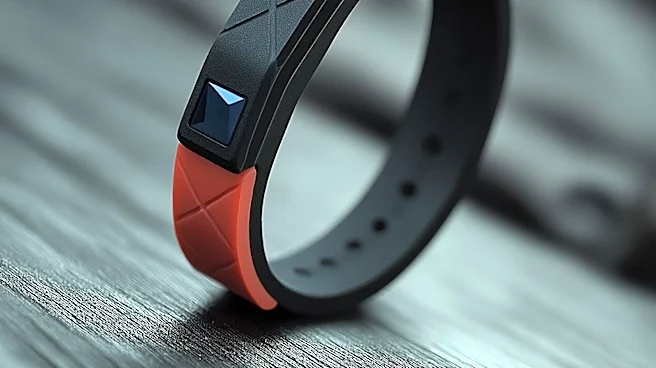
The readiness score, a feature in many wearable fitness devices, is designed to estimate how prepared an individual's body is for physical exertion. This score, also known as a recovery or readiness score, is calculated using various biometric signals
such as heart rate variability (HRV), sleep patterns, and workload. Despite its popularity, the exact formulas used to calculate these scores remain proprietary and are not independently validated. A 2025 survey indicated that over a third of U.S. adults use wearable devices to track health or activity, with many willing to share this data with healthcare professionals. The readiness score aims to provide users with a simple, daily assessment of their physical readiness, but it is most effective when viewed as part of a broader trend rather than a standalone metric.
Why It's Important?
The readiness score is a reflection of the growing reliance on wearable technology for health monitoring. It highlights the intersection of technology and personal health management, offering users a tool to potentially prevent injuries by adjusting their physical activities based on the score. However, the lack of transparency in the scoring formulas raises questions about the accuracy and reliability of these metrics. This underscores the need for users to interpret the scores as part of a larger context, considering their own physical sensations and health trends over time. The widespread use of these devices and the willingness of users to share data with healthcare providers suggest a shift towards more data-driven health management practices.
Beyond the Headlines
The use of readiness scores in wearable devices raises important questions about data privacy and the ethical implications of health monitoring. As these devices collect sensitive health data, ensuring user privacy and data security is paramount. Additionally, the reliance on proprietary algorithms without independent validation could lead to misinformation or misinterpretation of health data. This situation calls for greater transparency and possibly regulatory oversight to ensure that users receive accurate and reliable health insights. The trend also reflects a broader cultural shift towards self-monitoring and proactive health management, which could have long-term implications for healthcare delivery and personal wellness.