






What's Happening?
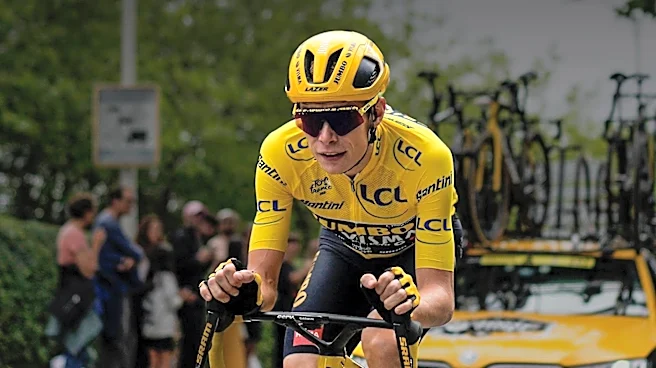
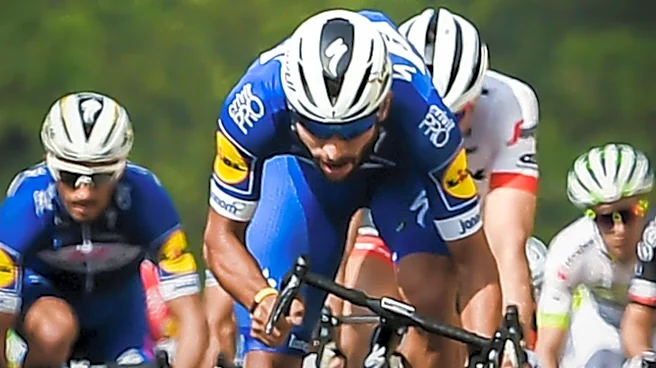
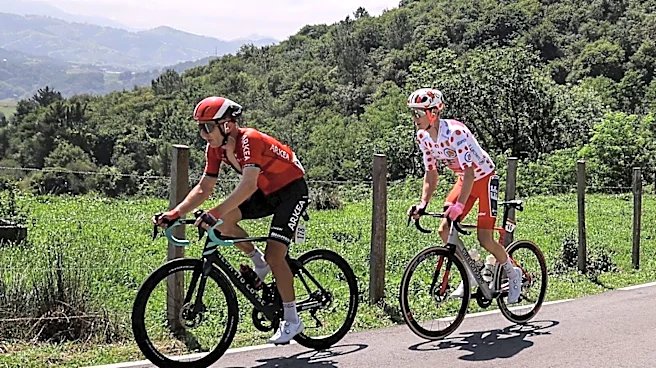
The Tour de France concluded with an exhilarating final weekend, featuring stages on Alpe d'Huez and a climactic finish in Paris. The event drew massive crowds, with fans lining the iconic 21 switchbacks of Alpe d'Huez and the cobbled streets of Montmartre.
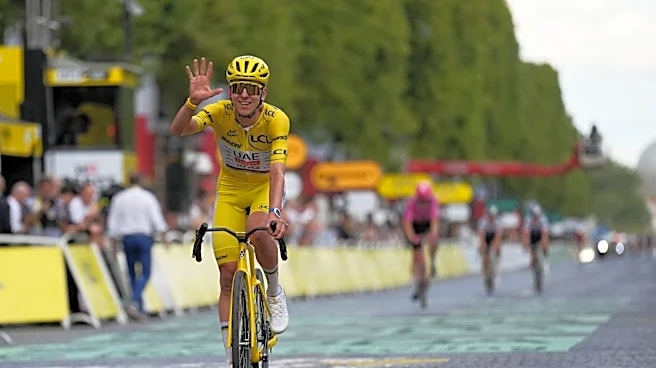
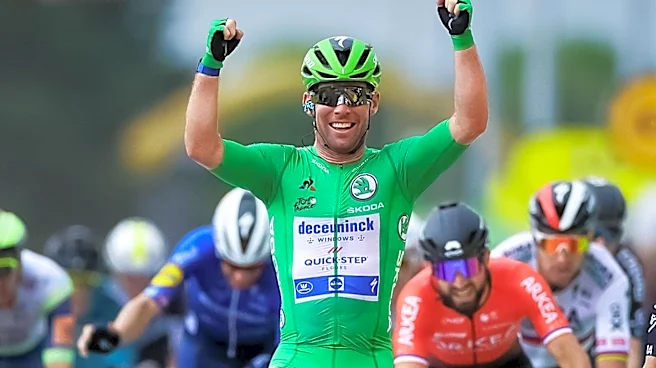
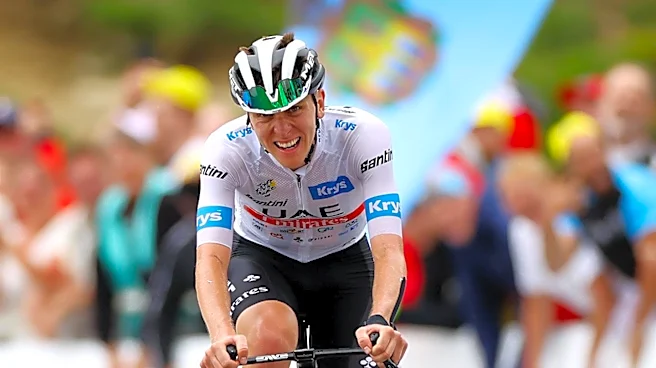
Cyclists like Tadej Pogačar broke records, adding to the excitement. The final stage in Paris, traditionally a ceremonial affair, was transformed into a competitive spectacle, with Mathieu van der Poel securing victory on the Champs-Élysées.
Why It's Important?
The Tour de France remains one of the most prestigious events in cycling, showcasing the sport's endurance and strategy. This year's thrilling conclusion not only captivated fans but also highlighted the event's ability to adapt and maintain its appeal. The successful execution of the race amidst logistical challenges underscores the resilience of the sporting community and its significance in promoting cycling as a global sport.
What's Next?
The success of this year's Tour de France may influence future race formats, potentially incorporating more dynamic and challenging stages. Organizers might consider maintaining the competitive nature of the final stage in Paris to enhance viewer engagement. The event's popularity could also boost tourism and economic activity in host regions, encouraging further investment in cycling infrastructure and events.