








What's Happening?
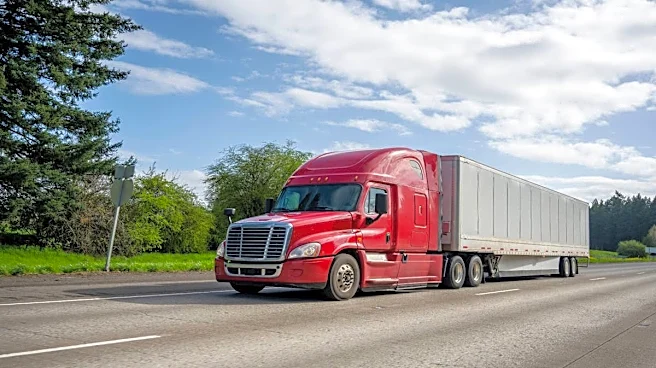
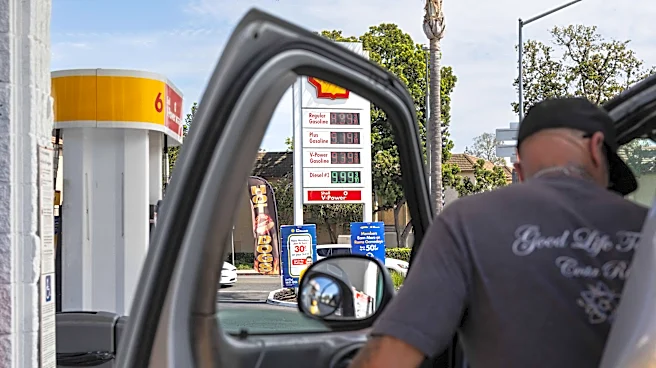
A significant spike in fuel costs is eroding the profit margins of U.S. freight carriers, impacting both large and small fleets. Retail diesel prices increased by approximately 31% from July 5 to September 17, while wholesale prices climbed at more than
double that rate. This disparity has narrowed the retail-wholesale fuel spread by about 48% over the same period. J.B. Hunt, a major carrier, issued a rare warning of a 5% to 10% earnings headwind in the third quarter, primarily due to rising fuel and driver costs. Large fleets typically negotiate fuel purchases at a discount to retail prices, often paying a premium over the wholesale 'rack' price. However, when wholesale prices rise faster than retail prices, the fuel surcharge, which is usually based on the slower-moving retail figure, does not fully cover the increased costs, leading to margin erosion. Smaller fleets, which often pay retail prices, face challenges in passing these higher costs through on the spot market, especially in a competitive environment.
Why It's Important?
The narrowing fuel spread and rising diesel costs have critical implications for the U.S. transportation sector and the broader economy. For large carriers like J.B. Hunt, whose rates are negotiated over longer terms, the sudden fuel price increases mean they are more exposed to operating-cost inflation, as their contracts were set before the recent market shift. This can lead to a 'giveback' in earnings, as seen in J.B. Hunt's Q3 warning. For smaller fleets, the situation is even more precarious. With retail diesel prices up roughly 24% over three months and spot rates down about 6%, their margins are significantly eroded, and there's no guarantee they can recoup these losses later. This margin compression can threaten the viability of smaller trucking businesses, which are crucial for regional and local supply chains. Ultimately, these increased costs for carriers can translate into higher shipping fees, contributing to inflationary pressures on consumer goods across the country.
What's Next?
The current trend suggests continued pressure on carrier margins, particularly if fuel prices remain volatile or continue to rise. Carriers will likely explore various strategies to mitigate these impacts. Larger fleets may seek to renegotiate contracts or adjust their fuel surcharge mechanisms to better reflect real-time wholesale price fluctuations. Smaller fleets, operating with less negotiating power, might face increased financial strain, potentially leading to consolidation within the industry or a reduction in available trucking capacity. The market's ability to absorb these added costs will be a key factor. If the competitive environment prevents carriers from fully passing on fuel expenses, their profitability will continue to suffer. Conversely, if demand remains strong, consumers may see further price increases for transported goods. The long-term stability of fuel costs and the effectiveness of carrier strategies in managing these expenses will determine the future landscape of the U.S. freight market.
Beyond the Headlines
This fuel cost spike underscores the inherent volatility and interconnectedness of global energy markets with domestic economic stability. The reliance of the U.S. supply chain on diesel-powered transportation means that fluctuations in fuel prices have a pervasive impact, extending far beyond the trucking industry to nearly every sector of the economy. The differing impacts on large versus small fleets highlight a structural vulnerability: smaller businesses, often the backbone of local economies, are disproportionately affected by sudden cost increases due to their limited purchasing power and contractual flexibility. This situation could accelerate the trend towards larger, more integrated logistics operations, potentially reducing competition and choice in the long run. Furthermore, it emphasizes the need for greater energy independence or diversification within the transportation sector to buffer against geopolitical events and commodity price swings, prompting discussions around alternative fuels and more efficient logistics models.