

What's Happening?
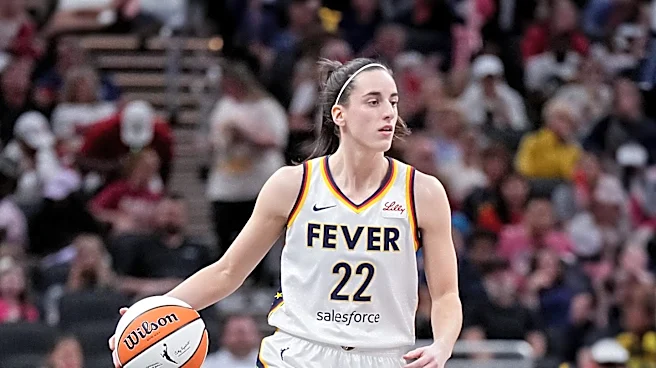
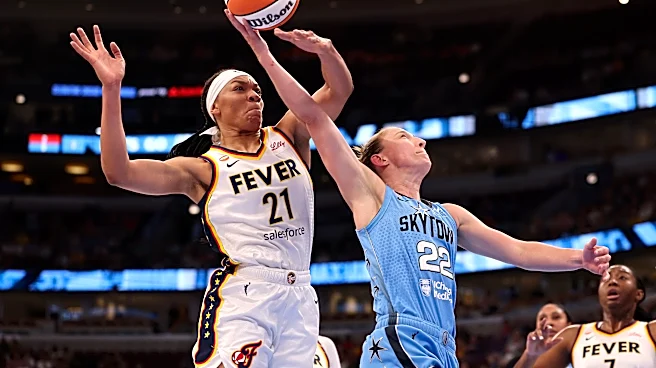
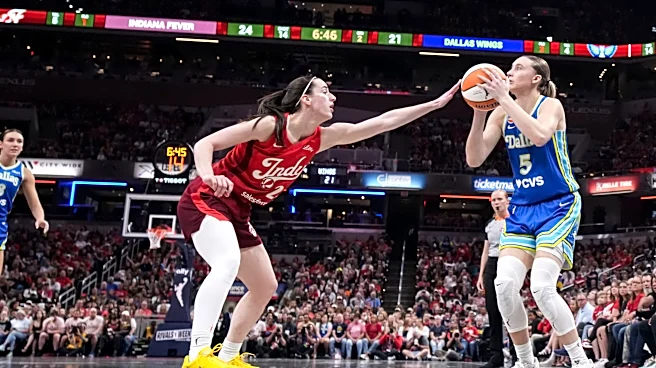
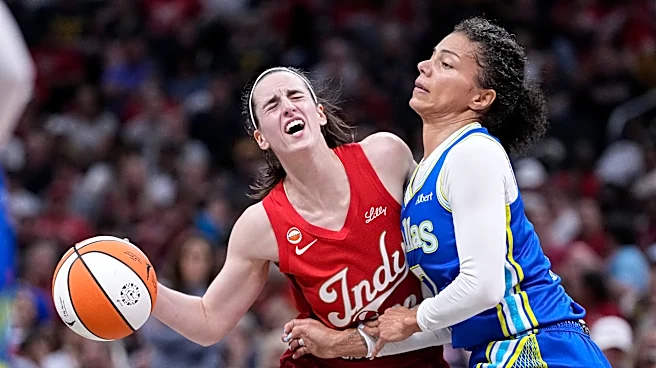
The WNBA has issued a statement clarifying that fans should be permitted to wear shirts with messages about transgender women participating in women's sports. This clarification follows an incident at a game between the Atlanta Dream and the Indiana Fever,
where WNBA security personnel asked at least three fans to cover shirts displaying such messages. Two fans wore shirts advocating for women's and girls' sports to be restricted to those assigned female at birth, while another wore a shirt supporting transgender people. The league acknowledged that these actions by security were incorrect and should not have occurred. The Atlanta Dream team stated that its personnel were not involved in the security decisions. The WNBA's collective bargaining agreement restricts participation to women but does not specify gender identity or sex assigned at birth, a topic that has been part of recent public debate.
Why It's Important?
This incident and the WNBA's subsequent clarification highlight the ongoing and sensitive debate surrounding transgender inclusion in women's sports within the U.S. The league's stance underscores its commitment to free expression for fans, even on contentious issues, while navigating the complexities of gender identity and athletic competition. The debate has significant implications for sports organizations, athletes, and fan communities, as it touches upon fairness, inclusion, and the definition of women's sports. The WNBA's response sets a precedent for how professional sports leagues address such issues, potentially influencing policies on fan conduct and expressions of opinion. It also brings to the forefront the differing viewpoints within the sports community, as evidenced by Indiana Fever player Sophie Cunningham's public opposition to transgender women competing in women's sports, which has led to protests.
What's Next?
The WNBA's clarification will likely lead to revised training and guidelines for security personnel at games to ensure consistent application of policies regarding fan expression. This incident may also prompt further discussions within the league and among other sports organizations about developing clearer, more comprehensive policies on gender identity and participation in sports, balancing inclusivity with competitive integrity. The ongoing public debate, fueled by athletes like Sophie Cunningham and various advocacy groups, is expected to continue, potentially influencing future collective bargaining agreements or league-wide regulations. Stakeholders, including fan groups, player associations, and LGBTQ+ organizations, will likely monitor how the WNBA and other sports bodies address these issues, potentially advocating for specific policy changes or greater clarity on these complex matters.
Beyond the Headlines
The WNBA incident transcends a simple security misstep, touching upon broader societal conversations about gender, identity, and public spaces. It underscores the challenge of balancing freedom of speech with creating inclusive environments, particularly in highly visible public forums like professional sports events. The differing messages on the fans' shirts reflect a deep ideological divide in society regarding transgender rights and the definition of gender in competitive contexts. This situation could prompt a deeper examination of how sports leagues, as cultural institutions, navigate evolving social norms and contribute to public discourse. It also highlights the ethical considerations involved in policing expression, especially when it pertains to identity politics, and the potential for such incidents to either foster dialogue or deepen divisions within fan bases and the wider community.